
Note: This article contains affiliate links. If you click on these links and make a purchase, we may earn a small commission at no extra cost to you. This helps support our research and content. Read our full affiliate disclosure here.
If you need a sewing machine that can handle tough fabrics yet still fit into a carry bag, a heavy-duty portable sewing machine is the practical choice. These machines are built to sew through denim, canvas, and multiple layers without sacrificing portability. In this guide we shortlist the top five options optimized for durability, stitch options, and ease of transport. Below you will find concise product summaries and scorecards based on real-world durability, user convenience, and functionality. Read on to compare features that matter for home repairs, craft projects, and on-the-go sewing.
Top Picks at a Glance
| Best Overall The best all-around choice for most situations | SINGER Heavy Duty 4452 |  |
| Best Quality Built to a higher standard if you want something more solid | Janome HD5000 Heavy-Duty Sewing Machine |  |
| Best Value The sweet spot between price and what you get | FEIYUE FYe350 Sewing Machine |  |
| Top Rated A top-rated pick with lots of positive feedback | JUKI TL-2010Q Portable Sewing Machine |  |
| Most Popular A crowd favorite that many people choose with confidence | SINGER Heavy Duty 4423 |  |
SINGER Heavy Duty 4452

| Built-in stitches | 32 |
|---|---|
| Stitch applications | 110 |
| Max stitches per minute | 1100 stitches/min |
| Included presser feet | 6 |
| Power source | Ac/Dc |
The SINGER Heavy Duty 4452 is a rugged mechanical sewing machine built for demanding home projects and thicker materials. It packs a stronger motor that pushes the needle through multiple layers at up to 1,100 stitches per minute and a full metal frame for stability, which makes it well suited for denim, canvas, upholstery, and frequent use. The machine offers 32 built-in stitches that translate into 110 stitch applications, plus a one-step buttonhole, top drop-in bobbin with clear cover, stainless steel bed plate, and a built-in needle threader for faster setup. Singer includes six presser feet, a walking foot and a non-stick foot that help with tricky fabrics like leather and vinyl, and the accessory kit is generous for quilting and repairs. Because it is a straightforward mechanical unit there are no digital stitch memories or touchscreen controls, and heavier machines can be louder and less portable than compact models. For buyers who want a durable, no-frills workhorse that handles heavy fabrics reliably, the 4452 delivers practical power and useful accessories.
Best for: Buyers who want a durable, workhorse sewing machine that reliably handles heavy fabrics, frequent projects, and basic quilting without needing digital bells and whistles.
Less Ideal for: Users who prioritize lightweight portability, touchscreen controls, or advanced computerized stitch programming should look elsewhere.
- Powerful motor and high sewing speed suitable for multiple fabric layers and heavy materials
- Full metal frame and stainless steel bed plate for durability and stitch stability
- Includes six presser feet including walking foot and non-stick foot for leather, vinyl, and quilting
- Top drop-in jam-proof bobbin with clear cover and built-in needle threader for easier setup
- Mechanical controls lack digital features like stitch memory or touchscreen customization
- Relatively heavy for a 'portable' machine, which can make frequent transport less convenient
Verdict: Choose the Singer 4452 when you need a rugged, high-speed heavy-duty machine that handles thick fabrics and multi-layer sewing reliably.
Janome HD5000 Heavy-Duty Sewing Machine

| Power Source | Corded Electric |
|---|---|
| Material | Metal, Plastic |
| Model Number | HD5000 |
The Janome HD5000 is a mechanically driven heavy-duty sewing machine that balances robust construction with simple controls, making it suitable for both beginners who want longevity and experienced users who need power for tough materials. It uses a solid aluminum frame, a five-piece feed dog system, and an extra-high presser foot lift to handle denim, canvas, layered seams, upholstery, and leather without frequent jams. Stitch selection is done with straightforward dials, stitch length and width are easy to set, and an automatic needle threader plus a responsive foot pedal let you control speed precisely up to about 860 stitches per minute. The machine also drops the feed dogs for free-motion quilting and includes seven accessory feet plus a hard cover and carrying handle for portability. Trade-offs are its mechanical-only interface, which lacks advanced electronic stitch programming or a display, and its nearly 19-pound weight that makes it portable but not ultra-light for frequent transport.
Best for: Buyers who need a durable, performance-focused machine that will handle thick fabrics and heavy use while still being simple enough for a beginner to learn on.
Less Ideal for: If you want a lightweight travel machine, a fully computerized model with extensive built-in stitches, or advanced automatic features, look elsewhere.
- Sturdy aluminum frame and 5-piece feed dog for reliable stitching through heavy fabrics
- Extra-high presser foot lift clears bulky seams and multiple layers
- Simple mechanical dials and automatic needle threader reduce the learning curve
- Drop-feed capability enables free-motion quilting and darning
- Includes a variety of presser feet and accessories plus a hard cover and carry handle
- No electronic stitch memory, touchscreen, or computerized stitch customization
- Heavier than compact travel machines, so not ideal for ultra-frequent trips
Verdict: Choose the Janome HD5000 when you want a portable but heavy-duty mechanical sewing machine that reliably handles thick fabrics and sustained use.
FEIYUE FYe350 Sewing Machine

| Power Source | Corded Electric |
|---|---|
| Input Voltage | 120 volts |
| Built-in Stitches | 23 |
The FEIYUE FYe350 is a compact, heavy-duty home sewing machine that pairs a metal interior frame with a 100W energy-saving servo motor to handle everything from lightweight hems to multiple layers of denim or canvas. It is designed for practical, everyday use and includes a drop-in bobbin, automatic needle threader, 1-step buttonhole, adjustable presser foot pressure, and a removable free arm for cuffs and sleeves. The servo motor provides high torque and ultra-low-speed control, while thread jam protection with a blinking light helps prevent motor damage. The machine ships with several presser feet, extra bobbins and needles, and a foot pedal, so it is ready to sew out of the box. Trade-offs are mostly about features found on higher-end computerized models: stitch selection is mechanical rather than touchscreen and there is no onboard LCD or stitch memory, but for users who prioritize dependable power and straightforward controls the FYe350 delivers a durable, energy-efficient option suitable for frequent use on heavier fabrics.
Best for: Buyers who want a reliable, energy-efficient machine that can handle frequent home sewing and heavier fabrics without the complexity of computerized models.
Less Ideal for: Sewers who need touchscreen controls, extensive stitch programming, or the lightest possible travel machine should consider other options.
- Energy-saving servo motor with high torque for smooth low-speed sewing and better power efficiency
- Heavy-duty interior metal frame that improves stability when sewing thick or layered fabrics
- Practical features for beginners and everyday users including automatic needle threader, drop-in bobbin, and 1-step buttonhole
- Removable free arm and adjustable presser foot pressure for sewing sleeves, cuffs, and varied fabric thicknesses
- No digital display or stitch memory found, so advanced customization and quick pattern recall are limited
- Heavier and bulkier than ultra-compact portable machines due to metal frame and included accessories
Verdict: Choose the FYe350 if you need a portable, heavy-duty home machine with a high-torque, energy-saving servo motor built to handle thick fabrics reliably.
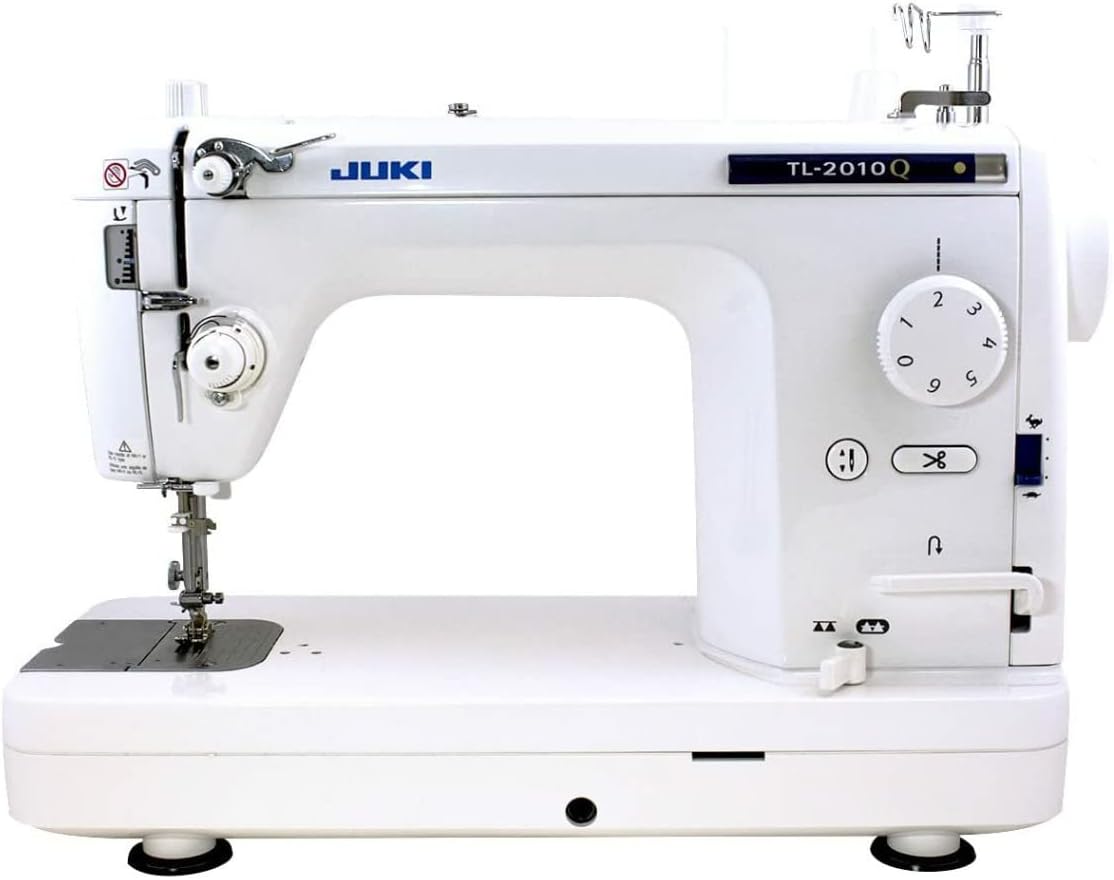
JUKI TL-2010Q Portable Sewing Machine
| Power Source | Treadle Powered |
|---|---|
| Material | Aluminum |
| Model Number | MO-735 |
The JUKI TL-2010Q is a heavy-duty, single-needle lockstitch machine built for straight stitching, quilting, and tailoring tasks where reliability matters. It is designed as a portable tabletop unit with a built-in carrying handle and an included sewing area extension, and it can also be mounted into cabinets or used on quilting frames. Notable features that support demanding use are the automatic thread trimmer that trims needle and bobbin threads at the push of a button, a knee lifter that raises the presser foot up to 12 mm for handling thick layers, and an automatic needle threader to speed setup. In practice the machine delivers steady, fast stitching and handles light to heavyweight materials without frequent adjustments, which is why it is commonly chosen by quilters and small-business sewists. Trade-offs include the machine's weight and size for some users and the absence of multi-needle or decorative stitch options if you need more stitch variety; it is focused on straight stitching and robust performance rather than decorative features.
Best for: Buyers who prioritize a reliable, high-performance machine for quilting, tailoring, or heavy fabric work and want a portable unit that can be used on a table or mounted to a frame.
Less Ideal for: Those seeking a lightweight travel machine, a model with many decorative stitch options, or a computerized multi-stitch appliance should look elsewhere.
- Built for heavy use with stable, high-performance lockstitching suitable for quilting and tailoring
- Automatic thread trimmer speeds finishing by trimming needle and bobbin threads with one button
- Knee lifter raises presser foot up to 12 mm to feed thick or multiple layers easily
- Automatic needle threader reduces setup time and eye strain
- Portable tabletop design with carrying handle and included extension table for larger projects
- Focused on straight lockstitching so it lacks built-in decorative stitch patterns
- Relatively heavy compared with lightweight domestic machines, which limits hand-carry portability
- No explicit mention of electric power variants or advanced computerized stitch programming
Verdict: Choose the JUKI TL-2010Q when you need a durable, high-performance portable machine that reliably handles quilting and heavy fabric work.
SINGER Heavy Duty 4423

| Built-in stitches | 23 (97 applications) |
|---|---|
| Max sewing speed | 1,100 stitches/min |
| Power source | Corded Electric |
| Input voltage | 120 volts |
The SINGER Heavy Duty 4423 is a mechanically driven sewing machine built to handle heavy fabrics and everyday sewing tasks. It uses a stronger motor and high-speed capability (up to 1,100 stitches per minute) so you can finish seams and projects faster, and the metal interior frame plus stainless steel bed plate help keep fabric feeding stable when sewing denim, canvas, or multiple layers. The machine includes 23 built-in stitches that translate into 97 stitch applications, a top drop-in bobbin for easy thread visibility, an automatic needle threader to speed setup, and LED lighting to illuminate the work area. Four common presser feet and a set of accessories are included for basic garment and home-decor work. Limitations to note: it is a mechanical, non-computerized unit so stitch selection and fine adjustments are manual, and the machine is somewhat heavy to move frequently despite being sold as portable. For buyers wanting a rugged, straightforward workhorse, the 4423 delivers reliable capacity without advanced computerized features.
Best for: Buyers who want a dependable, no-frills workhorse for sewing heavy fabrics, mending, and frequent multi-project home use and who value proven performance backed by many user reviews.
Less Ideal for: If you want a lightweight travel machine or need digital stitch customization and touchscreen controls, this mechanically focused model is not the best match.
- Robust motor and metal interior frame for sewing thick fabrics and multiple layers
- High maximum speed (1,100 stitches per minute) that speeds project completion
- Top drop-in bobbin and automatic needle threader simplify threading and monitoring thread
- Includes essential presser feet and accessories to start sewing right away
- Mechanical controls lack computerized stitch programming and fine automated adjustments
- Heavier than lightweight portable machines, so less convenient to carry frequently
Verdict: Choose the Singer 4423 when you need a tough, high-speed mechanical sewing machine that reliably handles thick fabrics and heavy use.
Choosing the Right Heavy-Duty Portable Sewing Machine: Key Factors to Consider
Chassis and Frame Construction
A reinforced frame or partial metal chassis improves stability and reduces vibration when sewing dense fabrics. That solid foundation helps maintain even stitch length and prevents component stress during prolonged use.
Look for machines that specify metal gears or a metal needle bar, since plastic-only internals are more likely to wear or strip under heavy loads. A sturdier chassis also usually means the machine will stay better aligned for precise seams over time.
Motor Power and Duty Cycle
Motor power determines how easily a machine will drive needles through multiple fabric layers. Higher torque motors handle denim, canvas, and upholstery fabrics more reliably and with less stalling.
Also consider the motor duty cycle for frequent use. Machines intended for occasional mending can have less robust motors than those built for daily heavy sewing. If you plan extended sewing sessions or lots of thick-material work, favor stronger, consistently responsive motors.
Feed Mechanism and Presser Foot Options
A reliable feed system prevents skipped stitches and fabric slippage, especially with slippery or thick materials. Look for sturdy feed dogs and a presser foot that applies even pressure to hold multiple layers flat.
Adjustable presser-foot pressure or specialized feet for heavy fabrics and walking feet are valuable for consistent stitching. A free-arm or drop-feed capability expands the machine's usefulness for cuffs, pant legs, and tubular items.
Stitch Selection and Adjustability
Even for heavy-duty tasks, a useful range of stitches and precise adjustability matter. Basic straight and zigzag stitches are essential, but being able to fine-tune stitch length and width improves seam strength and appearance.
Some projects benefit from a reverse stitch for reinforcement, stretch options for knits, and a buttonhole function for garment work. Ensure stitch controls are clear and hold settings reliably under load.
Portability and Ergonomics
Portability is more than weight. Consider overall dimensions, handle design, and whether the machine fits common carrying cases or storage cubbies. A slightly heavier machine with a compact footprint and a secure handle can be easier to transport than a lighter, awkwardly shaped unit.
Ergonomics like fingertip-accessible controls, a well-lit work area, and an intuitive bobbin system reduce setup time and frustration while you are mobile or working in tight spaces.
Maintenance Accessibility and Parts Support
Regular maintenance extends service life. Machines that allow easy access to the bobbin, feed dogs, and presser-foot area simplify cleaning and lint removal. Removable plates and a clear maintenance path reduce downtime.
Consider how easy it will be to replace needles, presser feet, and common wear parts. Machines designed with standard-size bobbins and widely available accessories tend to be easier to keep running long-term.
How Heavy-Duty Portable Machines Differ From Regular Home Machines
Heavy-duty portable machines combine reinforced mechanical components with a smaller, transportable housing. Unlike full-size industrial or cabinet machines, they are intended for home users who need extra strength without sacrificing the ability to move the machine between rooms or job sites.
- Heavier internal components for durability
- Compact exterior for transport and storage
- Feature sets focused on stitch strength and fabric handling
Common Use Cases and Who Should Buy One
These machines are ideal for hobbyists who frequently sew thick fabrics, home sewers repairing workwear, small-scale makers working on canvas or leather accents, and anyone who needs a machine that can travel to classes or client locations. They are not necessary if you only sew lightweight fabrics occasionally.
- Frequent denim and canvas repairs
- Mobile sewing for classes or alterations
- Small upholstery or bag projects requiring multiple layers
Setting Up Your Machine for Heavy Fabrics
Use a heavy-duty needle appropriate to the material thickness and select a robust thread to match. Increase presser-foot pressure if the machine allows it and shorten stitch length slightly when sewing through multiple layers to reduce bulk at the seam. Test settings on scrap material before sewing the final piece. A consistent, slower sewing speed often improves stitch quality when feeding dense fabrics to avoid skipped stitches and motor strain.
- Choose appropriate needle size and type
- Adjust presser-foot pressure for firm grip
- Test on scrap layers before starting the project
Transporting and Storing Portable Sewing Machines
Protect the machine during transport by securing the presser foot and needle in a low or removed position, and use a padded case or cover to prevent damage. If carrying in a vehicle, place it on a flat, non-slip surface and avoid stacking heavy items on top. For storage, keep the machine in a dry area away from dust and extreme temperatures. Periodically run the machine and clean lint and thread from the bobbin area to keep internal parts from seizing.
- Secure needle and presser foot for transit
- Use padded carrying cases or covers
- Store in a dry, dust-free location
Accessories That Extend Capability
Practical accessories include a set of heavy-duty needles, a walking foot for layered fabrics, extra presser feet for zipper and buttonhole work, and a spare bobbin set. An LED task light can be a simple but meaningful upgrade for precision work. Carrying or storage organizers for feet and small parts help avoid lost accessories during travel. A compact oil bottle and small brush make on-the-go maintenance straightforward.
- Heavy-duty needle set
- Walking foot for layered sewing
- Spare bobbins and presser feet
- LED task light and small maintenance kit
How We Chose the Best Heavy-Duty Portable Sewing Machine
Our selection focused on machines that deliver a balance of build strength, portable design, and practical features for regular home and mobile sewing. We prioritized units with metal or reinforced chassis components, proven feeding systems, and motors rated to handle dense fabrics without excessive strain. Portability factors included weight, form factor, and whether the unit supports a carrying handle or compact case. We evaluated functional features that affect daily use: stitch selection variety, maximum stitch length and width, drop-feed or free-arm capability, and compatibility with common heavy fabrics. Usability aspects such as presser-foot options, needle size range, bobbin type, and straightforward threading were also critical. Power options and motor responsiveness were checked for consistent stitching under load. Items excluded from consideration were lightweight hobby machines without reinforced components, purely decorative mini units not designed for multiple fabric layers, and models lacking basic heavy-fabric features. Our goal was to surface reliable, serviceable machines suited to demanding home and mobile use.
Our full evaluation process is outlined in our review methodology.
FAQ
What needle type works best for heavy fabrics?
Heavy fabrics typically require a larger, stronger needle such as a denim or leather needle. Choose the needle size according to material thickness and always test on scrap to avoid skipped stitches or needle breakage.
Can I sew leather with a heavy-duty portable machine?
Many heavy-duty portable machines can handle thin to medium-weight leather if fitted with the correct leather needle and a strong thread. Extremely thick leather may still require specialized equipment, so test on scraps first.
How should I maintain a portable heavy-duty machine?
Regularly clean lint and debris from the bobbin area and feed dogs, oil moving parts per the manual, and replace needles often when working with abrasive fabrics. Routine checks of belts and tension will help prevent performance issues.
Is a walking foot necessary for layered fabrics?
A walking foot is helpful when sewing multiple layers or slippery materials because it helps feed all layers evenly. It is not strictly required for every project, but it improves consistency on challenging fabric combinations.
How do I prevent skipped stitches on thick seams?
Use the appropriate needle and thread, increase presser-foot pressure if available, shorten stitch length slightly, and sew at a steady, moderate speed. Also ensure the feed dogs are clean and the machine is properly threaded.
Final Verdict
Prioritize a solid chassis, a motor with enough torque for dense materials, and a dependable feed mechanism when choosing a heavy-duty portable sewing machine. Portability features such as weight, handle design, and case compatibility will influence how often you actually move the unit, so balance transport needs against construction robustness. Decide which tradeoffs matter most for your projects: extra weight often means greater durability, while lighter models offer easier transport. Focus on the specific fabric types and sewing frequency you expect, and choose a machine whose features align with those demands for the most reliable performance.