
Note: This article contains affiliate links. If you click on these links and make a purchase, we may earn a small commission at no extra cost to you. This helps support our research and content. Read our full affiliate disclosure here.
If you make quilts regularly, the right heavy-duty sewing machine can save time and improve stitch consistency across multiple fabric layers and batting. You need a machine that feeds smoothly, maintains even tension through thick seams, and offers reliable stitch control for both piecing and longarm alternatives. This guide shortlists the top machines built for quilting tasks and evaluates them on the features quilters care about most: motor power, stitch quality, feeding capability, and durability. Read on for a concise overview of our top picks and the criteria we used to evaluate them.
Top Picks at a Glance
| Best Overall The best all-around choice for most situations | Juki HZL-F600 Sewing Machine |  |
| Best Quality Built to a higher standard if you want something more solid | Janome Continental M6 |  |
| Best Value The sweet spot between price and what you get | Brother ST150HDH Strong & Tough |  |
| Best Budget The cheapest option that still gets the job done reliably | SINGER Heavy Duty 4411 |  |
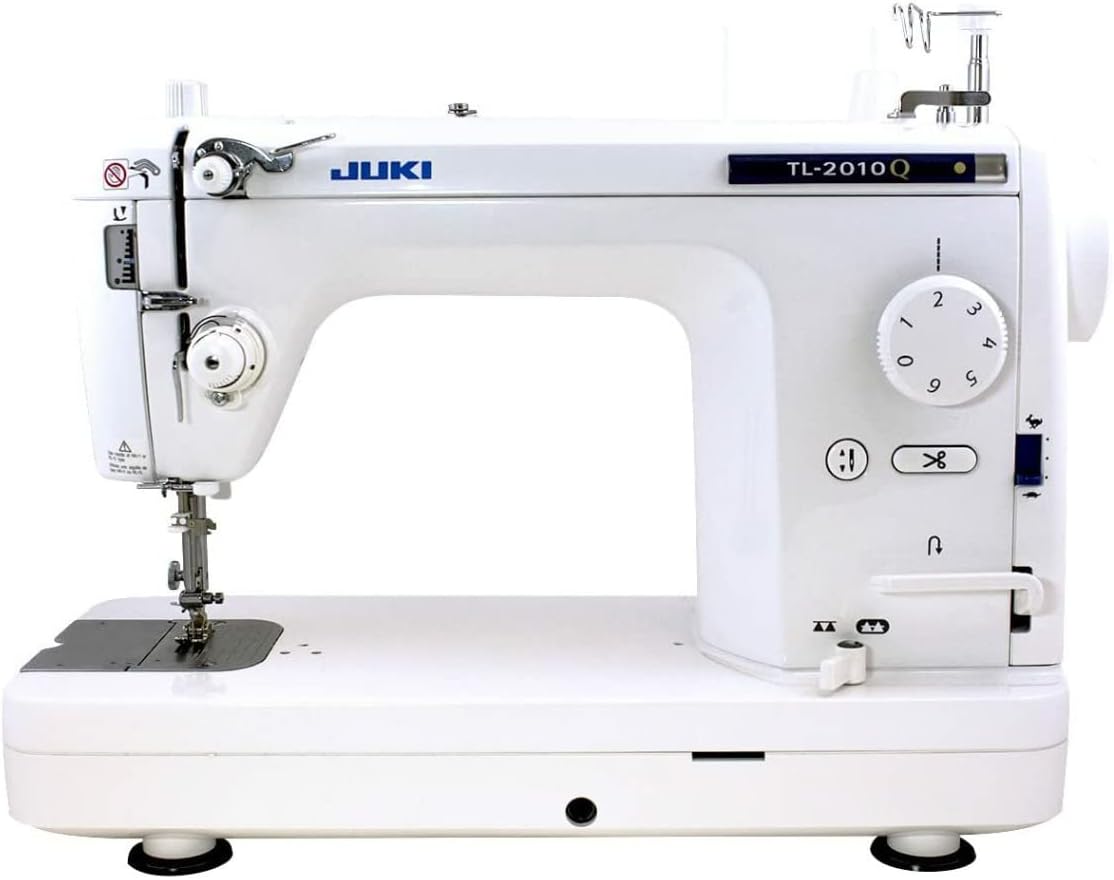
| Top Rated A top-rated pick with lots of positive feedback | JUKI TL-2010Q Sewing Machine |  |
| Most Popular A crowd favorite that many people choose with confidence | SINGER Heavy Duty 4423 |  |
| Best Seller A high-volume bestseller chosen again and again | VEVOR Industrial Lockstitch JK9808T |  |
Juki HZL-F600 Sewing Machine

| Power Source | AC |
|---|---|
| Material | Metal |
| Built-in Stitches | 255 |
The Juki HZL-F600 is a sturdy computerized sewing and quilting machine aimed at hobbyists and serious home quilters who want a wide stitch library and reliable performance. It offers 255 built-in stitches including utility, stretch, decorative, lettering, and buttonhole options, selectable via an intuitive LCD and stitch selector switch, so switching between piecing, decorative quilting, and finishing tasks is straightforward. The automatic needle threader and jam-resistant features reduce setup frustration, and the included accessory tray and dust cover keep tools organized. Because the machine is metal-bodied and powered by AC, it feels durable and steady while handling multiple fabric layers. Limitations to consider are its relatively heavy weight for moving between rooms and the lack of explicit advanced quilting feet or a large flatbed/table in the box, so serious longarm or large-bulk quilting projects may require additional accessories or setup adjustments.
Best for: Quilters who want a durable, feature-rich home machine that handles a wide range of stitches and everyday quilting projects without needing a commercial setup.
Less Ideal for: People who need a lightweight portable machine for classes or frequent travel, or professionals who require a dedicated longarm machine for very large quilts.
- Large library of 255 built-in stitches covering utility, decorative, stretch, lettering, and buttonholes
- Intuitive LCD stitch selector makes choosing and changing stitches quick and easy
- Automatic needle threader reduces eye strain and speeds setup
- Metal construction and AC power provide a stable, durable platform for quilting tasks
- Accessory tray and included dust cover keep supplies organized and protected
- Heavy unit weight makes it less convenient to move or transport
- No large extension table or specialized longarm quilting accessories included
Verdict: A solid, metal-bodied computerized machine with a huge stitch library and handy features that makes it a dependable choice for home quilters seeking versatility and durability.
Janome Continental M6

| Built-in stitches | 400 |
|---|---|
| Workspace right of needle | 13.7" |
| Maximum speed | 1,300 stitches per minute |
| Touchscreen | 7" color LCD |
| Power source | ac_dc |
The Janome Continental M6 is a heavyweight quilting machine built for large projects and high-volume stitching. It offers a roomy 13.7" workspace to the right of the needle and a seamless flatbed that helps bulky quilts and layers move smoothly. A brushless motor capable of up to 1,300 stitches per minute and a heavy cast-aluminum frame deliver steady high-speed sewing with minimal vibration. The 7" color touchscreen organizes 400 built-in stitches, five alphabets, and the Sewing Applications system that recommends stitches and feet so you can jump into complex techniques faster. Practical automation such as an optical bobbin sensor, automatic thread cutter, automatic presser-foot lift, and independent bobbin winding reduces interruptions during long seams. Quilters will also appreciate ruler work mode, superior needle threader, and a full-intensity LED lighting system. The machine is clearly aimed at serious makers, so it is large and substantial and includes many specialized feet and accessories rather than being a compact beginner model.
Best for: Quilters and sewists who prioritize speed, precision, and a large work area for ambitious or layered projects and who want automated features that streamline long seams and complex techniques.
Less Ideal for: Casual hobbyists or users with very limited workspace who need a compact, lightweight machine for occasional mending or simple garments.
- Large 13.7" workspace and seamless flatbed ideal for quilts and bulky projects
- Powerful brushless motor with up to 1,300 SPM for fast, consistent stitching
- 7" color touchscreen with 400 built-in stitches and Sewing Applications guidance
- Advanced automation: optical bobbin monitoring, automatic thread cutter, and presser-foot lift
- Full-intensity LED lighting and included assortment of specialized feet and accessories
- Heavy and sizable machine may be difficult to move or fit small workspaces
- Designed for experienced or committed sewists, which may overwhelm casual users
Verdict: Buy this if you need a heavy-duty, high-speed quilting machine with a large workspace and advanced automation to handle big, demanding projects.
Brother ST150HDH Strong & Tough

| Built-in stitches | 50 |
|---|---|
| Buttonhole styles | 5 one-step auto-size |
| Feed dogs | 7-point box feed design |
| Power source | Corded Electric (120 volts) |
The Brother ST150HDH Strong & Tough is a mid‑range, computerized sewing machine built around a metal interior frame that improves stability for heavier work. It offers 50 built‑in stitches, five auto-size buttonhole styles, an advanced automatic needle threader, a drop‑in bobbin and an LCD that displays stitch selection and settings, making setup and adjustments straightforward. Practical heavy‑fabric features include longer 7‑point feed dogs, a walking foot, a metal needle plate and heavy‑duty needles so the machine feeds multiple layers of denim, canvas or upholstery more reliably. Variable speed control, start/stop and needle up/down buttons help with precision when quilting bulky seams or pivoting corners. The package includes nine presser feet for common tasks and a free arm for sleeves and cylindrical pieces. Limitations are typical for its class: it is corded 120V only and at about 10 pounds it is not the lightest portable option, and advanced users seeking industrial speed or a larger throat space for very large quilts may look to higher-end models. For home quilters who need a dependable, sturdy machine that tackles thick layers, this is a solid practical choice.
Best for: Buyers who prioritize a durable, no‑nonsense home machine that can sew multiple layers and assorted fabric types for quilting and heavy‑duty home projects.
Less Ideal for: Sewers who need industrial speeds, expanded throat space for large quilt quilts, or a lightweight travel machine should consider other models.
- Metal interior frame and metal needle plate for improved stability when sewing thick or layered materials
- 7-point feed dog system plus walking foot for smoother, more secure feeding of heavy fabrics
- 50 built-in stitches and 5 auto-size buttonhole styles for quilting, utility, and decorative work
- Advanced needle threader, drop-in bobbin, and LCD make setup and stitch selection easier
- Includes nine presser feet covering common quilting and sewing tasks
- Throat space is modest for very large quilt projects compared with long‑arm or high‑capacity machines
- 120V corded power limits international use without a converter
Verdict: A robust, user-friendly heavy‑duty sewing machine that reliably handles thick quilt layers and varied fabrics for practical home quilters.
SINGER Heavy Duty 4411

| Stitch applications | 69 |
|---|---|
| Max stitch speed | 1,100 stitches per minute |
| Power source | Corded Electric |
| Frame | Full metal interior frame |
The SINGER Heavy Duty 4411 is a straightforward mechanical sewing machine built to power through tough fabrics like denim and canvas while still handling lightweight materials when adjusted. It offers up to 1,100 stitches per minute and 69 stitch applications, so you can do basic seams, stretch stitches, and decorative work for quilting and home sewing projects. The full metal interior frame and stainless steel bed plate help reduce skipping and improve fabric feed for multi-layered seams, and the top drop-in bobbin with clear cover makes thread monitoring simple during long quilting pieces. Included accessories such as four presser feet, bobbins, needles, and a seam ripper cover common starter needs. Trade-offs are the machine's basic mechanical controls with no computerized stitch memory or automatic tension, so dialing in specialty quilting stitches may take practice, and there are fewer built-in presser feet than some specialized quilting machines. For quilters on a budget who need a reliable, high-speed workhorse, the 4411 covers the essentials without extra frills.
Best for: Quilters shopping on a budget who need a durable, high-speed mechanical machine for piecing, patchwork, and sewing multiple fabric layers without paying for computerized extras.
Less Ideal for: Users who want advanced computerized features, built-in quilting stitches, or a large selection of specialty feet should consider a dedicated quilting machine instead.
- Powerful motor with high stitching speed for faster project completion
- Full metal interior frame and stainless steel bed plate for durable, skip-free sewing
- Top drop-in bobbin with transparent cover simplifies thread monitoring
- Includes essential presser feet and accessories to get started
- Mechanical controls lack computerized features like stitch memory or automatic tension
- Fewer specialty presser feet and quilting-specific conveniences compared with dedicated quilting machines
Verdict: A no-frills heavy-duty machine that delivers speed and durability for budget-minded quilters who need a reliable workhorse.
JUKI TL-2010Q Sewing Machine
| Power Source | Treadle Powered |
|---|---|
| Material | Aluminum |
The JUKI TL-2010Q is built for serious sewing and quilting, delivering a straight single-needle lockstitch with a powerful, reliable motor that handles both lightweight and heavier quilting layers. It is typically used as a tabletop machine or mounted into a cabinet and includes a generous throat area and a removable extension table for larger projects. Practical features that speed work include an automatic thread trimmer that cuts needle and bobbin threads with one button, a knee lifter to raise the presser foot hands-free, and an automatic needle threader to reduce setup time and eye strain. The machine is designed to be portable with a built-in handle while still offering the stability and stitch quality quilters expect. Limitations to consider are the focus on straight stitching only, so users needing built-in decorative stitches or zigzag capability will need a different model, and the machine's professional performance comes with a learning curve for new sewers.
Best for: Quilters and sewists who prioritize a durable, factory-quality straight-stitch machine that consistently handles multi-layer quilts and heavy fabrics without compromise.
Less Ideal for: Those who need built-in decorative stitches, zigzag capability, or a very simple beginner machine with minimal features should consider other models.
- Automatic thread trimmer cuts needle and bobbin threads with one button
- Knee lifter raises presser foot hands-free for easier fabric handling
- Automatic needle threader reduces setup time and eye strain
- Sturdy, high-performance single-needle lockstitch suitable for heavy quilting layers
- Portable tabletop design with removable extension table for large projects
- Limited to straight lockstitch only, no built-in zigzag or decorative stitches
- Professional features may be more than casual sewers need and require learning
Verdict: Choose the TL-2010Q when you need a reliable, heavy-duty straight-stitch machine that excels at quilting and repetitive production sewing.
SINGER Heavy Duty 4423

| Built-in stitches | 23 |
|---|---|
| Stitch applications | 97 |
| Stitch speed | 1,100 stitches/min |
| Power source | ac_dc |
The SINGER Heavy Duty 4423 is a high-speed mechanical sewing machine built to handle demanding home projects and quilting layers. It delivers up to 1,100 stitches per minute and claims 50% more power than standard machines, which helps when stitching through denim, canvas, or multiple quilt layers. The machine includes 23 built-in stitches covering basic, stretch, and decorative needs plus a one-step buttonhole, and a top drop-in bobbin with a clear cover for quick thread checks. Practical touches like an automatic needle threader, adjustable presser foot pressure, extra-high presser foot lift, stainless-steel bed plate, and a metal interior frame improve fabric feed and reduce skipped stitches. The built-in LED light and free arm make detailed work easier. Limitations to note: it is a mechanical machine so stitch selection is manual rather than computerized, and while fast and powerful it is relatively heavy to move. For quilters the strong motor and high presser-foot lift are useful, but you should allow time to learn tension and presser settings for precision on delicate layers.
Best for: Quilters who prioritize reliable power and sturdy construction for sewing multiple layers and heavy fabrics and who value proven performance backed by broad user feedback.
Less Ideal for: Users seeking a lightweight, portable or fully computerized machine with automated stitch selection and advanced programmable features should consider other options.
- Powerful motor reaching 1,100 stitches per minute for faster sewing
- Heavy-duty interior metal frame and stainless-steel bed plate for stable, skip-free stitching
- Adjustable presser foot pressure and extra-high presser foot lift for handling multiple quilt layers
- Top drop-in bobbin with clear cover and automatic needle threader for easier setup and monitoring
- Mechanical controls require manual adjustment rather than automated stitch programming
- Relatively heavy, making it less convenient to move between workstations
Verdict: Choose the 4423 if you need a rugged, high-speed machine that reliably powers through quilt layers and heavy fabrics.
VEVOR Industrial Lockstitch JK9808T

| Power | 550W servo motor |
|---|---|
| Stitch speed | Up to 5000 SPM |
| Max material layers | Up to 10 layers of denim |
| Noise level | ≤80 dB |
| Power source | AC |
This VEVOR industrial lockstitch machine is built for heavy sewing tasks and comes mounted on an adjustable table with storage and an LED light. Driven by a 550W servo motor it claims up to 5000 stitches per minute and is rated to handle up to 10 layers of denim, making it suitable for dense quilts, canvas, and leather work. The LCD display and soft‑start let you set needle up/down position and speed precisely, while a knee lifter, manual presser lift, one‑touch reverse, and automatic thread trimmer speed common operations. The metal body, automatic lubrication, and oil window support continuous use, and the manufacturer lists noise at 80 dB or less for a quieter shop environment. Expect a large, heavier package and a dedicated workspace requirement due to the included table and industrial footprint, and setup may require some mechanical adjustment to dial in tension and feed for quilting fabrics. For sewists who want a robust, production‑capable lockstitch for thick materials, this machine covers the essentials; hobbyists expecting a plug‑and‑play domestic unit may find it more involved to install and tune.
Best for: Quilters and small production sewers who prioritize a rugged, production‑style lockstitch that can handle dense layers and long runs with factory‑style features and durability.
Less Ideal for: Casual hobbyists who want a lightweight, ready‑to‑use domestic machine or users who lack space for a dedicated industrial table and setup.
- High speed up to 5000 SPM for fast production sewing
- Metal frame with automatic lubrication for durability in continuous use
- LCD controls and soft start for precise speed and needle position adjustments
- Features that aid workflow: knee lifter, one‑touch reverse, and auto thread trimmer
- Widened worktable, LED light, and storage drawer for convenient large‑project handling
- Large and heavy setup requires a dedicated workspace and assembly
- May need mechanical tuning for optimal stitch quality on quilting fabrics
Verdict: Choose this machine if you need a heavy‑duty, production‑capable lockstitch that can handle thick quilts and long sewing runs with factory‑style controls.
Choosing the Right Heavy-Duty Sewing Machine for Quilting: Key Factors to Consider
Motor Power and Torque
Motor strength determines how easily a machine will sew through multiple fabric layers and dense batting without bogging down. Quilting often requires sustained stitching through seams where several layers overlap, and a motor with higher torque maintains stitch formation and feed consistency under load.
Consider machines with clear motor power ratings and, if available, variable-speed control that lets you limit top speed while keeping torque. A bit of extra torque reduces the chance of skipped stitches and broken needles when you work with thick sections like quilt bindings or multiple patchwork seams.
Feed Mechanism and Throat Space
How fabric is moved through the machine matters as much as the needle and motor. A strong, precise feed system avoids shifting layers, puckering, or uneven stitch length when working with bulky quilts. Larger throat space gives you more room to maneuver quilt tops and backings, making it easier to stitch larger projects or use drop-in extension tables.
Look for machines with walking foot compatibility, adjustable feed dogs, or specialized quilting feet. Extra throat space reduces the need to bunch and refold large pieces during piecing or quilting, improving accuracy and reducing fatigue over long sessions.
Stitch Quality and Consistency
Even, reliable stitch formation is essential for quilt durability and appearance. A machine should produce consistent stitch length and tension whether you stitch slowly or at a moderate pace. Some machines offer stitch length and width controls that let you fine-tune settings for piecing, quilting, and decorative work.
Pay attention to tension mechanisms that are easy to adjust and hold steady. Machines that deliver uniform stitches through seams and across differing fabric weights make finishing and long-term quilt stability much easier.
Durability and Construction
Quilting can be a heavy-use activity, so the machine's internal frame and external build materials affect how well it stands up over time. Metal frames and higher-quality internal components reduce vibration and maintain alignment, which preserves stitch quality and reduces maintenance needs.
Check for serviceability, availability of replacement parts, and warranty coverage. Machines built with durable materials and easily replaceable wear items will cost less in downtime and repairs over years of frequent quilting.
Presser Foot Options and Pressure Control
Different quilting tasks require different presser feet and the ability to adjust foot pressure. A walking foot or dual feed system helps manage layer shifting, while adjustable foot pressure lets you fine-tune how firmly the fabric is held, which is useful when transitioning between light piecing fabric and thicker batting areas.
A range of compatible feet such as quilting, walking, free-motion, and even a narrow foot for bindings expands the machine's versatility. Easy attachment and reliable pressure adjustment contribute directly to smoother quilting workflow.
Essential Accessories for Quilting
Beyond the machine itself, certain accessories make quilting easier and more precise. An extension table supports larger quilt tops and reduces drag so you can maintain even stitches across wide areas. A good walking foot or even a specialized dual-feed foot helps keep layers moving uniformly.
Other useful accessories include a clear quilting foot for visibility when piecing, a darning or free-motion foot for creative quilting, and spool caps or thread guides designed for heavier threads. Investing in quality needles and a reliable set of bobbins tailored to your machine ensures consistent tension and fewer interruptions.
- Extension table to support large quilt pieces
- Walking foot or dual-feed foot for even layer feeding
- Free-motion/darning foot for quilting designs
- High-quality quilting needles and bobbins
Thread and Needle Choices for Layered Work
Thread weight and needle type directly affect stitch appearance and machine performance. Use stronger threads intended for quilting or topstitching when working through multiple layers, and match needle size to the thread and fabric. A heavier thread with an appropriately sized needle reduces the chance of thread breakage and improves stitch definition on the quilt top.
Switch needles frequently when working on dense seams. Microtex or quilting-specific needles often give cleaner penetration through batting and multiple fabric layers. Test stitch on scrap layers before sewing the actual quilt to dial in tension and stitch length.
- Use quilting or topstitch thread for layered stitching
- Match needle size to thread weight and fabric stack
- Test on scrap sandwich to set tension and stitch length
Machine Maintenance for Heavy Quilting Use
Regular maintenance keeps a heavy-duty sewing machine running reliably when you sew quilts frequently. Clean lint and dust from the bobbin area and feed dogs after extended sessions, and oil moving parts if the machine manual recommends it. Tension discs and feed systems should be checked periodically to ensure smooth operation.
Schedule professional servicing if you notice unusual vibration, persistent tension problems, or skipped stitches that cleaning does not fix. Routine upkeep extends the life of the machine and preserves stitch consistency across large projects.
- Clean bobbin area and feed dogs regularly
- Replace needles often when sewing dense seams
- Schedule professional tune-ups for persistent issues
Workflow Tips to Manage Large Quilts
Organize your workspace so you can support the quilt as you sew. Use a flat surface in front of the machine and an extension table to keep the quilt level. When piecing blocks, chain-piecing and pressing consistently reduces bulk and speeds the process.
When quilting the layers, move the quilt rather than the machine to avoid stressing components. Consider basting methods that minimize handling and keep the quilt sandwich flat. Take regular breaks during long sessions to check stitch quality and alignment.
- Use extension table and flat workspace to support quilt
- Chain-piece small pieces to save time and reduce bulk
- Baste strategically to keep quilt layers flat during quilting
Choosing Between Domestic and Heavy-Duty Workflows
A heavy-duty machine tailored for quilting offers more robust components and higher tolerance for thick seams compared with light-use domestic machines. If you produce quilts often or work with dense battings and multiple layers, a heavy-duty workflow reduces downtime and delivers more consistent results.
However, heavy-duty machines may weigh more and require more space. Consider whether you need portability for classes or retreats versus a heavier machine permanently set up at a dedicated quilting station.
- Heavy-duty machines handle thicker seams and longer sessions
- Assess workshop space and portability needs before deciding
- Match machine features to the scale of your quilting projects
How We Chose the Best Heavy-Duty Sewing Machine for Quilting
We focused on machines designed to handle quiltmaking demands and applied concrete, repeatable filters to determine which models made the list. Core evaluation criteria included motor torque and sustained power for stitching through multiple layers; feed system and throat space to assess how well the machine handles bulky seams and larger quilt sections; stitch quality and stitch-length consistency across speeds; build materials and frame stability to judge long-term durability under heavy use; and presser-foot options plus foot pressure adjustment for managing diverse fabric and batting combinations. We excluded entry-level domestic machines not intended for repeated heavy-layer stitching and models lacking basic quilting-friendly features such as adjustable presser foot pressure or a robust feed mechanism. We prioritized machines with clear specifications for motor performance, durable construction, and features that directly affect quilting workflow, including needle access, stitch selection relevant to quilting tasks, and accessories that improve handling of multiple fabric layers. Customer service and parts accessibility were considered as tie-breakers but were not primary filters.
Our full evaluation process is outlined in our review methodology.
FAQ
How much throat space do I need for quilting?
Throat space needs depend on project size. For regular bed-sized quilts, larger throat space reduces handling and lets you maneuver bigger sections. Smaller lap or baby quilts can be managed with modest throat dimensions, but more space is always helpful for comfort and speed.
Can I quilt with thicker batting on a heavy-duty machine?
Often yes. Heavy-duty machines with higher torque and compatible presser feet usually handle thicker batting better than entry-level machines. You should test stitch settings on a scrap sandwich and adjust presser foot pressure and stitch length for best results.
How often should I change needles when quilting?
Needles dull faster when sewing through multiple layers and dense seams, so change needles more frequently than for light sewing. Many quilters change needles after a few hours of heavy use or when starting a new project to avoid skipped stitches or fabric damage.
Is a walking foot essential for quilting?
A walking foot is not strictly essential but is highly beneficial. It helps feed multiple layers evenly and reduces shifting between the quilt top and backing. For free-motion quilting or decorative stitching you may need other feet as well.
What maintenance keeps a heavy-duty machine reliable?
Regular cleaning of the bobbin area and lint-prone spots, timely needle changes, and following lubrication schedules in the manual keep a heavy-duty machine reliable. Professional servicing if you notice persistent skipping or irregular tension helps prevent long-term damage.
Final Verdict
Prioritize motor torque, a reliable feed system, and adequate throat space when choosing a heavy-duty sewing machine for quilting. These factors most directly affect your ability to stitch through layered seams, maintain consistent stitch quality, and work comfortably on larger projects. Balance durability and serviceability against portability and workspace constraints. Focus on the features that match the size and frequency of your quilting projects to choose a machine that will deliver consistent results over years of use.