
Note: This article contains affiliate links. If you click on these links and make a purchase, we may earn a small commission at no extra cost to you. This helps support our research and content. Read our full affiliate disclosure here.
If you work behind a busy bar, the right juicer can make the difference between smooth service and constant backups. A juicer tailored for bartenders prioritizes fast throughput, high juice yield, and ease of cleanup so you can keep cocktails flowing during peak hours. This guide covers our shortlisted top picks across professional and portable styles, explaining how each option handles citrus, small batch prep, and quick between-service cleaning. Below you will find focused evaluation criteria and practical advice to help you pick a juicer that fits your bar workflow, workspace, and drink menu. Read on to see which features matter most and which type will suit your service style.
Top Picks at a Glance
| Best Overall The best all-around choice for most situations | Eurolux Cast Iron Juicer ELJ-5001B |  |
| Best Quality Built to a higher standard if you want something more solid | NAMA J2 Cold Press Juicer |  |
| Best Value The sweet spot between price and what you get | QCen Centrifugal Juicer KS-501 | 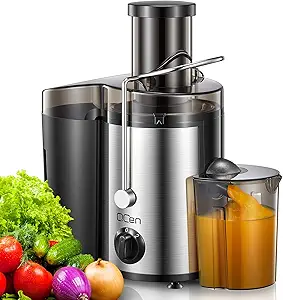 |
| Best Budget The cheapest option that still gets the job done reliably | Y-me Manual Citrus Juicer |  |
| Top Rated A top-rated pick with lots of positive feedback | Zulay Metal 2-in-1 Lemon Squeezer | 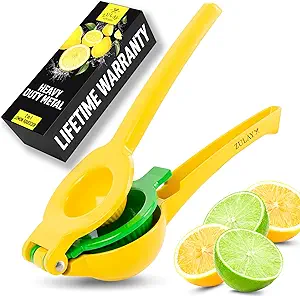 |
| Most Popular A crowd favorite that many people choose with confidence | Zulay Cast Iron Juicer |  |
| Best Seller A high-volume bestseller chosen again and again | Elite Gourmet ETS623 Citrus Juicer |  |
Eurolux Cast Iron Juicer ELJ-5001B

| Material | Stainless Steel Cast Iron |
|---|---|
| Capacity | 15 ounces |
| Power Source | Manual |
| Special Features | Easy to Clean, Portable, Rust Resistant |
This Eurolux cast iron hand press is built like a small bench press for citrus, using a long lever and heavy-duty cast construction to extract juice with minimal wrist effort. It is used by halving fruits, placing them face down in the cone, and pulling the lever to press juice into the stainless steel cup beneath. The removable fruit-contact parts and stainless cup make cleanup straightforward and dishwasher-safe, while the rubber suction feet keep the unit stable on a bar or countertop during repeated use. Its commercial-grade materials and high leverage make it especially effective on oranges and pomegranates and reduce operator fatigue when juicing many drinks in a shift. The unit is bulky and heavy compared with handheld squeezers, so it is best suited to a fixed bar station rather than mobile setups, and its 15-ounce capacity cup means you will empty it frequently during busy service.
Best for: Bartenders or bar managers who need a robust countertop press to produce consistent fresh citrus juice quickly during busy shifts.
Less Ideal for: Mobile bartenders, pop-up events, or venues with limited counter space should consider a lighter or more compact juicer instead.
- Commercial-grade cast iron body for durability under frequent use
- Long lever provides strong mechanical advantage and reduces user fatigue
- Removable fruit-contact parts and stainless steel cup are dishwasher-safe
- Rubber suction feet secure the press to a countertop for steady operation
- Heavy and bulky, making it unsuitable for portable or small-bar setups
- 15-ounce cup requires frequent emptying during high-volume service
Verdict: A heavy-duty manual press built for bartenders who want a reliable, low-effort countertop solution for producing fresh citrus juice during busy service.
NAMA J2 Cold Press Juicer

| Maximum Power | 200 watts |
|---|---|
| Power Source | Corded Electric |
| Voltage | 120 |
| Number of Speeds | 1 |
| Capacity | 30 fluid ounces |
The NAMA J2 is a cold-press, self-feeding masticating juicer built for steady, high-yield extraction from whole produce. It runs on a 200 W motor at a low 50 RPM to limit heat and preserve flavor while the wide mouth hopper lets you load a full recipe and walk away—useful for making multiple cocktail juices or batch mixers. The included auger, coarse strainer, juice and pulp containers, and spinning brush make setup and cleanup straightforward, and most removable parts rinse clean or scrub with the supplied brush. Because it is single-speed and optimized for slow pressing, it excels with leafy greens and citrus blends common in bar applications, producing less foam and drier pulp than centrifugal machines. Limitations: it is not a high-speed commercial unit so very large-volume venues may find throughput slower, and some parts are hand-wash only which adds cleanup time after long shifts. For bartenders who prioritize juice quality and yield over rapid single-cup throughput, the J2 delivers consistent, flavorful results.
Best for: Bartenders and cocktail-focused home users who want maximum juice yield and flavor from leafy greens and citrus and prefer a hands-off, batch-friendly juicer.
Less Ideal for: Very high-volume bars or operations that need rapid, continuous throughput or a commercial-grade, high-speed juicer designed for heavy nonstop use.
- Hands-free self-feeding hopper for batch loading and multitasking
- 200 W masticating motor at low RPM to preserve nutrients and minimize heat
- Wide-mouth feed processes whole produce, reducing prep time
- Included strainers and containers deliver higher juice yield with drier pulp
- Easy-release parts and cleaning brush simplify routine cleanup
- Single-speed operation limits flexibility for specialty textures or faster throughput
- Key parts require hand washing rather than dishwasher-safe cleaning
Verdict: Choose the NAMA J2 when you want slow, hands-free cold-pressed juice with high yield and preserved flavor for cocktail prep.
QCen Centrifugal Juicer KS-501

| Maximum Power | 500 watts |
|---|---|
| Number of Speeds | 2 |
| Power Source | Corded Electric |
| Voltage | 120 volts |
| Capacity | 3 liters |
The QCen KS-501 is a compact centrifugal juicer built for quick extraction of fruit and vegetable juices. It uses a 500W motor and a 3-inch wide feed chute to process whole small fruits or large pieces with minimal pre-cutting, and two speed settings let you choose lower RPMs for soft produce and higher RPMs for harder items like carrots and apples. Safety features include a locking arm that prevents operation unless the cover is secured and an overload protection that shuts the unit off if it overheats. Removable parts and a simple button controller make assembly and hand-washing straightforward, though filter basket removal requires a firm upward pull. Because it is a centrifugal model, it extracts juice fast but will introduce more foam and slightly less yield than slow masticating machines, and it is best used for cocktail prep where speed matters more than maximum yield or long-term nutrient preservation. Compact footprint and stainless steel blades make it suitable for busy bar stations that need quick fresh juice between pours.
Best for: Bartenders and busy hosts who prioritize fast, frequent fresh-juice prep and want a compact, user-friendly machine for making cocktails and garnishes quickly.
Less Ideal for: Those who prioritize maximum juice yield, minimal foam, or long-term nutrient retention should consider a slow masticating juicer instead.
- Powerful 500W motor delivers fast extraction for high-throughput use
- 3-inch wide feed chute reduces prep time by fitting larger pieces or small whole fruits
- Two-speed control tailors RPMs for soft or hard produce
- Safety lock arm and overload protection improve safe operation in busy environments
- Detachable parts and simple controls make cleaning and operation straightforward
- Centrifugal extraction produces more foam and typically lower juice yield than slow masticating juicers
- Manufacturer recommends hand washing rather than dishwasher cleaning
Verdict: Choose the QCen KS-501 when you need fast, reliable fresh juice on a busy bar station where speed and simple cleanup matter most.
Y-me Manual Citrus Juicer

| Recommended Uses For Product | Lemon, Lime |
|---|---|
| Power Source | Manual |
| Material | Aluminum |
| Capacity | 0.3 liters |
| Product Care Instructions | Dishwasher Safe |
This compact handheld citrus press uses a deep bowl and sturdy aluminum construction to squeeze lemons and limes quickly with minimal mess. Designed for bartenders and home cooks, you clamp halved fruit in the bowl and press the ergonomic handles together to extract juice while the bowl keeps seeds and excess pulp out. The reinforced joints and metal build give it a solid, durable feel compared with thin-plastic presses, and its dishwasher-safe finish makes cleanup fast between service or cocktail shifts. Because it is manual, you get precise control over juice volume without noise or power cords, but it does require hand strength for larger batches and is limited to small citrus like lemons and limes. Its compact shape stores easily in a drawer or bar kit, making it convenient for busy bars that need a simple, reliable tool for single-serve cocktails and garnishes.
Best for: Bar staff and home bartenders who need a compact, durable tool to quickly juice lemons and limes for cocktails without relying on electricity and who prioritize low cost and easy cleanup.
Less Ideal for: High-volume commercial bars that need rapid mechanical juicing for large batches or anyone who regularly juices large citrus fruits should consider a powered or larger-capacity juicer instead.
- Durable food-grade aluminum construction resists bending and rust
- Deep bowl design captures more juice and keeps seeds out
- Ergonomic handles provide good leverage for quick single-serve squeezing
- Dishwasher-safe finish for easy cleanup during busy shifts
- Manual operation requires repeated hand strength for high-volume use
- Sized for lemons and limes only, not suitable for large citrus like grapefruits
Verdict: A rugged, inexpensive handheld press that gives bartenders fast, mess-free lemon and lime juice with easy cleanup.
Zulay Metal 2-in-1 Lemon Squeezer

| Material | Aluminum |
|---|---|
| Power Source | Manual |
| Capacity | 0.5 liters |
| Special Features | Ergonomic Handle |
The Zulay Metal 2-in-1 Lemon Squeezer is a straightforward manual citrus press that uses a lever and bowl to get maximum juice from halved lemons, limes, and small oranges. Its aluminum construction and ergonomic handle give it a solid, heavy-duty feel that suits repeated use behind a busy bar, and the bowl holes act as a basic seed and pulp filter so liquid pours cleanly into a glass or shaker. It is simple to use: place a half fruit in the bowl, squeeze the handles, and strain directly into your drink or a measuring cup. Cleaning is quick since the unit is hand-washable and mostly open; the compact footprint also makes it easy to stash behind the bar. Limitations include a manual workflow that slows throughput compared with electric presses and a design sized for smaller citrus rather than full oranges, but for bartenders who value a reliable, robust manual tool this squeezer delivers consistent extraction without power or fragile parts.
Best for: Bartenders and home mixologists who need a dependable, no-frills manual press for small citrus and who prioritize a rugged tool that performs consistently without electricity.
Less Ideal for: High-volume bars that require rapid extraction of large oranges or automated throughput should consider powered commercial presses instead.
- Sturdy aluminum construction feels durable for frequent use
- Ergonomic handle reduces hand strain during repeated squeezing
- Built-in holes filter seeds and most pulp for cleaner pours
- Compact design stores easily on a crowded bar or workstation
- Manual operation limits throughput compared with electric juicers
- Sized for lemons, limes, and small oranges so larger fruit is not fully compatible
Verdict: A rugged, manual citrus press built for consistent, reliable extraction of small citrus that fits neatly into a bartender's toolkit.
Zulay Cast Iron Juicer

| Material | Cast Iron & Stainless Steel |
|---|---|
| Capacity | 0.6 liters |
| Power Source | Manual |
| Recommended Uses For Product | Citrus |
This cast iron juicer is a lever-style manual press built for heavy use behind a bar or at home. You place halved citrus in the 5-inch bowl, pull the long cast iron arm down and the stainless steel cone and detachable strainer separate seeds and most pulp while forcing high yield into a cup. The cast iron frame and rubberized feet make the unit very stable during repeated presses, and the detachable strainer and components simplify hand-cleaning despite the recommendation to wash by hand. Because it uses mechanical leverage, it powers through thick-skinned fruit with little arm fatigue and produces consistently high juice extraction without electricity or complex setup. Limitations are its weight and footprint, so it is best suited to a fixed bar station rather than portable use, and hand-wash care means added maintenance compared with dishwasher-safe plastic juicers.
Best for: Bartenders and juice-forward beverage pros who need a reliable, no-power juicer that delivers high yield and stable operation at a fixed station.
Less Ideal for: People who need a lightweight, portable, or dishwasher-safe juicer for occasional home use or frequent transport between locations.
- Heavy cast iron construction for long-term commercial use
- Long lever provides strong mechanical advantage and high extraction with minimal effort
- Detachable stainless steel strainer keeps seeds out and is easier to clean than fixed screens
- Rubberized feet and robust base prevent slipping or tipping during repeated presses
- Hand wash only care increases cleaning time and limits dishwasher convenience
- Substantial weight and footprint make it impractical to move frequently
Verdict: A rugged lever-style press built for bartenders who want dependable, high-yield citrus extraction without electricity.
Elite Gourmet ETS623 Citrus Juicer

| Maximum Power | 40 watts |
|---|---|
| Power Source | Corded Electric |
| Voltage | 120 |
| Capacity | 24 oz |
| Special Features | Quiet Motor |
The Elite Gourmet ETS623 is a small, straightforward electric citrus juicer designed to produce quick batches of fresh orange, lemon, lime, or grapefruit juice with minimal fuss. It uses a 40-watt motor and an auto-reversing reamer that rotates both directions when you press the fruit, which helps extract more juice than many basic 25-watt models. Juice collects in the 24 oz container with an integrated pulp and seed filter and an easy-pour spout so you can pour directly into a shaker or glass. The unit is compact enough for a busy bar station or a small prep area and its quieter motor keeps noise down during service. Removable parts are dishwasher-safe on the top rack for faster cleanup, though hand washing is recommended to extend life. Practical limits include modest capacity and a consumer-grade motor, so it performs best for steady small batches rather than continuous high-volume commercial use.
Best for: Bartenders and small bar operators who need a reliable, low-noise citrus juicer for preparing steady small batches of fresh juice during service.
Less Ideal for: Busy cocktail bars or venues that require continuous high-volume citrus extraction should consider higher-capacity commercial juicers instead.
- 40-watt motor with auto-reversing reamer improves extraction over basic models
- 24 oz juice container with integrated pulp and seed filter and pour spout for easy serving
- Compact footprint suitable for tight bar stations or small prep areas
- Quieter motor reduces noise during service
- Small 24 oz capacity limits continuous high-volume juicing
- Consumer-grade motor not intended for heavy commercial use
Verdict: A compact, quieter electric citrus juicer that reliably makes small batches of fresh juice—well suited for bartenders needing steady, low-noise preparation.
Choosing the Right Juicer for Bartenders: Key Factors to Consider
Juice Yield & Extraction Type
Different extraction methods change how much usable juice you get from citrus and other fruits. Mechanical reamers and citrus presses often provide high yield for citrus but vary with the fruit size and ripeness. Centrifugal or high-speed juicers may extract quickly but can introduce more foam and oxidation, which matters for delicate cocktail flavors.
For bartending, yield directly affects cost per drink and consistency. A design that efficiently compresses or presses fruit reduces waste and ensures each drink tastes the same. Consider whether the juicer's method preserves essential oils from citrus peel when your cocktails rely on bright aromatics.
Throughput and Speed
Bar service requires consistent, repeatable output during busy periods. Throughput is about how many fruits or servings the unit can process per minute without overheating or jamming. Look for machines rated for continuous use or with duty cycles that match your expected service length.
Faster cycle speed lowers prep time and lets bartenders focus on simultaneous tasks. However, very high-speed methods can create foam or oxidation that affects presentation and taste, so balance speed with the type of cocktails you make.
Ease of Cleaning and Sanitation
Frequent cleaning between shifts or during service is nonnegotiable in a bar environment. Juicers with fewer parts, smooth surfaces, and tool-free disassembly simplify sanitizing. Materials that tolerate commercial cleaning agents and frequent wash cycles will extend service life.
Also pay attention to crevices where pulp or sugar can accumulate. Designs that minimize trapped residue reduce bacterial buildup and keep flavors pure between runs. Quick-rinse workflows and dishwasher-safe components are practical advantages in busy bars.
Durability and Serviceability
Durable construction matters when a machine sees dozens or hundreds of uses per day. Metal or reinforced components, robust motors, and replaceable wear parts are indicators of equipment that will last. Consider the availability of service parts and how easy it is to replace seals, gaskets, or blades.
Serviceability also means straightforward troubleshooting and minimal downtime. Units that allow quick part swaps or have modular designs help keep a bar running when something wears out.
Footprint, Noise, and Ergonomics
Bar counters are tight, and the juicer's footprint determines where it can live. Compact or vertical designs save counter space, while stable bases reduce spills. Noise level matters in intimate venues where loud motors disrupt conversation.
Ergonomics includes how fruit is loaded, how waste is discharged, and whether the operator can use the unit without awkward movements. Comfortable heights, reachable controls, and efficient pulp disposal improve speed and reduce fatigue.
Flavor Retention and Oxidation
Different extraction approaches affect oxidation and foam, which alter aroma and taste. Slow-press or cold-press methods generally preserve volatile aromatics and produce less foam, which is important for delicate cocktails and garnishes. On the other hand, quick juicing methods may introduce air and heat, accelerating flavor degradation.
Consider how long juice will sit before use. If you batch juice ahead of service, choose a method that maintains freshness for that holding period and minimizes bitterness or off-flavors from exposed pulp or peel oils.
Types of Juicers Suitable for Bar Use
Several juicer styles work well in bars depending on menu and service model. Manual presses and lever citrus presses offer quick, high-yield extraction for citrus-forward menus and are simple to clean and maintain. Electric reamers and citrus-specific machines speed single-operator service while keeping the operation compact.
Cold-press or masticating units preserve aromatics and are useful when you need to batch juice ahead while keeping flavor. High-speed centrifugal models process more fruit quickly but can introduce foam and oxidation, which matters for some cocktails.
- Manual and lever presses: high yield for citrus, low maintenance
- Electric citrus juicers: fast individual extraction, compact
- Cold-press (masticating): best for flavor retention and batching
- High-speed centrifugal: fastest throughput, may increase foam
Setting Up a Bar Workflow Around a Juicer
Integrate the juicer into a predictable workflow to reduce bottlenecks. Position it near the garnish station and glass rinse sink to streamline fruit prep and waste disposal. Use labeled bins for prepped fruit, pulp, and compost to keep the line moving during service.
Batching small amounts between peak hours can speed service, but store juice properly in covered containers and refrigerate if not used immediately. Train staff on a standard extraction technique so each pour tastes consistent regardless of the operator.
- Place juicer close to where garnishes and glassware are handled
- Prep fruit in batches during lulls, but avoid long holding times
- Standardize squeezing pressure or reamer timing across staff
Cleaning Protocols for Busy Bars
Adopt simple, repeatable cleaning steps that can be performed between cocktails or at shift changes. Rinse removable parts immediately after heavy use to prevent pulp buildup. Keep a sanitizing solution on hand and train staff to perform a short wipe-down after each rush and a full disassembly clean at day end.
Choose models with dishwasher-safe components if your back-of-house can support that step, but remember that frequent dishwasher cycles demand durable materials. Maintain a parts replacement schedule for seals and gaskets to avoid leaks and contamination.
- Immediate rinse to avoid dried pulp
- Use sanitizing solution during service and full clean after shifts
- Log part replacements to prevent unexpected downtime
Small Bar Vs High-Volume Venue Considerations
Small cocktail bars often prioritize compact units with quiet operation that preserve counter space and do not overwhelm the service flow. These venues may favor manual or compact electric juicers that offer high yield for citrus without a large footprint.
High-volume venues should prioritize throughput and durability. Look for machines designed for continuous operation with replaceable wear parts and easy pulp handling to prevent frequent stoppages. Noise and ventilation may also be important in open-plan or busy bar environments.
- Compact units for small bars: space-saving, lower noise
- Heavy-duty units for high-volume: continuous duty rating, easy pulp ejection
Storing and Handling Fresh Juice
How you store freshly extracted juice affects flavor and safety. Use clean, airtight containers and keep juice refrigerated if not used immediately. Limit exposure to air and light to slow oxidation and flavor loss.
Label batches with extraction time and intended use. For citrus that will be used within an hour, simple covered pitchers are fine. For longer storage, use refrigerated containers and consume within a day for best taste and safety.
- Use airtight, labeled containers for batched juice
- Refrigerate if not used within 30 to 60 minutes
- Avoid prolonged light and air exposure to reduce oxidation
How We Chose the Best Juicer for Bartenders
We shortlisted juicers that address the real demands of bar service: speed, yield, sanitation, durability, and ease of use. Primary evaluation criteria included juice yield and extraction efficiency, since minimizing waste and maximizing output is critical for cost and flavor consistency. We also measured throughput and cycle time to reflect how many citrus fruits or fruits per minute a unit can handle in a busy shift. Cleanup and maintenance was another core filter, focusing on designs with minimal parts, tool-free disassembly, and materials that withstand frequent sanitizing. Durability and build quality were considered to ensure the machines stand up to repeated commercial-style use. We gave weight to ergonomics and layout because compact footprints and user-friendly operation reduce service friction. Units that required excessive setup, specialized tools for cleaning, or had nonreplaceable wear parts were excluded. We did not include products intended strictly for home occasional use that lack the throughput, sealing, or serviceability expected by bartenders. The methods used here prioritize real-world bar scenarios rather than lab-only metrics.
Our full evaluation process is outlined in our review methodology.
FAQ
Can I use the same juicer for citrus and harder fruits?
It depends on the juicer type. Citrus presses and reamers excel at citrus but struggle with apples or carrots. Cold-press or masticating models handle a wider range of produce but may be slower. Pick based on your menu mix.
How often should I clean the juicer during a shift?
Rinse removable parts after heavy use and perform a quick wipe-down during slower moments. Plan a full disassembly and sanitizing clean at the end of each shift to remove trapped pulp and prevent bacterial buildup.
Is batch juicing practical for cocktail service?
Batch juicing can save time during peak service, especially for consistent, high-use ingredients. Keep batches small and refrigerated, and use airtight containers to limit oxidation and flavor change.
What maintenance keeps a juicer working reliably?
Regularly inspect and replace seals, gaskets, and worn parts. Lubricate moving parts if the manufacturer recommends it, and follow a cleaning schedule to prevent hard-to-remove buildup that causes jams or motor strain.
Will a high-speed juicer change cocktail flavor?
High-speed extraction can introduce more air and heat, which may increase foam and accelerate oxidation. For aroma-sensitive cocktails, slower cold-press methods usually preserve volatile oils and produce a cleaner flavor profile.
Final Verdict
Choose a juicer for bartending by balancing throughput, yield, and ease of cleaning against your available counter space and menu needs. If citrus cocktails dominate, a high-yield citrus press with simple disassembly will save time and money. If you batch diverse fruits or prioritize aromatics, a cold-press option may be worth the slower cycle. Prioritize durability and serviceability for high-use settings and pick a footprint that fits your bar layout. With those tradeoffs in mind, you can select a juicer that keeps service moving and preserves the flavor profile of your cocktails.