
Note: This article contains affiliate links. If you click on these links and make a purchase, we may earn a small commission at no extra cost to you. This helps support our research and content. Read our full affiliate disclosure here.
If you plan to juice hard-root vegetables like beetroot and carrot regularly, the machine you pick will determine how much juice you get, how much prep is required, and how easy cleanup will be. A juicer optimized for tough, fibrous produce delivers higher yield and clearer juice with less waste, which matters if you want consistent flavor and nutrients every day. This guide covers seven shortlisted juicers built to handle beetroot and carrot, evaluated for extraction efficiency, pulp dryness, durability, and ease of cleaning. Read on for practical advice to match one of these top picks to your kitchen routine and juicing goals.
Top Picks at a Glance
| Best Overall The best all-around choice for most situations | Breville Juice Fountain Plus JE98XL |  |
| Best Quality Built to a higher standard if you want something more solid | NAMA J2 Cold Press Juicer |  |
| Best Value The sweet spot between price and what you get | Ninja NeverClog Cold Press Juicer JC151 |  |
| Best Budget The cheapest option that still gets the job done reliably | QCen 500W Centrifugal Juicer KS-501 | 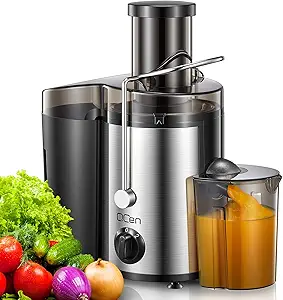 |
| Top Rated A top-rated pick with lots of positive feedback | AAOBOSI Cold Press Juicer |  |
| Most Popular A crowd favorite that many people choose with confidence | Hamilton Beach Big Mouth Juicer |  |
| Best Seller A high-volume bestseller chosen again and again | Juilist Centrifugal Juicer AMR526 |  |
Breville Juice Fountain Plus JE98XL

| Maximum Power | 850 watts |
|---|---|
| Number of Speeds | 2 |
| Power Source | Corded Electric |
| Capacity | 1 liters |
The Breville Juice Fountain Plus JE98XL is a straightforward centrifugal juicer built for fast, everyday juicing of hard and soft produce. It uses an 850W motor and a titanium-reinforced disc with a stainless steel micro-mesh filter to extract juice quickly, while the 3-inch extra-wide chute reduces prep by allowing many fruits and vegetables to be fed whole. Two speed settings let you use low for softer or leafy items and high for denser roots like carrots and beets, and the included juice jug has a built-in froth separator to deliver clearer pours. Cleanup is made easier by a detachable pulp container and dishwasher-safe parts, and the unit stores neatly with cord wrap under the base. The design favors speed and convenience over slow, cold-press extraction, so it delivers good yields for firm produce but will introduce more foam and slightly more oxidation than a masticating model. For someone wanting quick, reliable daily juice without complex setup, this model is a practical choice.
Best for: Buyers who want fast, no-fuss juicing of beets, carrots, and mixed produce and prioritize quick prep and cleanup over the slow-press method.
Less Ideal for: Those seeking maximum shelf-life, minimal oxidation, or the highest nutrient retention should consider a masticating juicer instead.
- Powerful 850W motor handles hard roots like carrots and beetroot effectively
- 3-inch extra-wide feed chute cuts prep time by accepting larger pieces or whole produce
- Two-speed control matches speed to ingredient type for better extraction
- Titanium-reinforced disc and stainless steel micro-mesh filter for improved juice yield
- Dishwasher-safe removable parts and cord wrap simplify cleanup and storage
- As a centrifugal juicer it produces more foam and oxidation than slow masticating juicers
- Louder operation compared with slow juicers due to high-speed motor
Verdict: Choose the Breville JE98XL when you want fast, efficient daily juicing of hard roots like beetroot and carrot with minimal prep and easy cleanup.
NAMA J2 Cold Press Juicer

| Maximum Power | 200 watts |
|---|---|
| Power Source | Corded Electric |
| Voltage | 120 |
| Number of Speeds | 1 |
| Capacity | 30 fluid ounces |
The NAMA J2 is a single-auger cold-press juicer built for hands-free, high-yield extraction of fruits and vegetables like beets and carrots. Its large self-feeding hopper lets you load a full recipe and walk away while the 200 W motor turns the auger at a slow speed to minimize heat and preserve nutrients. Practical touches include multiple strainers, a pulp container, and a detachable power cord for easy setup. The machine emphasizes yield and quiet operation, so it handles fibrous produce and leafy greens with less clogging and more juice per pound than centrifugal alternatives. Cleanup is simplified by quick-release parts and a included brush, though parts are hand-wash only. The single-speed design keeps operation simple but limits control for soft or very hard produce without additional technique. At about 30 ounces capacity it is aimed at small to medium batches rather than continuous commercial throughput. If you want efficient, nutrient-preserving extraction for beetroot and carrot juices with minimal supervision, the J2 delivers consistent, quiet performance with easy maintenance.
Best for: Buyers who prioritize maximum yield and nutrient-preserving cold-press extraction for root vegetables and leafy greens and who want a mostly hands-off, quiet juicing routine.
Less Ideal for: People who need variable speed control for delicate blending tasks or who require heavy commercial throughput or fully dishwasher-safe components.
- Large self-feeding hopper enables hands-free loading of full recipes
- Slow single-auger cold-press action maximizes juice yield and preserves nutrients
- Quiet 200 W motor suitable for early-morning juicing
- Includes multiple strainers and containers for less pulp and organized output
- Quick-release parts and included brush make rinsing and light scrubbing straightforward
- Single-speed operation offers limited control for very soft or very hard produce
- Parts require hand washing rather than dishwasher-safe cleaning
Verdict: Choose the NAMA J2 when you want quiet, hands-free cold-press extraction that gets the most juice out of beets and carrots with minimal effort.
Ninja NeverClog Cold Press Juicer JC151

| Maximum Power | 150 watts |
|---|---|
| Number of Speeds | 2 |
| Capacity | 24 fluid ounces |
| Power Source | Corded Electric |
The Ninja NeverClog JC151 is a masticating cold-press juicer designed to extract juice from fibrous ingredients like beets, carrots, celery, and leafy greens without frequent clogging. It uses a 150-watt high-torque auger that turns slowly to preserve nutrients and reduce foam, and includes two interchangeable pulp filters so you can choose a smoother juice or a higher-fiber result. Juice flows into a 24 oz jug while a 36 oz pulp container collects waste, letting you make several servings in one run for meal prep or family use. Operation is simple with two one-touch programs including a reverse function to clear jams, and most juice-contact parts are dishwasher safe for easier cleanup. Limitations include a modest 150W motor that is typical for masticating units so the machine works best with prepared, chunked produce rather than large whole items, and its pace is much slower than centrifugal juicers if you need single-serve speed. For anyone focused on extracting high-yield, nutrient-rich juice from beets and carrots while minimizing foam and clogging, the JC151 is a practical countertop choice.
Best for: Buyers who want consistent, nutrient-preserving extraction from fibrous roots and leafy vegetables and who prioritize juice quality and batch output over rapid single-serve speed.
Less Ideal for: If you need very fast, single-cup juicing or plan to juice whole large produce without prep, a high-speed centrifugal model would be a better fit.
- High-torque 150W auger handles fibrous roots and leafy greens for better extraction from beets and carrots
- Two interchangeable pulp filters let you tune texture from smooth to high-fiber
- Large juice jug and oversized pulp container support batch juicing and meal prep
- Reverse function and NeverClog design reduce jams and keep long runs going
- Dishwasher-safe juice-contact parts simplify cleanup
- Slower processing speed compared with centrifugal juicers, so longer prep time for large volumes
- 150W motor, while effective, is not as fast for whole uncut items and benefits from pre-chopping
Verdict: Choose the Ninja JC151 when you want a reliable cold-press juicer that handles beets and carrots with high yield and low clogging for batch juice prep.
QCen 500W Centrifugal Juicer KS-501

| Maximum Power | 500 watts |
|---|---|
| Number of Speeds | 2 |
| Power Source | Corded Electric |
| Voltage | 120 volts |
| Capacity | 3 liters |
The QCen 500W Centrifugal Juicer is a budget-friendly countertop machine designed for quick extraction from common kitchen produce. It uses a 500W high-speed motor and a 3-inch wide feed chute so you can juice whole apples or large pieces of carrot without heavy prep, and two speed settings let you choose lower RPMs for soft fruit and higher RPMs for hard roots like beetroot and carrot. The unit has a safety locking arm and overload protection, and removable parts make cleanup straightforward though most parts require hand washing. In practice it yields fast, smooth juice from firm produce but, like other centrifugal juicers, it can produce more foam and slightly drier pulp than slow masticating machines. The compact stainless steel housing keeps counter footprint small, and simple button controls are easy to operate. If you want quick daily juices from beets and carrots on a modest budget, this model delivers reasonable performance with sensible safety and cleaning features, but expect the usual centrifugal tradeoffs in juice yield and foam compared with slow juicers.
Best for: Buyers looking for an inexpensive, no-frills juicer that can handle beetroot and carrots quickly and with minimal prep time should consider this model.
Less Ideal for: Those prioritizing maximum juice yield, minimal foam, or wanting a cold-press/masticating extractor for long-term storage or delicate leafy greens should look at slow juicers instead.
- 500W motor provides strong extraction for hard roots like carrots and beetroot
- 3-inch wide feed chute reduces chopping and speeds prep
- Two speed settings tailor performance for soft vs hard produce
- Safety locking arm and overload protection improve safe operation
- Removable parts simplify cleaning and maintenance
- Hand wash only for parts rather than dishwasher safe
- As a centrifugal model it can produce more foam and slightly lower yield than slow masticating juicers
Verdict: A low-cost centrifugal juicer that lets you quickly juice beets and carrots with a wide feed chute and solid 500W power for everyday use.
AAOBOSI Cold Press Juicer
| Special Features | Whole Fruit Processing |
|---|---|
| Wattage | 200 watts |
| Maximum Power | 200 watts |
| Blade Material | Stainless Steel |
| Product Care Instructions | Hand Wash Only |
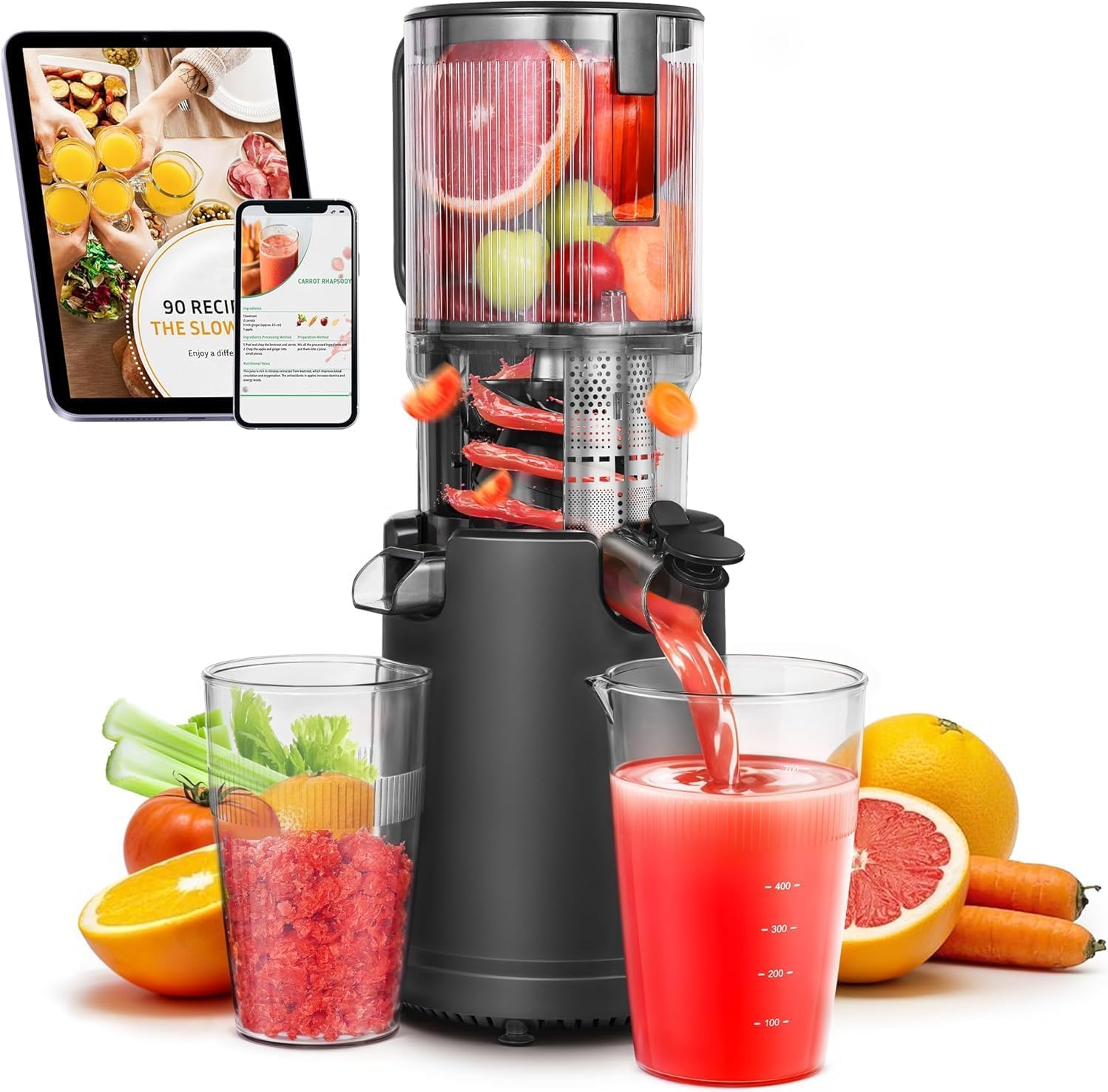
The AAOBOSI Cold Press Juicer is a slow masticating single-auger machine built for daily home juicing of hard and leafy produce. Its 5.4-inch wide chute accepts whole apples, oranges, carrots and other vegetables so you can skip extensive prep, while a low 60 RPM motor (180W running, 200W peak) squeezes juice gently to preserve nutrients and reduce foam. The included double mesh filtration and triple filtration design yield smooth, low-pulp juice that works well for beetroot and carrot blends, and stainless steel components help resist wear from tougher roots. It runs quietly compared with centrifugal units, and the parts are user-serviceable with a cleaning brush included, though components require hand washing. Expect slower throughput than high-speed juicers and occasional scraping or prep for very fibrous roots, but for steady, nutrient-dense yields and quiet operation this unit delivers reliable daily performance.
Best for: Buyers who prioritize dependable, nutrient-focused juicing of roots and leafy greens and want a quiet machine for regular home use.
Less Ideal for: If you need very fast batch juicing for large crowds or prefer dishwasher-clean parts, this unit is not the best fit.
- Wide 5.4-inch chute fits whole fruits and many vegetables to reduce prep time
- Low 60 RPM masticating motor preserves nutrients and minimizes foam
- Double mesh and triple filtration produce smooth, low-pulp juice
- Quiet operation suitable for early-morning juicing
- Stainless steel components resist wear from hard roots
- Parts require hand washing rather than dishwasher-safe cleaning
- Slower juice throughput compared with high-speed centrifugal juicers
- May need occasional scraping or prep for very fibrous produce
Verdict: Choose this juicer if you want a quiet, reliable cold-press machine that extracts nutrient-dense juice from beets, carrots and leafy greens with minimal prep.
Hamilton Beach Big Mouth Juicer

| Maximum Power | 800 watts |
|---|---|
| Number of Speeds | 1 |
| Capacity | 20 fluid ounces |
| Blade Material | Stainless Steel |
The Hamilton Beach Big Mouth juicer is a straightforward centrifugal machine built for speed and convenience. Its 3-inch chute accepts whole apples, bunches of celery, and similarly sized produce so you spend less time prepping, while the 800-watt motor extracts juice from hard roots like carrots and softer fruits in seconds. The stainless steel micromesh filter separates pulp for a relatively smooth juice and an 80 oz pulp bin lets you run several batches before emptying. Removable parts are dishwasher-safe and the package includes a cleaning brush and a 16 oz juice cup to get started. On the downside, centrifugal juicers like this one generate more foam and slightly less yield on leafy greens and beets compared with slow masticating models, and they can be a bit louder during operation. For someone prioritizing quick cleanup and fast throughput, this juicer delivers reliable daily performance, especially for firm produce like carrots and beetroot when used in moderate volumes.
Best for: Buyers who want fast, low-effort juicing of firm produce like carrots and beetroot and who weigh social proof and reliability when choosing a proven model.
Less Ideal for: If you prioritize maximum yield from leafy greens, minimal foam, or very quiet operation you should consider a slow masticating or vertical single-gear juicer instead.
- Extra-large 3" chute reduces prep time by fitting whole fruits and vegetables
- Powerful 800-watt motor that handles hard produce for strong juice yield
- Stainless steel micromesh filter for relatively smooth, low-pulp juice
- Dishwasher-safe removable parts and included cleaning brush simplify cleanup
- Large pulp bin lets you juice multiple items before emptying
- Centrifugal design produces more foam and extracts less from leafy greens compared with masticating juicers
- Operation is relatively loud during use
Verdict: Choose this juicer when you want speedy, low-prep juicing of carrots and beets with easy cleanup and a trusted, well-reviewed design.
Juilist Centrifugal Juicer AMR526

| Capacity | 500 ml |
|---|---|
| Maximum Power | 800 watts |
| Wattage | 400 watts |
| Number of Speeds | 3 |
| Voltage | 220 |
The Juilist Centrifugal Juicer AMR526 is a countertop juicer built for fast extraction from hard and soft produce. Its 3" wide feed chute accepts larger pieces so you can juice carrots and beets with less prep, while the three-speed control (including a high and pulse setting) helps match speed to ingredient toughness. The unit combines a stainless steel cutting disc and micro-mesh filter intended to boost yield and clarity, and a copper motor with thermal protection promises consistent performance during short juicing sessions. Cleanup is simplified by dishwasher-safe accessories and a cleaning brush, and non-slip feet plus a safety lock arm keep the unit steady during use. Expect typical centrifugal juicer trade-offs: it works quickly but produces more foam and a wetter pulp than slow masticating models, and it is best for immediate drinking rather than long-term storage of juice. For everyday juicing of carrots and beetroot where speed and simplicity matter, this model delivers practical, low-effort results.
Best for: Buyers who want a fast, low-effort juicer for daily vegetable juicing—especially those who prioritize reliability and easy cleanup over maximum shelf life.
Less Ideal for: People who need the highest possible juice clarity, dry pulp, or long shelf life should consider a slow masticating juicer instead.
- 3" wide feed chute reduces chopping for roots like carrots and beets
- Three speed settings plus pulse let you match speed to soft or tough produce
- Stainless steel cutting disc and reinforced filter aimed at higher yield and durability
- Dishwasher-safe parts and included brush speed cleanup
- Safety lock arm and non-slip feet improve stability during operation
- Centrifugal design yields more foam and wetter pulp compared with slow juicers
- Not ideal for long-term juice storage due to faster oxidation
Verdict: A practical, easy-to-use centrifugal juicer that quickly handles carrots and beets with minimal prep and simple cleanup.
Choosing the Right Juicer for Beetroot and Carrot: Key Factors to Consider
Extraction Method
The juicing mechanism directly affects how well beetroot and carrot are processed. Centrifugal extractors work quickly but can leave moister pulp and more foam. Masticating or cold-press systems extract more juice and fewer solids from fibrous roots, which increases yield and produces denser, longer-lasting juice.
Choosing the right extraction method matters because it changes prep time, noise, and nutrient retention. If you juice daily or in larger batches, a slower cold-press style often pays off with better yield and less oxidation. For occasional use or if speed is essential, a high-quality centrifugal model may be acceptable, but expect some tradeoffs in dryness and clarity.
Pulp Dryness and Waste
Pulp dryness is the practical measure of how much juice the machine extracts from each beetroot or carrot. Drier pulp means more of the vegetable ended up in your glass and less in the bin. For frequent juicers, better pulp extraction reduces the amount of produce you need to buy and prepare.
Also think about what you want to do with the pulp. Drier pulp is better if you plan to use leftover fiber for baking or cooking because it holds less moisture and is easier to incorporate. If the juicer leaves wet, soggy pulp, you will need to process more vegetables to reach the same yield, raising ongoing grocery and prep costs.
Feed-Chute Size and Prep Time
Feed-chute diameter determines how much chopping you have to do before juicing. Wider chutes accept larger pieces and shorten prep time, which matters with long, narrow roots like carrots. Smaller chutes require more cutting and may increase the chance of clogging when feeding rigid beetroot pieces.
If you prefer minimal prep, look for models with larger chutes or specialized attachments that accept long vegetables with little trimming. However, larger chutes can sometimes mean a slightly larger machine footprint, so balance prep convenience against counter or storage space.
Ease of Cleaning and Maintenance
Cleaning is the daily reality that determines whether a juicer becomes a habit or a dust collector. Machines with easily removable parts, simple assembly, and few crevices make post-juice cleanup quick. Dishwasher-safe components reduce the manual effort required, but pay attention to manufacturer guidance about which parts are safe for machine washing.
Also consider how simple it is to clear pulp from screens and tight passages. Models designed with tool-free access and brush tools simplify routine maintenance and reduce the time between juicing sessions. Good design here will increase the chances you actually use the juicer regularly.
Motor Power, Duty Cycle, and Noise
Hard roots demand consistent torque. Motor power combined with duty-cycle specifications tells you whether a juicer can handle multiple beets or a heavy batch of carrots without overheating. Underpowered motors struggle with dense vegetables and may stall or cause mechanical strain.
Noise level matters if you juice early in the morning or in shared living spaces. Slower masticating motors are usually quieter, while high-speed centrifugal systems are louder but faster. Look for units with thermal protection or cool-running designs for longevity when planning frequent, heavy use.
Build Quality and Warranty Support
Solid construction matters for longevity because processing dense roots puts stress on gears, bearings, and screens. Durable materials for housings, feed chutes, and augers reduce wear and the chance of premature failure. Metal components or reinforced plastics tend to last longer in heavy-use scenarios.
A clear warranty and accessible replacement parts list reduces long-term ownership risk. Even if you take good care of the machine, filters and seals will need replacement over time. Verify that common wear parts are straightforward to obtain and replace to avoid downtime.
Prep Tips for Beetroot and Carrot
Proper prep reduces strain on the machine and improves juice quality. Trim tops and bottoms, peel beets if the skin is particularly dirty or if you prefer a milder flavor, and cut carrots into lengths that match your juicer's feed chute. For spiral or very large roots, quartering the vegetable will help feed it evenly and reduce the chance of jams.
- Wash thoroughly to remove dirt and grit before cutting.
- Cut to the feed-chute size recommended by the manufacturer.
- Consider removing woody cores from oversized beets to avoid uneven feeding.
Batch Juicing Strategies
If you plan to juice multiple beets and a bunch of carrots at once, arrange them by size and alternate between softer and harder pieces when feeding the machine. This helps maintain steady throughput and reduces the risk of clogging. Run a leafy green or apple between batches to help clear the screen and improve overall extraction when switching produce types.
- Alternate beetroot and carrot pieces to maintain consistent feed pressure.
- Use a flushing piece like apple or celery occasionally to clear residue.
- Allow the motor short pauses every few minutes during long sessions to avoid overheating.
How to Use Pulp for Recipes
Leftover pulp from beetroot and carrot can be repurposed into several recipes. Dry it slightly and add to muffins, savory loaves, or vegetable burgers for fiber and color. You can also blend pulp into soups or add it to compost if you prefer not to cook with it.
- Pat pulp dry before incorporating into baking for best texture.
- Add pulp to smoothie bowls for fiber while retaining some juice for flavor.
- Freeze excess pulp in portions for later use in soups or baking.
Cleaning Workflow to Save Time
Establish a consistent cleaning routine to keep cleanup from becoming a chore. Rinse most parts under running water immediately to prevent pulp from drying on screens. Use the included brush for screens and crevices, and disassemble only as far as recommended to avoid damaging seals. If parts are dishwasher-safe, place them on the top rack and avoid long high-heat cycles that can warp plastic. Wipe the motor base with a damp cloth and ensure all parts are dry before reassembly to prevent mold or odors.
- Rinse immediately to prevent stubborn residue.
- Use a soft brush to clean mesh filters thoroughly.
- Dry components completely before storing to avoid odors.
Storage and Counter Considerations
Think about where the juicer will live when not in use. If counter space is limited, choose a compact unit that stores vertically or disassembles easily. For daily users, leaving a juicer on the counter can speed up use but requires attractive design and stable footprint to avoid spills. Also consider cord length, weight for moving into cupboards, and how parts stack or nest for compact storage.
- Measure counter or cabinet space before choosing a model.
- Look for parts that nest or stack to save storage room.
- Consider where the cord will reach and whether you need to move the unit frequently.
How We Chose the Best Juicer for Beetroot and Carrot
We evaluated candidate juicers for their ability to process hard roots efficiently while keeping kitchen effort manageable. Our selection filters prioritized extraction performance, build quality, and user-facing design choices that matter for beetroot and carrot specifically. We excluded models that are primarily designed for soft fruits or only for occasional use, and we filtered out machines with consistently poor cleanup experiences or reports of frequent clogging when handling dense root vegetables. Key evaluation criteria included mechanical extraction method and resulting juice yield, the dryness of the expelled pulp, motor reliability under continuous use typical of root-vegetable juicing sessions, ease of cleaning including removable parts and dishwasher safety, and fit-for-use features such as feed-chute size and included attachments. We also considered noise level and overall footprint since many buyers use these machines daily. Models that scored well across these dimensions and showed solid construction and thoughtful maintenance access were shortlisted for the final group.
Our full evaluation process is outlined in our review methodology.
FAQ
Can I juice raw beetroot and carrot together safely?
Yes. Juicing beetroot and carrot together is common and safe. They have similar textures, so most juicers handle them together without issue, though extraction yield and foam levels can vary by machine type.
Do I need to peel beetroot before juicing?
Peeling is optional. If beetroot is well scrubbed and you do not mind a slightly earthier flavor, you can juice the skin. Peel if the root is dirty, waxed, or if you prefer a milder, sweeter juice.
How often should I clean the juicer after juicing roots?
Rinse removable parts immediately after use and perform a deeper clean after each session. Leaving pulp on filters or screens allows residue to dry and become harder to remove over time.
Will juicing destroy nutrients in beetroot and carrot?
Some nutrients are sensitive to air and light, so juice is best consumed soon after extraction. Cold-press or low-speed extraction methods reduce heat and oxidation, which can preserve more nutrients compared with high-speed centrifugal juicing.
What is the best way to store fresh vegetable juice?
Store juice in airtight, opaque containers in the refrigerator and consume within 24 to 48 hours for best flavor and nutrient retention. Fill containers to minimize air space and keep them cold to slow oxidation.
Final Verdict
When choosing a juicer for beetroot and carrot, prioritize extraction efficiency, pulp dryness, and ease of cleaning. Those factors determine how much juice you get per vegetable, how often you will use the machine, and how much ongoing prep and maintenance the device requires. Balance motor capability and duty-cycle expectations with your space and noise tolerance. Focus on a machine whose extraction method matches your routine: choose slow, cold-press styles for highest yield and nutrient retention or faster centrifugal models if speed and lower upfront cost are more important. In all cases, consider feed-chute size, build quality, and ease of cleaning to make a purchase that fits your daily juicing habits.