
Note: This article contains affiliate links. If you click on these links and make a purchase, we may earn a small commission at no extra cost to you. This helps support our research and content. Read our full affiliate disclosure here.
If you regularly juice carrots, beets, apples, or other dense produce, picking the right juicer for hard fruits and vegetables changes how much juice you get and how often you actually use the machine. A well-matched juicer reduces prep time, squeezes more liquid from tough fibers, and makes cleanup simple enough that juicing becomes a daily habit rather than a chore. This guide presents seven shortlisted juicers chosen for their ability to handle firm produce. We focus on extraction efficiency, durability, noise and vibration, and ease of cleaning so you can find an option that fits your routine and countertop. Read on for the key factors that matter and practical buying guidance before the product list.
Top Picks at a Glance
| Best Overall The best all-around choice for most situations | Breville Juice Fountain Cold BJE430 | 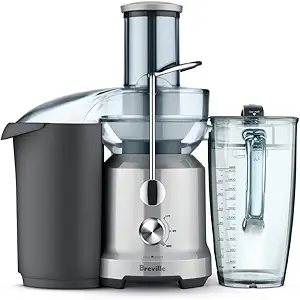 |
| Best Quality Built to a higher standard if you want something more solid | Hurom H70 Slow Juicer |  |
| Best Value The sweet spot between price and what you get | Breville Juice Fountain Plus JE98XL |  |
| Best Budget The cheapest option that still gets the job done reliably | QCen Centrifugal Juicer KS-501 | 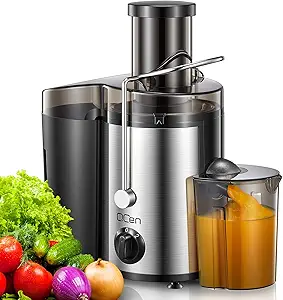 |
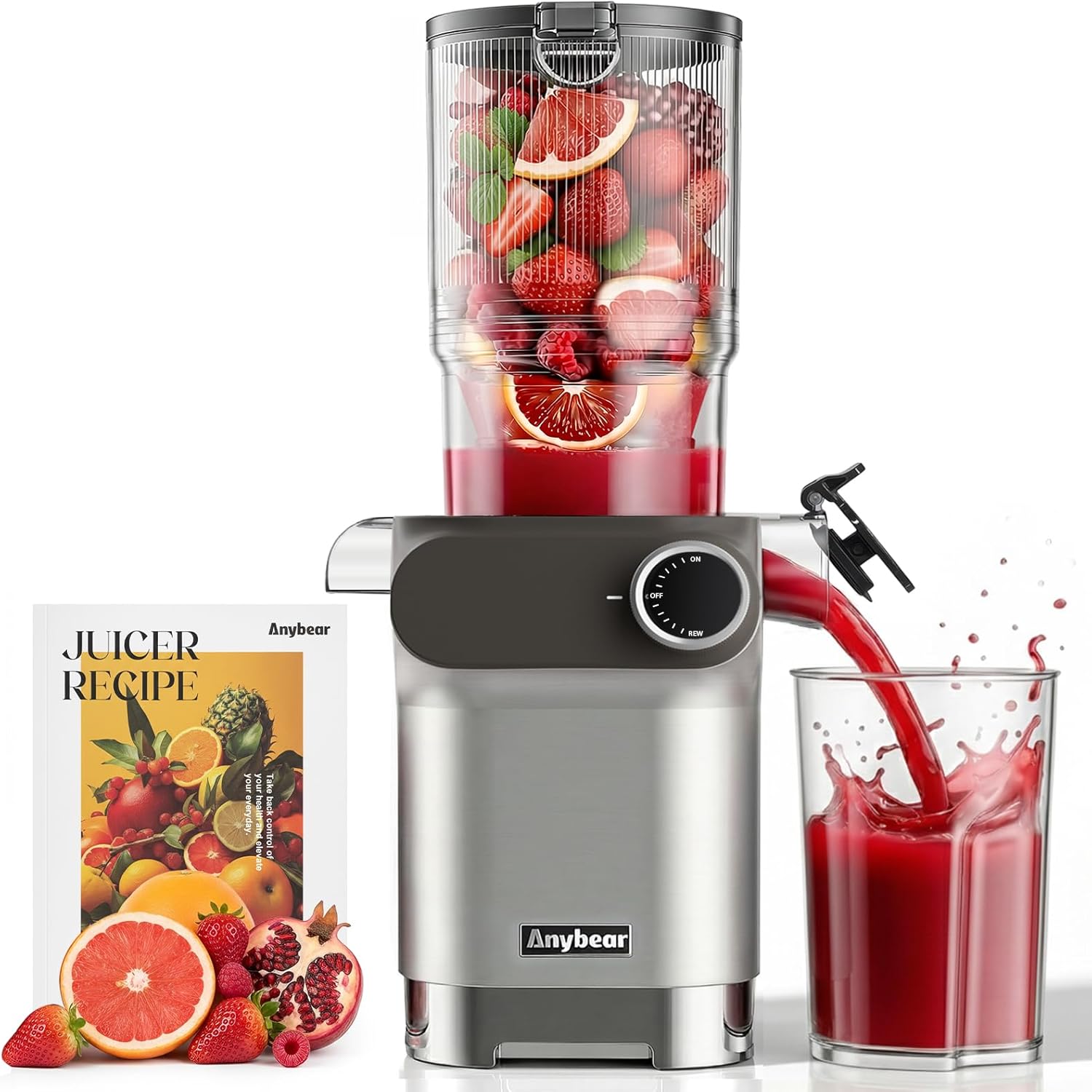
| Top Rated A top-rated pick with lots of positive feedback | anybear Cold Press Juicer SJ054C |  |
| Most Popular A crowd favorite that many people choose with confidence | Hamilton Beach Big Mouth Juicer |  |
| Best Seller A high-volume bestseller chosen again and again | EanOruus 3-in-1 Masticating Juicer E-18 |  |
Breville Juice Fountain Cold BJE430

| Wattage | 850 watts |
|---|---|
| Number of Speeds | 2 |
| Capacity | 2 liters |
| Blade Material | Titanium |
The Breville Juice Fountain Cold is a high-speed centrifugal juicer built for everyday home use, especially when you need to process hard fruits and vegetables quickly. Its 850 watt motor and titanium cutting disc tackle apples, carrots, and celery with minimal prep thanks to a 3 inch extra-wide chute that accepts whole pieces. Cold Spin Technology and a precision mesh filter are designed to limit heat buildup and help preserve vitamins and minerals during extraction, while a 70 fl oz seal-and-store jug lets you juice a batch and refrigerate it for up to three days. Two-speed electronic controls handle soft or hard produce and a detachable nozzle lets you juice straight into a glass or seal the jug to avoid drips. Parts like the filter bowl and jug are dishwasher safe for easier cleanup, though the main unit and some plastic parts still need hand washing. The unit is substantial on the counter, and like other centrifugal machines it produces more foam and slightly less yield than slower masticating models, but it is a fast, practical choice for families who want quick, nutrient-conscious juice from tough produce.
Best for: Buyers who want a fast, reliable juicer that can process hard produce with minimal prep and store batch-made juice for the family.
Less Ideal for: Those who prioritize maximum juice yield, minimum foam, or the slow cold-press extraction style should consider a masticating juicer instead.
- Powerful 850W motor handles hard fruits and vegetables quickly
- 3 inch extra-wide chute reduces prep by allowing whole produce
- Cold Spin Technology with precision mesh filter aims to limit heat-related nutrient loss
- Large 70 fl oz seal-and-store jug keeps batches fresh for up to three days
- Dishwasher-safe filter bowl and juice jug simplify cleanup
- Centrifugal design creates more foam and generally lower yield than masticating juicers
- Unit is relatively bulky and requires counter space
Verdict: A fast, family-ready centrifugal juicer that powers through hard fruits and vegetables and stores large batches with minimal prep.
Hurom H70 Slow Juicer

| Wattage | 150 watts |
|---|---|
| Power Source | Corded Electric |
| Material | Acrylonitrile Butadiene Styrene (ABS) |
| Blade Material | Ultem |
The Hurom H70 is a slow, single-auger masticating juicer built to extract high yields from hard fruits and vegetables while keeping cleanup simple. It uses a strainer-free Easy Clean chamber and two-part auger system to separate pulp without mesh filters, which the manufacturer says makes rinse-downs faster and reduces mineral buildup. The H70 has a wide self-feeding hopper so you can add larger pieces or whole small apples with less prep, and a front-facing gauge to monitor juice collection. At 150 watts and a low RPM design, it runs quietly and emphasizes thorough squeezing for drier pulp and higher yield, which is useful when juicing carrots, beets, and other dense produce. The unit is compact and portable for countertop use or storage, but it is hand-wash only and not dishwasher-safe, so frequent users should expect to rinse parts after each session. For buyers focused on extracting maximum juice from hard produce, the H70 balances performance, minimal prep, and easier cleanup compared with mesh-strainer masticating models.
Best for: Buyers who prioritize juice yield and smooth texture from hard fruits and vegetables and want a compact, quiet machine that minimizes prep and maximizes extraction.
Less Ideal for: Casual users who only juice occasionally or who prefer dishwasher-cleanable components and a lower upfront cost should consider simpler centrifugal models instead.
- Strainer-free Easy Clean chamber reduces scrubbing and simplifies rinsing
- Wide self-feeding hopper accepts larger pieces to cut prep time
- Low-speed auger design yields drier pulp and higher juice extraction from hard produce
- Quiet operation thanks to slow masticating mechanism
- Parts require hand washing and are not dishwasher-safe
- Relatively high price compared with basic juicers
Verdict: Choose the H70 if you want a compact, performance-focused masticating juicer that pulls maximum juice from hard fruits and vegetables with minimal pulp and easier cleanup.
Breville Juice Fountain Plus JE98XL

| Wattage | 850 watts |
|---|---|
| Number of Speeds | 2 |
| Power Source | Corded Electric |
| Capacity | 1 liters |
The Breville Juice Fountain Plus JE98XL is a centrifugal juicer built for fast, everyday juice prep. It uses an 850W motor and a titanium-reinforced cutting disc with a stainless steel micro-mesh filter to extract juice from hard fruits and vegetables, while a 3-inch extra-wide chute reduces prep by letting you juice larger pieces or whole fruit. Two speed settings let you switch between softer, leafy produce and denser items, and the included 35.2 fl oz jug has a built-in froth separator that pours clearer juice. Cleanup is straightforward: the pulp container detaches and many parts are dishwasher safe, and cord storage under the base keeps the countertop tidy. Expect efficient, high-volume juicing with more pulp expelled than in slow masticating models, and slightly more foam unless you use the froth separator and low-speed setting for leafy greens. The unit is solidly built for regular use but takes counter space and is louder than slow juicers.
Best for: Buyers who prioritize fast, high-throughput juicing of hard fruits and vegetables and want minimal prep time and straightforward cleanup.
Less Ideal for: Anyone who wants the quietest operation or maximum nutrient retention per ounce should consider a slow masticating juicer instead.
- Powerful 850W motor handles hard fruits and vegetables efficiently
- 3-inch extra-wide feed chute reduces prep time by fitting larger pieces or whole fruit
- Two-speed control optimizes extraction for both soft and dense produce
- Integrated froth separator produces clearer juice and a detachable pulp container simplifies cleanup
- Being a centrifugal design it produces more foam and slightly drier juice than slow masticating juicers
- Louder operation and larger countertop footprint compared with compact or slow juicers
Verdict: Choose the JE98XL if you want fast, no-fuss juicing of hard fruits and vegetables with a wide chute and robust motor.
QCen Centrifugal Juicer KS-501

| Maximum Power | 500 watts |
|---|---|
| Number of Speeds | 2 |
| Power Source | Corded Electric |
| Voltage | 120 volts |
| Capacity | 3 liters |
The QCen KS-501 is a compact centrifugal juicer designed to turn whole or roughly cut fruits and vegetables into juice quickly. It uses a 500W motor and two speeds (about 12,000 and 18,000 RPM) so you can run soft produce like oranges on low and harder items such as carrots and apples on high. The 3-inch wide feed chute reduces prep time by fitting larger pieces or whole small fruits, and a safety lock arm plus overload protection keep operation straightforward. Detachable stainless steel and BPA-free parts make cleanup simpler, though the manufacturer notes hand washing for components. In practice this style of juicer extracts juice fast but can produce more foam and pulp than slow masticating models, so you may want to strain or settle juice before drinking. It is well suited to everyday home use for people who want quick results and can tolerate slightly more separation and heat during extraction; it is not the best choice if you need maximum yield or very low-foam cold-press juice for long-term storage.
Best for: Buyers who want a fast, budget-friendly juicer that handles hard fruits and vegetables with minimal prep and simple controls.
Less Ideal for: Those seeking maximum cold-press yield, very low-foam juice for long storage, or a fully dishwasher-safe appliance should consider other juicer types.
- 500W motor provides fast, efficient extraction for hard produce
- Two speed settings let you match speed to soft or hard fruits and vegetables
- 3-inch wide feed chute reduces prep time by fitting larger pieces or whole small fruits
- Safety lock arm and overload protection improve safe, reliable operation
- Removable stainless steel and BPA-free parts make disassembly and cleaning easier
- Centrifugal design yields more foam and less long-term juice clarity compared with slow masticating models
- Manufacturer specifies hand wash only for parts rather than dishwasher-safe components
Verdict: If you want an affordable, quick centrifugal juicer that can handle hard fruits and vegetables with a wide chute and two-speed control, the QCen KS-501 is a solid pick.
anybear Cold Press Juicer SJ054C
| Maximum Power | 200 watts |
|---|---|
| Wattage | 200 watts |
| Voltage | 110 volts |
| Special Features | Easy to Clean |
The anybear Cold Press Juicer SJ054C is a single-auger masticating juicer built for steady, low-speed extraction of fruits and vegetables. Its 200W motor and high-torque auger turn at around 65 RPM to minimize oxidation and squeeze liquids from hard produce with higher yield and preserved flavor. The 4.3-inch feed chute accepts larger pieces so you can load more without extensive chopping, and the Tritan feed components plus a one-piece stainless steel filter make the unit easier to rinse and maintain. In practice it is used for daily fresh juices, green blends, and small-batch nut or baby food prep where gentle pressing preserves nutrients. Cleaning is straightforward thanks to the simple disassembly and included brush, though the unit is hand-wash only. The design emphasizes juice yield and reliability rather than speed, so expect longer run times for tougher items compared with centrifugal models, and it is best suited to counter use rather than heavy commercial throughput.
Best for: Buyers who prioritize reliable, nutrient-preserving extraction for home use and want a machine that consistently delivers high yield from hard fruits and vegetables.
Less Ideal for: People who need very fast throughput for large volumes or who prefer fully dishwasher-safe components should consider other options.
- High-torque 200W motor and slow auger reduce oxidation and increase juice yield from hard produce
- 4.3-inch feed chute reduces prep by fitting larger fruits and vegetables
- Tritan feed components and one-piece stainless steel filter simplify rinsing and maintenance
- Includes brush and straightforward disassembly for easier cleaning
- Lower-speed operation makes extraction slower than centrifugal juicers for large batches
- Hand wash only parts require attention rather than dishwasher-safe convenience
Verdict: Choose this slow masticating juicer when you want reliable, high-yield extraction and preserved flavor from hard fruits and vegetables.
Hamilton Beach Big Mouth Juicer

| Maximum Power | 800 watts |
|---|---|
| Number of Speeds | 1 |
| Capacity | 20 fluid ounces |
| Blade Material | Stainless Steel |
The Hamilton Beach Big Mouth juicer is a straightforward centrifugal machine built for fast everyday juicing of hard and soft produce. Its 3-inch feed chute lets you slip in whole apples, carrots, or bunches of celery with minimal prep, while the 800-watt motor spins a stainless steel micromesh filter to extract juice and separate pulp. Typical use is simple: feed produce, collect juice in the included cup or pitcher, then empty the large pulp bin. Dishwasher-safe parts and a cleaning brush keep post-juice cleanup manageable, though centrifugal juicers in general produce more foam and slightly less yield from leafy greens than slow masticating models. The single-speed knob keeps operation easy but limits control for delicate items. For buyers prioritizing speed and convenience for hard fruits and vegetables, this model delivers quick results with solid build quality and a three-year warranty; those who want quieter operation or maximum yield from greens may want to consider other juicer types.
Best for: Buyers who want fast, low-effort juicing of hard fruits and vegetables and value time savings and proven performance over maximum leafy-green yield.
Less Ideal for: People who prioritize the highest possible juice yield from leafy greens, very quiet operation, or cold-press style juice texture should consider a masticating juicer instead.
- Extra-large 3-inch feed chute reduces prep time by fitting whole fruit and large pieces
- 800-watt motor provides strong extraction for hard fruits and vegetables
- Stainless steel micromesh filter and removable parts make juicing and straining efficient
- Dishwasher-safe components and included cleaning brush simplify cleanup
- Comes with a juice cup and a large pulp bin so you can make multiple servings without frequent emptying
- Single-speed control limits fine-tuning for delicate produce
- Centrifugal design can create more foam and produce slightly lower yield from leafy greens
Verdict: Choose this Hamilton Beach model if you want fast, no-fuss juicing of hard fruits and vegetables with minimal prep thanks to the oversized feed chute.
EanOruus 3-in-1 Masticating Juicer E-18

| Maximum Power | 250 watts |
|---|---|
| Power Source | ac |
| Voltage | 110 volts |
| Capacity | 100 fluid ounces |
| Special Features | Auto-Reversing, Overheat Protection |
The EanOruus E-18 is a single-auger cold press juicer focused on heavy-duty home use, converting whole fruits and vegetables into juice, nut milk, or frozen sorbet using two interchangeable strainers. Its 6.5-inch extra-wide chute and 100 oz hopper significantly reduce prep and refill time by accepting large pieces and larger batches, making it practical for families or meal preppers. The 250-watt AC brushless motor is built for torque and quieter operation than many high-speed centrifugal machines, and features like auto-reverse and overheat protection help with fibrous ingredients and prolonged sessions. Detachable parts and a removable pulp outlet make cleaning easier, though the unit is hand-wash only and includes several plastic components that may need careful care. At around 12 pounds it is substantial on the counter and best suited to regular juicing rather than occasional use. For buyers prioritizing yield from hard produce and large batch capacity, this juicer balances performance and convenience, but those wanting dishwasher-safe parts or a compact footprint should look elsewhere.
Best for: Buyers who want reliable, high-yield cold-press extraction from hard fruits and vegetables and who plan to make larger batches regularly will appreciate this machine.
Less Ideal for: If you need a compact, lightweight juicer or prefer dishwasher-safe parts for minimal cleanup, this model is not the best choice.
- Extra-wide 6.5-inch chute accepts whole fruits to cut prep time.
- Large 100 oz hopper lets you juice multiple servings or batches without constant refilling.
- 250W AC brushless motor provides consistent torque for hard, fibrous produce and runs relatively quietly.
- Auto-reverse and overheat protection reduce clogs and protect the motor during heavy use.
- Detachable pulp outlet and removable parts simplify cleaning compared with fixed-pulp designs.
- Removable parts are hand-wash only and include plastic components that can require careful cleaning.
- At roughly 12 pounds and a sizable footprint, it takes up significant counter space.
Verdict: Choose the EanOruus E-18 if you need a torque-focused, large-capacity masticating juicer that handles hard produce and big batches reliably.
Choosing the Right Juicer for Hard Fruits and Vegetables: Key Factors to Consider
Extraction Efficiency
A juicer's extraction efficiency determines how much juice you recover from each piece of produce and directly affects cost per glass. For hard fruits and vegetables, look for machines with robust pressing or centrifugal systems engineered to break down dense fibers and separate liquid cleanly.
Higher extraction reduces waste and means you need less produce for each serving. It also affects pulp dryness, with more efficient machines producing drier pulp that indicates more complete liquid recovery. Consider how the extraction method interacts with your typical produce mix, because some designs favor certain textures even within the category of hard items.
Motor Power and Cooling
Motor power and the unit's cooling design are critical when running batches of hard produce. Dense items place heavier loads on the motor, so a stronger motor and effective thermal management prevent stalls, shorten processing time, and extend the life of the appliance.
A motor rated for continuous or extended duty is preferable if you plan to juice large quantities. Also check for built-in cooling features or duty-cycle guidelines; some units have recommended run/rest intervals that affect how quickly you can complete multiple recipes.
Feed Chute Size and Prep Requirements
Feed-chute size and the ease of feeding produce into the machine influence how much prep work you must do. Larger chutes reduce chopping and speed up morning routines, while narrower chutes increase prep time but can be more compact for storage.
Consider whether you want to toss whole apples and medium carrots in or whether you are willing to quarter and trim. Also evaluate whether the unit's feed mechanism handles long or irregular shapes without jamming, which affects both convenience and throughput.
Durability and Serviceability
Durability matters because hard produce stresses bearings, blades, screens, and other components more than soft fruit. Choose designs with robust housings, quality metals in wear parts, and replaceable components to avoid early failure and costly repairs.
Serviceability includes availability of replacement screens, seals, and other consumables. Machines with modular parts are easier to maintain and keep performing well over time. Consider the expected maintenance cycle and whether the design allows straightforward part replacement without special tools.
Ease of Cleaning
Cleaning is a primary barrier to regular juicing. For hard produce, pulp can be dense and sticky, so fewer parts, accessible crevices, and dishwasher-safe components make cleanup faster and more thorough.
Look for designs that let you rinse major parts quickly, have removable pulp containers, and avoid tiny mesh areas that trap fibers. Time spent cleaning can determine whether you use the juicer daily or let it sit unused.
Noise and Vibration
Noise and vibration affect where and when you can run the juicer. High-speed centrifugal machines often make more noise, while low-speed masticating units tend to be quieter but slower. Vibration can also cause movement on the countertop and create fatigue when handling heavy loads.
If you prepare juice while others are sleeping or you have limited kitchen space, choose a quieter, well-balanced unit or plan to run it when noise is less of a concern.
Types of Juicers That Excel With Hard Produce
Understanding the basic juicing mechanisms helps you match a machine to dense fruits and vegetables. Two common options for hard produce are high-speed centrifugal juicers and low-speed masticating or cold-press machines. Centrifugal units rely on high RPM and sharp blades to shred and spin out juice quickly, while masticating designs crush and press fibers more slowly to extract liquid.
Masticating juicers generally yield drier pulp and higher extraction from tough items but take longer per batch. Centrifugal models are faster for single servings but may leave wetter pulp and require more prep. Think about whether you prioritize speed or maximum yield when choosing between these basic approaches.
- High-speed centrifugal: fast, smaller footprint, easier for sporadic use
- Low-speed masticating: higher yield, quieter, better for frequent batch juicing
Preparing Hard Fruits and Vegetables for Best Results
Proper prep protects the machine and improves extraction. Trim thick skins when necessary, remove large pits, and cut dense items into lengths that fit the feed chute without forcing. For very hard roots, a brief blanch or pre-soak is not recommended; instead, focus on steady feed and avoid forcing oversized pieces.
Also consider the sequence of ingredients for mixed juices. Softer items can be alternated with hard ones to help push fibers through the machine and reduce clogging in some designs.
- Remove pits and large seeds to avoid blade damage
- Cut produce to suit the feed chute to prevent jams
- Alternate soft and hard items when combining ingredients
Managing Pulp and Waste
Pulp volume and dryness vary by machine; drier pulp indicates stronger extraction. Decide in advance whether you want to compost pulp, use it in recipes, or discard it. Some users repurpose nutrient-rich pulp in baked goods, soups, or vegetable stock to reduce waste.
Pulp handling also influences cleaning. Machines with well-contained pulp bins and easy-release mechanisms speed up disposal and reduce mess during operation.
- Drier pulp means better juice yield from the same produce
- Choose machines with accessible pulp containers for quick emptying
- Consider composting or culinary reuse to minimize waste
Space, Storage, and Countertop Considerations
Juicers vary widely in footprint and height. Larger masticating machines and units with wide feed chutes require more counter space and may be harder to store. If kitchen real estate is limited, measure where the unit will sit and where you will store it after use.
Noise and weight also factor into placement. A stable, low-vibration base prevents the unit from walking during operation, while a lighter, more compact model is easier to move but may sacrifice some motor capacity.
- Measure counter depth and cabinet clearance before buying
- Consider a compact unit if you need to store the juicer frequently
- Look for non-slip feet and a stable base to minimize movement
Routine Maintenance to Extend Lifespan
Regular maintenance keeps performance consistent. Rinse or clean screens and pulp chambers after each use to prevent fiber buildup that can clog the mechanism. Inspect seals and gaskets periodically and replace worn parts before they fail.
Follow any manufacturer guidelines on duty cycles and motor rest intervals. Even heavy-duty motors benefit from sensible usage patterns, and routine part replacement can be less costly than major repairs.
- Clean major parts immediately after use to prevent drying and buildup
- Replace screens and seals as recommended to maintain extraction
- Follow duty-cycle guidance to avoid overheating
How We Chose the Best Juicer for Hard Fruits and Vegetables
We selected products that reliably handle dense produce by applying detailed, category-specific filters. First, we required proven extraction efficiency from technical specs and user reports, favoring machines designed to process high-fiber items like carrots and beets. Second, we prioritized motor durability and cooling design so the unit can run through multiple batches without overheating or stalling. Third, we evaluated feed-chute size and prep requirements because larger chutes and efficient feed systems reduce chopping and speed up routines. Fourth, ease of cleaning was essential; models with fewer parts, dishwasher-safe components, and straightforward debris collection scored higher. Fifth, we considered noise and vibration management to ensure the machine is practical for regular kitchen use. We excluded juicers optimized only for soft fruits or leafy greens that lack power or the mechanical design to handle hard produce. Units with unclear specifications, poor long-term reliability signals, or without serviceable parts were also filtered out. The final list balances raw extraction capability with real-world convenience and upkeep needs.
Our full evaluation process is outlined in our review methodology.
FAQ
Can a juicer for hard fruits and vegetables handle leafy greens as well?
Often it depends on the juicer type. Masticating models usually process leafy greens effectively, while some centrifugal machines are less efficient with fibrous leaves. If you plan to juice a lot of greens, choose a machine noted for handling both textures.
How much prep do hard fruits and vegetables usually need?
Prep varies by feed-chute size and machine design. Larger chutes allow whole or halved items with minimal prep, while narrow chutes require chopping. In all cases remove pits and thick seeds to protect internal components.
Is cold-pressing always better for hard produce?
Cold-press extraction often yields more juice from dense items but is slower. It preserves more nutrients and generally produces drier pulp, but if speed and convenience are priorities, a high-quality centrifugal unit may be adequate.
How noisy are juicers that handle hard produce?
Noise levels vary. High-speed centrifugal machines are typically louder than low-speed masticating units. Vibration control and build quality influence perceived noise, so look for well-balanced components if sound is a concern.
What maintenance extends the life of a heavy-use juicer?
Regular cleaning, prompt replacement of screens and seals, and respecting recommended run/rest cycles help extend lifespan. Inspect moving parts for wear and keep the motor vents clear to ensure proper cooling.
Final Verdict
When choosing a juicer for hard fruits and vegetables, prioritize extraction efficiency, motor durability, and ease of cleaning. Balance those priorities against how much counter space you have and how much prep time you are willing to invest. Keep in mind that higher-yield machines often require a bit more time per batch but save money and reduce waste over time. Focus on the factors that match your routine: choose a quieter, lower-speed model if you value daily convenience and yield, or a faster centrifugal unit if you need quick single servings. With the right tradeoffs, you can find a reliable juicer that makes firm produce effortless to process and enjoy.