
Note: This article contains affiliate links. If you click on these links and make a purchase, we may earn a small commission at no extra cost to you. This helps support our research and content. Read our full affiliate disclosure here.
If you juice regularly, getting as much liquid and nutrients from fruits and vegetables as possible matters for cost and convenience. A juicer with dry pulp pushes more moisture out of produce, leaving drier fiber and giving you higher yield per piece of fruit or vegetable. That improves efficiency and reduces how often you need to restock produce. This guide shortlists the top picks for juicers with dry pulp across common home-use styles. We evaluated extraction efficiency, cleaning effort, and build factors so you can pick a machine that fits your routine. Read on for the selection criteria and practical buying advice before the product list.
Top Picks at a Glance
| Best Overall The best all-around choice for most situations | NAMA J2 Cold Press Juicer |  |
| Best Quality Built to a higher standard if you want something more solid | Omega VSJ843QS Cold Press Juicer |  |
| Best Value The sweet spot between price and what you get | TUUMIIST Cold Press Juicer TM-780SJ | 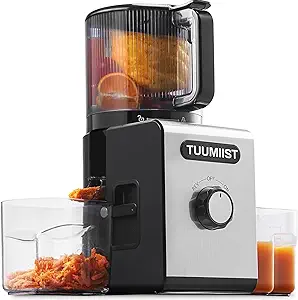 |
| Best Budget The cheapest option that still gets the job done reliably | Ama pear Cold Press Juicer |  |
| Top Rated A top-rated pick with lots of positive feedback | TUUMIIST Cold Press Juicer TM880SJ |  |
| Most Popular A crowd favorite that many people choose with confidence | Ninja NeverClog Cold Press Juicer JC151 |  |
| Best Seller A high-volume bestseller chosen again and again | EanOruus 3-in-1 Cold Press Juicer E-18 |  |
NAMA J2 Cold Press Juicer

| Capacity | 30 fluid ounces |
|---|---|
| Wattage | 200 watts |
| Power Source | Corded Electric |
| Voltage | 120 |
| Number of Speeds | 1 |
The NAMA J2 is a slow, single-auger cold press juicer built for hands-free juicing and higher yield with minimal pulp. Its self-feeding wide-mouth hopper lets you load a full recipe and walk away while the auger crushes and presses produce at low speed, which helps preserve nutrients and reduce foam and heat. The 200 W motor runs quietly at about 50 RPM and includes practical accessories: juice and pulp containers, coarse strainer, cleaning brush, and a pusher. Parts are made from stainless steel and Tritan and the unit disassembles for hand-washing; the design emphasizes easy rinsing and light scrubbing rather than dishwasher convenience. Expect consistently dry pulp and efficient extraction from leafy greens and softer fruits, though tougher root vegetables will benefit from pre-cutting for best throughput. The compact footprint makes it suitable for smaller kitchens but the single speed means you cannot adjust torque for different produce. For buyers who want steady cold-pressed juice with low pulp and simple cleanup, the J2 delivers reliable results without a steep learning curve.
Best for: Buyers who want a compact, hands-free cold-press juicer that consistently produces dry pulp and easy-to-drink juice without complicated settings.
Less Ideal for: People who need variable speed control or fully dishwasher-safe parts, or those who plan heavy commercial use.
- Hands-free self-feeding hopper for loading a whole recipe at once
- Low-speed masticating auger preserves nutrients and yields dry pulp
- Quiet 200 W motor suitable for regular home use
- Includes necessary containers, strainers, and a cleaning brush
- Stainless steel and Tritan parts designed for easy rinsing and light scrubbing
- Hand wash only parts; not dishwasher-safe
- Single speed limits control over different produce textures
Verdict: Choose the NAMA J2 if you want a compact, hands-off cold-press juicer that yields dry pulp and reliable nutrient-preserving juice with minimal fuss.
Omega VSJ843QS Cold Press Juicer

| Maximum Power | 150 watts |
|---|---|
| Power Source | Corded Electric |
| Voltage | 120 |
| Number of Speeds | 1 |
| Special Features | Pulp Control |
The Omega VSJ843QS is a compact vertical cold press juicer designed to squeeze maximum juice and nutrients from fruits and vegetables using a low 43 RPM speed and a 150 W motor with reduction gears. It uses a three-stage dual-edge auger and pulp-control system to break down fiber and produce a smoother, nutrient-dense juice while ejecting pulp automatically for batch juicing. The machine includes a no-drip tap and an auto-cleaning feature that helps keep the screen clear and reduces cleanup time, and most removable parts are dishwasher safe. Because it is a slow masticating extractor, expect quieter operation and less oxidation, which helps juice last longer. The unit is compact and vertical to save counter space, but its single speed design limits manual control over texture beyond the built-in pulp settings. It is best for regular juicers who value yield and nutrient retention rather than fast extraction or multi-speed customization.
Best for: Buyers who prioritize maximum juice yield, nutrient retention, and a drier pulp for regular cold-pressed juices and batch preparation.
Less Ideal for: People who need fast centrifugal juicing, variable speed control, or a very lightweight portable model should look elsewhere.
- Low 43 RPM masticating action preserves enzymes and reduces oxidation for longer-lasting juice
- Three-stage dual-edge auger delivers high juice yield and smoother texture with less pulp
- Automatic pulp ejection supports continuous batch juicing without frequent stops
- No-drip tap and vertical design reduce counter mess and save space
- Auto-cleaning function and dishwasher-safe parts simplify cleanup
- Single speed limits control over extraction texture and processing of very soft or specialty ingredients
- Relatively heavy and compact footprint may be less portable despite vertical layout
Verdict: Choose the Omega VSJ843QS if you want a cold-press juicer built for high yield and drier pulp with gentle, nutrient-preserving extraction.
TUUMIIST Cold Press Juicer TM-780SJ

| Special Features | 3-in-1 Versatility Juicer, No Mesh Filter, Overheat Protection, Whole Fruit Processing |
|---|---|
| Wattage | 350 watts |
| Voltage | 120 volts |
| Number of Speeds | 60 |
| Capacity | 3 liters |
The TUUMIIST TM-780SJ is a single-auger cold press juicer that focuses on high juice yield and convenience for everyday use. It accepts whole fruits through a 6.5-inch feed chute so you can skip much of the prep work, and the 350W motor runs at a slow 60 RPM to reduce heat and oxidation for fresher-tasting juice. The unit is pitched as a 3-in-1 machine with a single smart strainer that handles pure juice, nut milk, and fruit sorbet, which cuts down on part swapping and cleaning. Included accessories like a pulp cup, brush, hopper, and juice cup support hands-free batch juicing, and many removable components are dishwasher safe for faster cleanup. Practical safety features such as overheat protection are built in. Expect the juicer to be quieter and more nutrient-preserving than centrifugal models, but its slower extraction means longer run times for large batches and a modest 350W motor that may struggle with very hard items if overloaded. For steady daily juicing and occasional nut milk or sorbet, it balances yield and ease of use well.
Best for: Buyers who want efficient everyday juicing with minimal prep and easy cleanup, and who value higher juice yield and nutrient retention over fastest extraction speed.
Less Ideal for: Those who need very fast, high-volume juicing for commercial use or who routinely process extremely hard ingredients and want maximum motor power.
- Large 6.5-inch feed chute lets you juice many whole fruits with minimal cutting
- Slow 60 RPM extraction preserves nutrients and reduces oxidation for fresher juice
- 3-in-1 strainer supports juice, nut milk, and sorbet without frequent part changes
- Includes practical accessories and a pulp cup for hands-free batch juicing
- Overheat protection and stainless steel construction increase durability and safety
- 350W motor and slow extraction lead to longer processing times for large batches
- May require more effort or smaller pieces with very hard produce despite the large chute
Verdict: Choose this juicer if you want a practical, nutrient-focused cold-press machine that handles whole fruits and also makes nut milk or sorbet with minimal part swapping.
Ama pear Cold Press Juicer

| Maximum Power | 150 watts |
|---|---|
| Wattage | 150 watts |
| Power Source | ac |
| Voltage | 110 volts_of_alternating_current |
| Number of Speeds | 108 |
This Ama pear cold press juicer is a single-auger masticating machine built for home users who want high juice yield with minimal prep. It uses a low-speed, high-torque 150W brushless copper motor running at about 55 RPM to gently crush and squeeze produce, which produces smoother juice and relatively dry pulp. The generous 6-inch feed chute accepts many whole fruits and vegetables, cutting down prep time, and one-button operation with a reverse function helps clear jams. Cleanup is straightforward thanks to a removable strainer, simple part count, and included brush, and the unit operates quietly under 65 dB for morning use. Practical safety features include an auto-stop when the lid opens. Limitations include a modest 150W motor that may struggle with very fibrous or large batches compared with higher-end commercial units, and the plastic construction means buyers should expect consumer-grade durability rather than heavy-duty longevity.
Best for: Home cooks who want maximum juice yield from whole fruits and vegetables without spending much time on prep or cleaning and who prioritize quieter, efficient cold-press extraction on a budget.
Less Ideal for: Users who need a commercial-grade juicer for daily high-volume juicing or those who prefer metal-bodied, heavy-duty machines for long-term heavy use.
- 6-inch wide feed chute reduces chopping and speeds prep
- Slow masticating extraction yields drier pulp and smoother juice
- Quiet operation under 65 dB suitable for morning use
- One-button control with reverse function prevents and clears clogs
- Removable parts and cleaning brush make daily cleaning simple
- 150W motor is adequate for home use but not ideal for heavy commercial workloads
- Primarily plastic construction that may not match the longevity of metal-bodied models
Verdict: If you want a quiet, budget-friendly cold press juicer that delivers drier pulp and easy cleanup, this Ama pear masticating juicer is a sensible choice.
TUUMIIST Cold Press Juicer TM880SJ

| Capacity | 3 liters |
|---|---|
| Maximum Power | 350 watts |
| Wattage | 300 |
| Voltage | 120 volts_of_alternating_current |
| Number of Speeds | 60 |
The TUUMIIST TM880SJ is a slow masticating juicer designed to extract high juice yield with minimal prep. Its 6.5" wide chute lets you feed whole fruits and many vegetables without chopping, and the single-augur cold-press design squeezes produce slowly to reduce heat and oxidation for fresher juice and very dry pulp. The machine includes a large 100 oz hopper for batch juicing, a smart touch control panel with dedicated modes for juice, nut milk, and sorbet, and an auto-reverse feature plus overheat protection to handle tougher ingredients without frequent clogs. Practical touches include a metal-free filter mesh intended to be gentler to clean, dishwasher-safe parts, and a compact three-part assembly that rinses quickly. Expect a quiet motor operation under 60 dB, but note the spec list shows both 300 and 350 watts which suggests conservative power for very fibrous items like wheatgrass. For reliability-focused buyers the TM880SJ balances high yield and low oxidation with safety features and easy maintenance, though truly heavy commercial use may push its limits over time.
Best for: Buyers who prioritize consistent high yield and minimal oxidation for daily home juicing and who want a mostly hands-off batch workflow with simple cleaning and built-in jam protection.
Less Ideal for: Those seeking a lightweight travel or very compact countertop model or buyers needing continuous heavy commercial throughput should consider more purpose-built commercial machines.
- Large 6.5" feed chute reduces prep by accepting whole fruits and many vegetables
- High juice yield with slow cold-press masticating auger that produces very dry pulp
- Smart touch controls with modes for juice, nut milk, and sorbet for versatile use
- Auto-reverse and overheat protection reduce jams and extend motor life
- Dishwasher-safe, three-part design makes cleaning and reassembly quick
- Wattage listed inconsistently (300 vs 350) so performance on very fibrous produce may be modest
- Relatively heavy for a home unit which may be less convenient to move
Verdict: Choose the TUUMIIST TM880SJ if you want a reliable cold-press juicer that delivers very dry pulp and high juice yield with minimal prep and easy cleaning.
Ninja NeverClog Cold Press Juicer JC151

| Maximum Power | 150 watts |
|---|---|
| Number of Speeds | 2 |
| Capacity | 24 fluid ounces |
| Power Source | Corded Electric |
The Ninja NeverClog JC151 is a slow masticating cold press juicer designed to extract juice from fibrous fruits and vegetables with minimal clogging. It uses a 150-watt high-torque auger that rotates slowly to preserve nutrients and reduce foam while pushing juice into a 24 oz jug and collecting pulp in a 36 oz container. Two interchangeable pulp filters let you choose less pulp for smoother juice or lots of pulp for thicker, fiber-forward drinks, and a reverse function helps clear jams. The unit is compact enough for most countertops and includes dishwasher-safe juice-contact parts for easier cleanup. Practical benefits include consistent extraction from tough items like celery and kale, larger collection vessels for batch preparation, and an anti-drip lever to reduce mess when pouring. Expect some slowdown with very soft fruits and that full-size masticating units may yield more juice per pound, but the JC151 balances convenience, dry pulp performance, and straightforward maintenance for everyday juicing needs.
Best for: Buyers who prioritize reliable, low-foam cold-pressed juice and want social-proofed performance from a mainstream brand for regular home batches.
Less Ideal for: People who need the fastest commercial-level throughput or the absolute highest juice yield per pound for heavy daily juicing should consider larger masticating units.
- High-torque 150W motor extracts juice from fibrous produce with less clogging
- Two interchangeable pulp filters for customizable pulp level and drier pulp
- Large 24 oz juice jug and 36 oz pulp container allow batch juicing
- Dishwasher-safe juice-contact parts simplify cleanup
- 150W motor is lower power than some commercial masticating models, which can mean slower processing for large volumes
Verdict: Choose the Ninja JC151 when you want a countertop cold press juicer that reliably handles fibrous produce and produces drier pulp with easy cleanup.
EanOruus 3-in-1 Cold Press Juicer E-18

| Capacity | 100 fluid ounces |
|---|---|
| Maximum Power | 250 watts |
| Power Source | ac |
| Voltage | 110 volts |
The EanOruus E-18 is a single-auger masticating juicer designed for high-capacity home use and multi-function cooking tasks. It accepts large whole fruits through a 6.5-inch chute into a 100 oz hopper, so you can process multiple servings with less prep, and the single-gear auger extracts juice while producing relatively dry pulp. The included interchangeable strainers mean you can switch between juice, sorbet, and nut milk without buying extra attachments. A high-torque 250 W AC motor with auto-reverse and overheat protection is built for heavier daily use and helps reduce clogs. Removable parts are hand-wash only but are designed to be taken apart for cleaning, and a detachable pulp outlet simplifies waste removal. On the downside the unit is fairly heavy and requires bench space, and some parts are plastic which may feel less premium than metal alternatives. For buyers prioritizing consistent, dry-pulp extraction and the flexibility to make nut milk or sorbet, this model is a practical, no-frills choice.
Best for: Buyers who want reliable, low-waste juice extraction with the flexibility to make nut milk or sorbet and who prefer a sturdy, feature-complete machine they can run regularly without fuss.
Less Ideal for: Those seeking the lightest, most compact juicer for occasional small batches or who need fully dishwasher-safe components should consider other options.
- Extra-large 100 oz hopper reduces refills for batch juicing
- 6.5-inch wide chute accepts whole fruits to cut prep time
- Single-auger design yields higher juice extraction and drier pulp
- 250 W AC motor with auto-reverse and overheat protection for reliable heavy use
- Interchangeable strainers allow juice, nut milk, and sorbet from one machine
- Removable parts are plastic and hand-wash only rather than dishwasher-safe
- Relatively heavy and requires significant countertop space
Verdict: Choose the EanOruus E-18 if you want a high-capacity cold press juicer that delivers drier pulp and also makes nut milk and sorbet.
Choosing the Right Juicer with Dry Pulp: Key Factors to Consider
Extraction Efficiency and Pulp Dryness
How dry the expelled pulp is directly reflects how much juice the machine extracts. Drier pulp means you get more usable juice from the same amount of produce, which lowers recurring costs for frequent juicers.
Extraction method and internal geometry influence dryness. Machines that apply consistent pressure or use slow-turning augers often produce drier pulp from leafy greens and soft fruits, while high-torque motors help keep extraction effective with harder vegetables. Consider the types of produce you plan to juice most and prioritize models with proven dry-pulp performance for those items.
Motor Power, Speed, and Torque
A motor with adequate torque prevents stalling on hard produce and keeps extraction steady, which helps maintain pulp dryness across a variety of fruits and vegetables.
Higher RPMs are not always better for dryness; slower, high-torque systems can squeeze more liquid from fiber without introducing heat. Look for units specified for continuous duty and with thermal protection if you plan to do long juicing sessions or process root vegetables regularly.
Ease of Cleaning and Assembly
Regular cleaning is the main friction point for juicers. A design that disassembles easily and has accessible parts will save time and encourage daily use.
Parts that are dishwasher-safe or rinse-clean friendly reduce the burden of upkeep. Also consider how the machine handles leftover pulp. Models that expel pulp externally or have large pulp containers reduce interruption during batch juicing and lower the chance of clogging.
Feed Chute Size and Prepping Time
A wider feed chute reduces prep time because you can fit larger pieces of fruit or whole small fruits without chopping.
If you prefer minimal prep, look for machines with generous chutes. Conversely, smaller chutes can still work well if you value higher extraction per piece and do not mind cutting produce into smaller segments.
Build Materials and Long-Term Durability
Stainless steel components and rugged plastics resist wear from acidic juices and frequent assembly. Durable materials extend service life and maintain performance that yields drier pulp over time.
Check for corrosion-resistant mesh screens and replaceable wear parts. Units with warranty-backed spare parts availability reduce lifetime ownership risk.
Noise, Vibration, and Stability
Noise and vibration affect where and when you can comfortably use a juicer. Machines that vibrate or rattle may be less pleasant in small kitchens and can shift during operation, which can impair consistent extraction.
Look for models with low-noise ratings and rubber feet or other anti-vibration design elements. For early-morning juicing or open-plan living spaces, quieter operation can be a deciding factor.
Masticating Versus Centrifugal: What Drives Dry Pulp
Different extraction methods produce different pulp textures. Masticating or cold-press machines crush and shear fibers slowly, which often yields drier pulp for leafy greens and soft fruits. Centrifugal models rely on high-speed spinning and may leave wetter pulp in many cases, though some high-end centrifugal designs still achieve good dryness on certain produce.
Think about the balance between throughput and yield. If you prioritize maximum dryness and nutrient retention, slower, low-speed extractors are typically better. If you need faster batch processing, some faster models still offer acceptable pulp dryness but may require more frequent feeding and cleaning.
- Masticating: Better for leafy greens and tougher roots, usually dryer pulp.
- Centrifugal: Faster processing, variable pulp dryness depending on design.
- Hybrid designs: Aim to combine speed with good extraction, evaluate case by case.
How Produce Type Affects Outcomes
Not all ingredients yield the same amount of juice. Soft fruits like oranges and ripe tomatoes naturally release more liquid, while fibrous greens and carrots need more mechanical force to reach drier pulp. If your routine centers on a narrow set of produce, prioritize machines proven on that type.
If you plan mixed recipes, select a juicer that handles both soft and hard items without frequent clogging. Some juicers require alternating soft and hard items or adding water to flush the system, which can reduce overall efficiency.
- Leafy greens: Look for slow-extracting mechanisms and high torque.
- Citrus: Dedicated citrus presses or machines with citrus attachments perform best.
- Roots and hard veg: Require strong, continuous torque and robust screens.
Maintenance Tips to Keep Pulp Dryness Consistent
Regular maintenance keeps extraction consistent. Clean the mesh screen and cutting surfaces after each use to prevent clogging and buildup that reduces pressure and lowers yield. Replace worn screens as recommended because degraded meshes can let fiber through and cause wetter pulp.
Occasional deep cleaning and inspection of seals and gaskets prevents leaks and preserves suction. If you notice a drop in pulp dryness over time, check for dull blades, stretched seals, or clogged passages as likely causes.
- Rinse immediately after juicing to prevent pulp from hardening.
- Use a brush to clean fine mesh areas and avoid abrasive tools.
- Schedule part replacement per manufacturer guidance to retain performance.
Space, Storage, and Countertop Considerations
Juicers that produce very dry pulp are often larger due to more complex internal mechanics or bigger motors. Consider where the unit will live and whether you need a compact model for limited counter space. If storage is a concern, look for removable components that nest or a compact profile.
Also consider the pulp bin and juice container footprint. Larger pulp bins reduce interruptions for batch juicing, while integrated containers help keep the countertop tidy during use.
- Measure clearance for feed chute height and lid removal.
- Check for cord storage or compact feet for easier storage.
- Consider whether you want a unit designed for countertop permanence or cabinet storage.
Common Performance Tradeoffs
Increasing extraction efficiency often means slower processing and more complex cleaning. Faster machines save time but may not achieve the driest pulp across all produce types. Decide which tradeoff you accept based on frequency of use and how much prep or cleanup time you can invest.
Durability and power add weight and size. Lightweight, portable models can be convenient but might struggle with continuous or demanding juicing sessions. Match expectations for throughput, maintenance, and lifespan to your typical routine.
- Higher yield versus faster throughput is the main tradeoff.
- Better build materials usually mean heavier and less portable units.
- Simpler designs are easier to clean but might sacrifice maximum dryness.
How We Chose the Best Juicer with Dry Pulp
We focused on attributes that directly affect how much juice you extract and how easy the machine is to live with. Primary evaluation criteria included extraction efficiency, measured by how dry the expelled pulp is and how much liquid is recovered from standard produce. We also assessed motor durability and torque for demanding fruits and hard vegetables, since insufficient power can reduce yield and clog the unit. Ease of cleaning and maintenance was another priority because residual pulp increases downtime between uses. Materials and build quality informed our assessment of long-term reliability and resistance to wear. We considered noise output and vibration because quieter, steadier operation matters for everyday use. Units were excluded if their design emphasized convenience at the expense of pulp dryness, if they lacked a clear method to separate and expel drier pulp, or if they were intended solely for making smoothies rather than juice extraction. In short, we filtered for machines designed to prioritize extraction yield, reliable motors, manageable cleaning, and solid construction.
Our full evaluation process is outlined in our review methodology.
FAQ
Will a juicer with dry pulp extract more nutrients?
Often a drier pulp indicates more liquid and dissolved nutrients were extracted, but nutrient retention also depends on extraction heat and oxidation. Slow, low-heat extraction methods typically preserve more heat-sensitive vitamins than high-speed alternatives.
How do I tell if a juicer is producing truly dry pulp?
Inspect the expelled pulp after a standard batch. Drier pulp will be compact and crumbly rather than moist and slushy. Testing with the types of produce you plan to use is the most reliable check.
Can I juice leafy greens and hard vegetables with the same machine?
Yes, many juicers handle both, but performance varies. Machines with strong torque and slow extraction are generally best for leafy greens and hard roots. Some units may require alternating produce types or pre-chopping for efficient results.
How often should I clean the juicer to maintain pulp dryness?
Rinse and clean key components immediately after each use to prevent buildup that reduces extraction efficiency. Deep cleaning and part inspection every few weeks or after heavy use will help maintain consistent dryness.
Does a larger pulp bin mean better pulp dryness?
A larger pulp bin reduces the need to stop and empty during batch juicing, but bin size does not directly affect how dry the pulp is. Dryness is determined by extraction mechanics, not how much pulp the bin holds.
Final Verdict
Prioritize extraction efficiency, motor torque, and ease of cleaning when choosing a juicer with dry pulp. Think about the produce you use most and whether you value maximum yield or faster throughput. Durable materials and a design that is easy to maintain will keep pulp dryness consistent over time. Balance tradeoffs between speed, noise, and cleanup to find the right fit for your kitchen. Focus on the criteria outlined here to pick a machine that reliably leaves drier pulp and makes daily juicing practical.