
Note: This article contains affiliate links. If you click on these links and make a purchase, we may earn a small commission at no extra cost to you. This helps support our research and content. Read our full affiliate disclosure here.
When you need water that is safe to drink and tastes good, the right safe water filter matters more than you might think. A well-chosen unit removes key contaminants, reduces odors and off-tastes, and fits into your home routine without constant upkeep. This guide covers seven shortlisted safe water filters that excel in common household scenarios, from city tap treatment to well-water polishing. We evaluated each option using measurable criteria like contaminant removal efficiency, flow rate retention, and ongoing maintenance burden. Scroll on for our top picks and the factors that should drive your decision.
Top Picks at a Glance
| Best Overall The best all-around choice for most situations | Waterdrop WD-10UA Under Sink Filter | 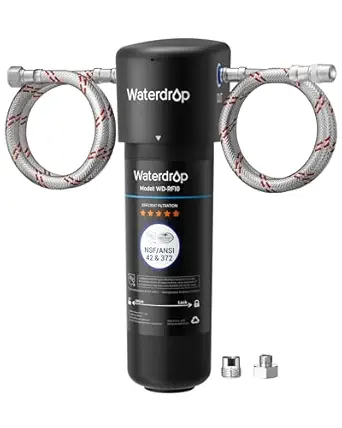 |
| Best Quality Built to a higher standard if you want something more solid | APEC Water ROES-50X Reverse Osmosis |  |
| Best Value The sweet spot between price and what you get | ZeroWater 23-Cup Water Dispenser |  |
| Best Budget The cheapest option that still gets the job done reliably | Brita Metro 6-Cup Pitcher |  |
| Top Rated A top-rated pick with lots of positive feedback | LifeStraw Personal Water Filter |  |
| Most Popular A crowd favorite that many people choose with confidence | Waterdrop Lucid Pitcher WD-PT-07B |  |
| Best Seller A high-volume bestseller chosen again and again | Camco TastePURE XL RV Water Filter |  |
Waterdrop WD-10UA Under Sink Filter

| Purification Method | Activated Carbon |
|---|---|
| Maximum Flow Rate | 2.5 gpm |
| Filter Life Cycle | 1 years |
| Supported Water TDS Level Maximum (PPM) | 700 |
| Power Source | Mechanical Water Pressure |
The Waterdrop WD-10UA is a compact under-sink filter designed for straightforward cold-water use in kitchens, bathrooms, RVs or small offices. It installs directly to a 3/8" supply with included fittings and uses an activated carbon cartridge to target chlorine, lead and PFAS contaminants while preserving beneficial minerals. The twist-and-lock housing and push-to-connect fittings make installation and cartridge changes fast, and the manufacturer rates the cartridge for up to 12 months of service on municipal water. Waterdrop highlights an upgraded filtration area to reduce clogging and a tested flow performance that keeps water delivery steady for everyday drinking and cooking. Important limits are that it is intended for cold, municipal supply only, is not suitable for well water or hot water, and replacement cartridges are required annually for continued contaminant reduction. For buyers wanting a compact, easy-to-install under-sink solution that focuses on chemical and heavy-metal reduction, this system is a practical choice.
Best for: Buyers who want a compact, easy-to-install under-sink filter that reduces chlorine, lead and PFAS while preserving beneficial minerals for everyday drinking and cooking.
Less Ideal for: Homes that rely on well water, need hot-water filtration, or require multi-stage filtration for bacteria or extremely fine particulates.
- NSF/ANSI certified components and targeted reduction of PFAS, PFOA/PFOS, lead and chlorine
- Twist-and-lock housing with push-to-connect fittings for quick installation and fast cartridge changes
- Long single-filter life rated up to 12 months on municipal cold water
- Compact design that fits under sinks and works in kitchens, bathrooms, RVs or small offices
- Designed only for cold, municipal water so it is not suitable for well water or hot water
Verdict: A compact, NSF-compliant under-sink carbon filter that delivers easy installation and year-long reduction of chlorine, lead and PFAS for everyday safe drinking water.
APEC Water ROES-50X Reverse Osmosis

| Filtration Method | Activated Carbon, Reverse Osmosis |
|---|---|
| Filtration Stages | 5-Stage |
| Capacity | 50 gallons |
| Power Source | Gravity Fed |
| Filter Life Cycle | 18 months |
The APEC ROES-50X is a top-tier five-stage reverse osmosis system meant for under-sink installation that delivers bottled-quality water at home. It uses three prefilters, an RO membrane, and a post-filter to reduce total dissolved solids and improve taste and odor, and includes an 11"x15" storage tank for steady flow at the faucet. The unit is WQA Gold Seal certified and ships with an extra pre-filter set to simplify routine replacements; prefilters generally last 6–12 months while the membrane and post-filter can last 12–24 months depending on feed water. Installation requires basic under-sink plumbing but the unit is removable and portable if you move. Practical benefits include high contaminant rejection typical of RO systems and a gravity-fed/powered configuration that avoids electrical connections. Trade-offs are typical for RO: it produces waste brine, requires periodic filter changes, and needs under-sink space for the chassis and tank. For buyers focused on performance and water purity, the system provides reliable, certified RO-level filtration with accessible maintenance options.
Best for: Buyers who prioritize the highest practical water-purity and certified contaminant removal for drinking and cooking and are prepared to perform regular filter maintenance.
Less Ideal for: People who cannot accommodate under-sink installations, want a zero-waste solution, or prefer a maintenance-free countertop filter.
- Five-stage filtration including prefilters, RO membrane, and post-filter for strong contaminant rejection
- WQA Gold Seal certification indicating tested material safety and contaminant rejection
- Includes extra pre-filter set to simplify maintenance and extend membrane life
- Comes with storage tank for steady faucet flow
- No electrical power required for operation
- Produces wastewater as part of the RO process
- Requires under-sink space and basic plumbing for installation
- Periodic replacement of multiple filters is needed to maintain performance
Verdict: If you want certified, high-performance under-sink water purification for drinking and cooking, this five-stage RO system delivers reliable bottled-quality water at home.
ZeroWater 23-Cup Water Dispenser

| Capacity | 5.4 liters |
|---|---|
| Purification Method | Ion Exchange |
| Power Source | Manual/Gravity-fed |
| Included Components | 23-Cup Dispenser, 5-Stage Filter, TDS Meter |
| Certification | IAPMO certified to reduce lead, PFOA/PFOS, chromium, mercury |
The ZeroWater 23-Cup Water Dispenser is a gravity-fed countertop unit that filters tap water through a 5-stage ion exchange cartridge and provides a large reservoir for home or small-office use. It is typically used for daily drinking water and filling bottles, using Ready-Pour technology to allow dispensing while the reservoir continues to filter. The built-in TDS meter and change-filter indicator let you monitor water purity and know when to replace the cartridge, and the filter is IAPMO certified to reduce lead, PFOA/PFOS, chromium and mercury. The dispenser is manual so it needs no power and the ergonomic handle plus spigot make pouring easy, but the plastic construction and single-brand filter compatibility mean you will be buying replacement cartridges from the same system. Capacity and the included TDS meter make it a practical choice for households that want measurable, low-TDS water without installing under-sink equipment, while heavier contaminants or large-scale household needs may call for different systems.
Best for: Buyers who prioritize measurable, low-TDS drinking water for a household or small office and want an easy, no-plumb countertop solution with clear filter-change feedback.
Less Ideal for: People needing whole-house filtration, high flow for cooking and bathing, or who prefer systems compatible with third-party cartridges should look elsewhere.
- Large 23-cup reservoir suitable for families or shared kitchens
- Certified 5-stage filtration reduces lead, PFOA/PFOS, chromium and mercury
- Included TDS meter and change-filter indicator let you monitor filter performance
- Manual gravity-fed design requires no electricity and is simple to use
- Replacement filters are brand-specific which can add recurring cost
- Made of plastic which may feel less durable than glass or metal alternatives
Verdict: A practical countertop choice for buyers who want certified, measurable low-TDS drinking water without plumbing or electricity.
Brita Metro 6-Cup Pitcher

| Filter Life Cycle | 2 months |
|---|---|
| Supported Water TDS Level Maximum (PPM) | 500 |
| Maximum Flow Rate | 9.7 milliliters_per_second |
| Power Source | No Power Source |
The Brita Metro 6-cup pitcher is a straightforward countertop water filter designed for everyday use in small kitchens, dorms, or offices. You fill the top reservoir and water passes through a standard Brita filter that is certified to reduce chlorine taste and odor plus certain heavy metals like copper, mercury, and cadmium. The SmartLight filter change indicator times filter life to about 40 gallons or roughly two months for average use, which helps avoid guessing when to replace cartridges. Its slim, fridge-door-friendly shape and easy-fill lid make refilling convenient, and the included Standard filter is compatible with other Brita pitchers. Expect noticeably better tasting tap water and fewer single-use bottles when you use it regularly. Limitations are the small 6-cup capacity, which means more frequent refills for larger households, and plastic construction that is functional but not premium. The pitcher also does not use electricity or advanced multi-stage electronics, so it is a simple passive filter rather than a whole-house or faucet-mounted system.
Best for: Buyers who want an affordable, no-frills way to improve tap water taste and reduce select contaminants for one to two people or for a dorm or office setting.
Less Ideal for: Households that need high daily filtered volume, point-of-use systems with faster flow, or whole-house contaminant removal should consider larger or more advanced filtration options.
- WQA NSF/ANSI certified to reduce chlorine taste and certain heavy metals
- SmartLight indicator signals when the filter needs replacement
- Slim, space-saving design fits most fridge doors and mini-fridges
- Standard filter compatibility lets you use widely available replacement cartridges
- Small 6-cup capacity requires frequent refills for families
- Plastic construction is functional but not premium in feel
Verdict: A budget-friendly, fridge-friendly pitcher that reliably improves tap water taste and reduces select contaminants for small households.
LifeStraw Personal Water Filter

| Material Type | Plastic |
|---|---|
| Model Number | LSPHF038 |
| External Testing Certification | NSF |
| Unit Count | 1 Count |
| Item Weight | 0.04 kg |
The LifeStraw Personal Water Filter is a simple, ultralight straw you can use to drink directly from lakes, rivers, streams or from a filled container when camping, hiking, traveling or in emergencies. Its hollow-fiber microfiltration membrane blocks bacteria, parasites and microplastics while reducing turbidity so water tastes and looks cleaner without chemicals or batteries. It is rated to provide up to 4,000 liters (about 1,000 gallons) of water with proper use and meets NSF/EPA testing protocols, which makes it a dependable backup in a survival kit or a daily tool on the trail. The design is compact, easy to carry and requires no setup, but it does not remove viruses or chemical contaminants and you must avoid freezing or long-term storage of contaminated water inside the unit. For routine use you will need to replace it after its rated capacity is reached, and the straw format is best for single-person drinking rather than refilling large groups quickly.
Best for: Buyers who prioritize a proven, maintenance-light way to get safe water in outdoor, travel, and emergency situations and want a reliable, standards-tested filter they can carry on every trip.
Less Ideal for: People who need to treat water for large groups, remove viruses or chemical contaminants, or who want a hands-free gravity or pump system for frequent high-volume use.
- Ultralight, compact straw design for direct drinking in the field
- Removes 99.9999% of bacteria and 99.999% of parasites per tested microfiltration membrane
- Filters microplastics and reduces turbidity for clearer tasting water
- Long usable lifetime rated up to 4,000 liters without power or consumables
- Does not remove viruses or chemical pollutants
- Straw form is primarily for individual use and slower than pump or gravity systems
Verdict: Choose the LifeStraw when you need a lightweight, laboratory-tested personal filter that reliably delivers clean drinking water on the trail or in an emergency.
Waterdrop Lucid Pitcher WD-PT-07B

| Capacity | 2.4 liters |
|---|---|
| Filter life cycle | 200 gallons / 3 months |
| Purification method | Activated Carbon |
| Maximum flow rate | 0.5 gpm |
The Waterdrop Lucid WD-PT-07B is a compact 10-cup pitcher that uses a 5-stage activated carbon filter to reduce chlorine, certain heavy metals, and select organic contaminants while leaving TDS unchanged. You fill the reservoir and the hands-free lid dispenses filtered water without lifting the cover, which helps keep the spout clean and makes pouring simple. The included filter is rated for about 200 gallons or roughly three months of typical use and the LED indicator tracks filter life so you know when to replace it. Because it is non-electric and slim enough for most refrigerator doors, it is convenient for everyday drinking water, coffee, and tea. Limitations: it will not lower total dissolved solids and replacement filters are model-specific, so you should confirm filter compatibility before buying. The pitcher is best for people who want an easy, low-maintenance step up from tap water without complex installation.
Best for: Buyers who prioritize proven contaminant reduction and verified certifications and want a simple, low-effort pitcher for daily drinking water in kitchens, dorms, or offices.
Less Ideal for: Users seeking significant TDS reduction, mineral removal, or whole-house filtration should look at other technologies or systems designed for those goals.
- NSF/ANSI 42 and 372 certified for reduction of chlorine, certain metals and odor
- Long filter life rated at ~200 gallons or 3 months for less frequent cartridge changes
- Hands-free lid design that dispenses without opening to reduce dust and simplify pouring
- Slim, refrigerator-friendly shape for countertop storage and fridge doors
- LED indicator to monitor filter usage and remind when to replace
- Does not reduce total dissolved solids (TDS) so it will not lower mineral content or hardness
- Replacement filters are model-specific requiring correct PF-01A / WD-PF-01A part selection
Verdict: Choose this pitcher if you want a compact, NSF-certified countertop pitcher that reliably improves taste and reduces chlorine and select metals with minimal fuss.
Camco TastePURE XL RV Water Filter

| Model Number | 40019 |
|---|---|
| Material Type | Kinetic Degradation Fluxion |
| Included Components | (1) Camco TastePURE XL RV Water Filter |
| External Testing Certification | ANSI |
| Product Benefits | Removes Impurities |
The Camco TastePURE XL is an inline water filter designed for RVs and outdoor use that attaches between a standard garden or drinking hose and your freshwater inlet. It uses an expanded, six-step Hex-Flow filtration system with GAC and KDF media plus a 20-micron sediment stage to reduce chlorine taste and odor, sediment, and to help control bacteria and mold during storage. The wide-body design aims to keep flow rates high so filling tanks, washing, or watering remain practical while still delivering improved taste. Included flexible hose protector helps prevent kinks and reduces strain at the connection, which is handy when working with longer hose runs. The filter is made in the USA and carries ANSI testing/listings that back its lead-free and performance claims. Limitations are typical of single-cartridge inline units: it will eventually need replacement cartridges and it is sized for RV and outdoor use rather than whole-house or ultra-fine filtration needs.
Best for: Buyers who prioritize tried-and-tested safety and clear certification for campsite or boat freshwater hookups and want a higher-capacity inline filter that preserves flow while improving taste.
Less Ideal for: People seeking whole-house filtration, ultrafine filtration for chemical contaminants, or continuous municipal-level treatment should choose a different system.
- Six-step Hex-Flow filtration combining GAC, KDF and sediment stages for broad contaminant reduction
- Larger XL body provides higher capacity and maintains good water flow
- ANSI/NSF-listed testing and lead-free certification for safety assurance
- Made in the USA with a included flexible hose protector to reduce kinks and connection strain
- Not a replacement for point-of-entry or medical-grade purification systems; cartridge replacement required over time
- 20-micron sediment stage will not remove very fine particulates or dissolved contaminants
Verdict: If you want a certified, heavy-duty inline RV filter that improves taste and maintains flow for campground and marine hookups, this XL Camco unit is a reliable choice.
Choosing the Right Safe Water Filter: Key Factors to Consider
Contaminant Coverage
Different safe water filters target different contaminants such as chlorine, particulate matter, lead, volatile organic compounds, bacteria, or cysts. Knowing which specific contaminants are present or likely in your source water guides the choice. For municipal tap water, expect filters that reduce chlorine taste and common chemical byproducts, while well water often requires attention to sediments, iron, and microbial risks.
Choosing a filter with independent test data or certifications for the contaminants you care about reduces uncertainty. If your local water report flags a specific issue, match the filter media and certifications to that problem rather than choosing based on general claims.
Flow Rate and Household Demand
Flow rate determines how well a filter keeps up with typical usage, from drinking and cooking to filling pitchers. Filters with low flow can create frustration and lead to bypassing the system. Look at rated gallons per minute and throughput before replacement.
Consider peak usage patterns in your home. A system that works fine for a single person may underperform for a family. Some filters maintain high removal rates only at low flow, so verify performance curves if available.
Filter Life and Replacement Frequency
Filter longevity affects both convenience and cost of ownership. Short-life cartridges require frequent replacement and increase ongoing maintenance hassle, while long-life media can reduce interruptions but may cost more upfront. Consider whether replacements are easy to install and widely available.
Also check how the filter signals end of life. Some units rely on calendar-based schedules, others on flow meters or pressure indicators. For safety-related filtration, timely replacement is important to avoid diminished performance.
Installation and Compatibility
Filters come in countertop, under-sink, inline, and whole-house formats, each with different installation complexity. Under-sink or inline installations typically require basic plumbing skills and a compatible space under the sink. Countertop and pitcher-style units need minimal setup but may offer narrower contaminant coverage.
Think about available space, whether you want a permanent or portable solution, and whether you prefer a system that can be installed without a technician. Compatibility with existing faucets or plumbing fittings reduces additional parts and hassle.
Certifications and Testing
Certifications from recognized testing organizations provide objective evidence that a filter reduces specific contaminants to stated levels. Common certifications focus on structural safety, contaminant reduction claims, and material safety. Filters without testing claims can still be effective, but certifications make performance easier to compare.
Review the scope of any certification carefully, since some tests cover only a subset of contaminants. Match certifications to your priority contaminants rather than assuming a single certification implies comprehensive protection.
Ongoing Maintenance and Ease of Use
Maintenance includes cartridge changes, cleaning, and occasional sanitizing. Ease of access to cartridges and simple replacement steps reduce the chance of incorrect servicing. Some systems have washable pre-filters that extend cartridge life and reduce cost.
Also consider indicators or reminders for replacement, availability of replacement parts, and whether the unit requires periodic flushing or sanitization. Simpler maintenance routines increase the likelihood the system will be kept in proper working order.
What Different Filter Media Do
Filter media determine the range of contaminants a unit can address. Activated carbon excels at removing chlorine, organic taste and odor compounds, and many volatile organic compounds. Ceramic and mechanical filters are effective at trapping sediments, cysts, and particulates. Ion-exchange resins handle hardness and certain heavy metals, while specialty media can target arsenic or nitrates.
Many systems combine media types to broaden coverage. When evaluating options, check the media list and look for independent test data that shows performance for the contaminants you care about.
- Activated carbon: removes chlorine and improves taste
- Ceramic/mechanical: traps particulates and cysts
- Ion exchange: reduces hardness and some metals
- Specialty media: designed for specific contaminants like arsenic
Sizing a System for Your Home
Match the system capacity and flow rating to your household size and usage. Countertop or pitcher units are suitable for individual drinking needs, while under-sink units can serve kitchen demands. Whole-house systems handle all taps but require professional-level sizing and installation.
Also consider cartridge throughput in gallons before replacement to estimate annual servicing. If you have high sediment levels, you may need a pre-filter to protect the main cartridge and extend service life.
- Estimate daily water used for drinking and cooking
- Compare cartridge throughput to expected annual usage
- Plan for pre-filtration in sediment-heavy supplies
Maintenance Best Practices
Follow the manufacturer's replacement intervals and perform any recommended sanitizing to prevent biofilm buildup. For units with mechanical pre-filters, rinse or replace these regularly to avoid clogging the main media. Record replacement dates so you do not rely on memory.
If your system includes a pressure or flow indicator, use it to detect clogged filters before water quality is affected. Keep replacement cartridges on hand to avoid prolonged use of an expired filter.
- Track cartridge change dates and keep spares
- Sanitize housings periodically for long-term hygiene
- Use pre-filters to extend main cartridge life
Testing and Verifying Water Quality
Test your source water before and after installing a filter to understand both the initial issues and the filter's effectiveness. Basic test kits can check for chlorine, hardness, and common metals. For more comprehensive concerns, use a certified laboratory.
Periodic testing helps ensure the system continues to meet expectations and can alert you to shifts in source water quality that may require different media or additional treatment.
- Start with a source water test to identify priorities
- Use lab testing for suspected heavy metal or microbial issues
- Re-test after installation to confirm performance
Portability Versus Permanence
Portable units such as pitchers or countertop filters are convenient for renters or for use in multiple locations. They require no plumbing modifications but generally offer narrower contaminant coverage. Permanent under-sink or embedded systems deliver broader treatment and higher throughput but require a semi-permanent installation.
Decide whether you prefer a portable solution that travels with you or a permanent installation optimized for household integration.
- Portable: easy setup, limited contaminant coverage
- Permanent: higher capacity and broader media options
- Weigh portability needs against treatment requirements
How We Chose the Best Safe Water Filter
We focused on practical, measurable criteria that matter for household water safety. First, we prioritized verified contaminant removal efficiency for common health and nuisance contaminants, using third-party or manufacturer-stated test standards as a baseline. Second, we looked at flow rate and throughput so the filter performs well under typical home demand without excessive pressure loss. Third, long-term maintenance and filter life were assessed to estimate upkeep frequency and replacement costs. Fourth, we considered installation flexibility and compatibility with common plumbing or countertop setups to match varied home environments. Finally, we evaluated build quality and materials to reduce the risk of premature failure or contamination from the device itself. We excluded systems that are designed solely for emergency use, single-use disposable pitchers with no third-party testing, and devices that require specialized professional-only installation. Our shortlist favors filters that balance demonstrable contaminant reduction, real-world flow performance, and manageable maintenance schedules so buyers can choose confidently based on their water quality concerns and household needs.
Our full evaluation process is outlined in our review methodology.
FAQ
How do I know which contaminants my water has?
Start with a municipal water quality report if available or use a home test kit for common parameters like chlorine, hardness, and lead. For complex concerns or unexpected results, send a sample to a certified lab for a detailed analysis.
Can one filter remove all contaminants?
No single filter covers every possible contaminant. Systems that combine multiple media can address a broad range, but you should match the system's certified reductions to the specific contaminants found in your source water.
How often should I replace filter cartridges?
Replacement frequency depends on cartridge throughput, source water quality, and household usage. Many cartridges are rated in gallons; divide that rating by your estimated annual usage to plan replacements. Check for indicators or calendar reminders to avoid overdue changes.
Are countertop and pitcher filters effective for well water?
Countertop and pitcher filters can improve taste and remove some particulates, but they may not be adequate for well-water issues like microbial contamination, heavy metals, or high iron. For well water, consider systems designed for the specific contaminants present.
Do certifications matter when choosing a filter?
Yes. Certifications from recognized testing organizations provide objective evidence for specific contaminant reductions. Review the scope of any certification to ensure it covers the contaminants you need removed.
Final Verdict
Choosing a safe water filter means balancing the contaminants you need reduced, the flow and capacity required by your household, and the level of maintenance you are willing to perform. Prioritize verified contaminant coverage and realistic filter life estimates, and size the system to your daily demand. If you test your source water first and match the filter media and certifications to your priorities, you can select an option that delivers reliable, low-maintenance safe water for everyday use.