
Note: This article contains affiliate links. If you click on these links and make a purchase, we may earn a small commission at no extra cost to you. This helps support our research and content. Read our full affiliate disclosure here.
If you are shopping for a budget-friendly sewing machine under $150, getting the right features matters for everyday sewing tasks. A capable machine makes hemming, mending, and simple garment projects faster and neater, while a poor choice adds frustration and extra adjustments. This guide shortlists the top picks for home sewing under $150 and explains the practical tradeoffs to expect. We evaluate machines on stitch quality, ease of use, and build features so you can pick the model that best fits the projects you plan to tackle.
Top Picks at a Glance
| Best Overall The best all-around choice for most situations | Janome Purple Majesty 311 |  |
| Best Quality Built to a higher standard if you want something more solid | SINGER M3330 Sewing Machine |  |
| Best Value The sweet spot between price and what you get | Janome Arctic Crystal 001crystal |  |
| Top Rated A top-rated pick with lots of positive feedback | Brother XM2701 Sewing Machine |  |
| Most Popular A crowd favorite that many people choose with confidence | Magicfly Mini Sewing Machine MF600 |  |
| Best Seller A high-volume bestseller chosen again and again | Brother XM3700 Sewing Machine |  |
Janome Purple Majesty 311

| Built-in stitches | 15 |
|---|---|
| Buttonhole | 4-step |
| Power Source | ac_dc |
| Material | Metal, Plastic |
| Weight | 13 pounds |
The Janome Purple Majesty 311 is a straightforward, user-friendly mechanical sewing machine aimed at beginners and hobby sewists. It provides 15 built-in stitches, adjustable stitch length and width, and a 4-step buttonhole that make common tasks like hemming, mending, simple garment construction, and light quilting easy to accomplish. The 3-piece feed dog and free-arm design help fabrics feed evenly, which reduces puckering on lightweight to medium-weight fabrics. The machine ships with four presser feet and basic accessories so you can start projects right away, and the interior metal frame gives added stability for more consistent stitching. Practical trade-offs include its manual 4-step buttonhole instead of an automatic one and a modest stitch selection compared with computerized machines, so it is less suited for heavily technical or high-volume production work. Its compact, 13-pound footprint makes it easy to store or take to classes but limits large-batch or heavy-duty uses. For easy setup, everyday sewing, and learning the basics, this Janome covers the essentials reliably.
Best for: Buyers who want an affordable, easy-to-use machine for learning to sew and handling everyday sewing tasks like clothing repairs, home decor projects, and light quilting.
Less Ideal for: Sewists who need advanced computerized features, extensive decorative stitch libraries, or a machine built for heavy industrial-style sewing should look at higher-end models.
- Beginner-friendly controls and quick setup make first projects approachable.
- 15 built-in stitches plus adjustable stitch width and length cover common household and craft needs.
- 3-piece feed dog and free-arm design improve fabric handling for smoother seams.
- Interior metal frame adds stability for more consistent stitching quality.
- Includes four presser feet and basic accessories so you can start sewing out of the box.
- No automatic one-step buttonhole; uses a manual 4-step buttonhole process.
- Limited stitch variety compared with computerized models, so fewer decorative or specialty stitches.
Verdict: A compact, beginner-oriented mechanical machine that reliably handles everyday sewing projects while keeping setup and use simple.
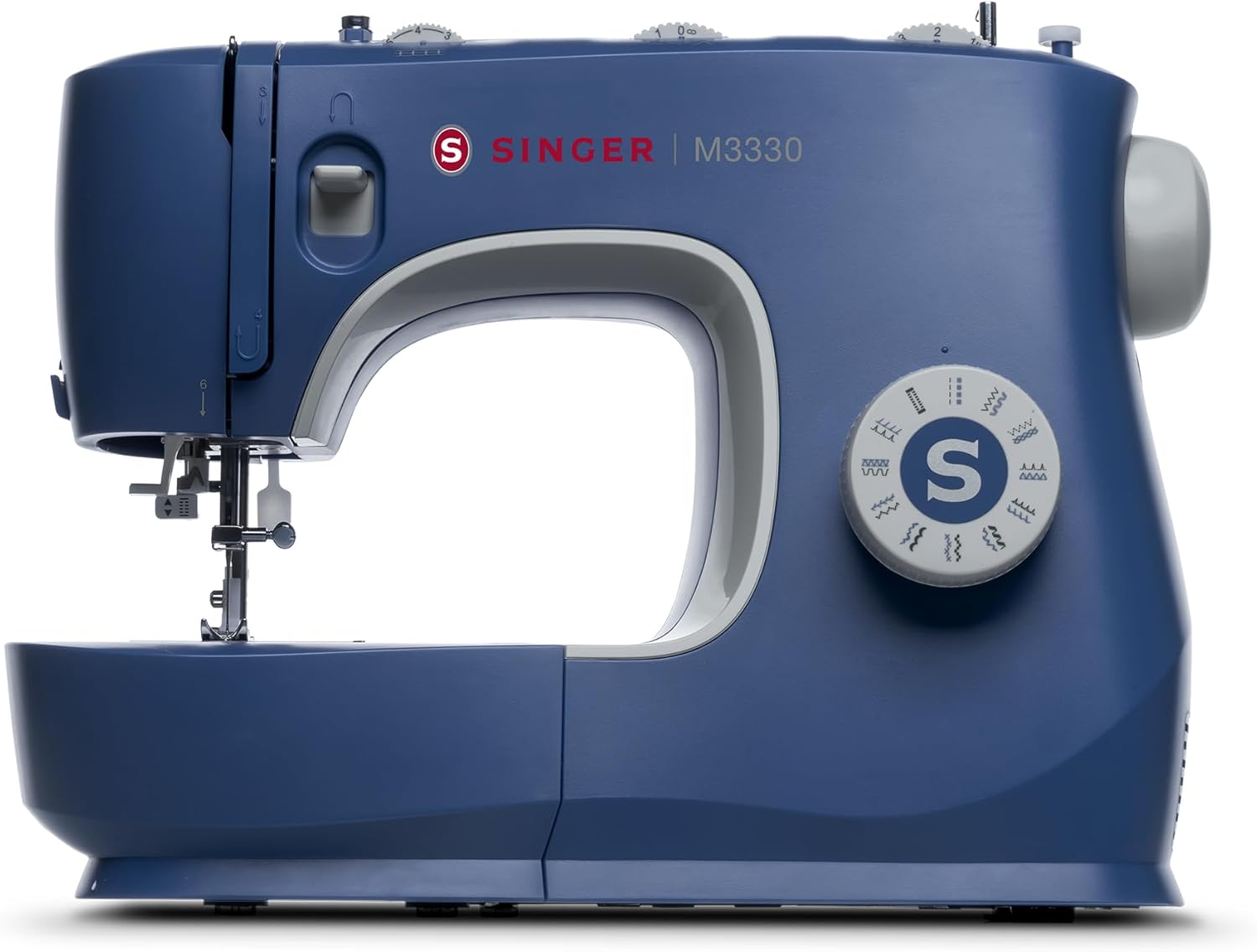
SINGER M3330 Sewing Machine
| Power Source | Corded Electric |
|---|---|
| Included Components | Accessory Kit, 4 Presser Feet |
| Stitch Applications | 97 |
The SINGER M3330 is a corded mechanical sewing machine that targets home sewers who want straightforward, reliable performance. It offers 23 built-in stitches that translate into 97 stitch applications, a one-step buttonhole, and adjustable stitch length and width so you can tackle repairs, garment construction, and decorative sewing. Practical touches like a built-in needle threader, front-loading bobbin, snap-on presser feet, free arm and bright LED light make setup and routine tasks faster and less fiddly. The heavy-duty metal frame gives the machine stability for longer sewing sessions and slightly thicker fabrics, while the included accessory kit provides common presser feet and spare bobbins to get started immediately. Being mechanical, it lacks computerized stitch memory and some automation found on higher-end machines, so advanced pattern editing or auto-tension adjustments are not available. For stitch variety, dependable basic performance, and a solid build under $150, it is a practical choice for hobbyists and performance-minded beginners.
Best for: Buyers who want reliable, hands-on sewing performance and stitch variety without paying for computerized features, especially hobbyists focused on consistent results and build quality.
Less Ideal for: Sewers who need advanced computerized features, pattern programming, or automatic tensioning for intensive professional work should consider higher-end models.
- Wide stitch range: 23 stitches yielding 97 applications for versatile use
- Sturdy metal frame improves stability for longer sessions and heavier fabrics
- Beginner-friendly features like built-in needle threader and one-step buttonhole
- Includes useful accessory kit with multiple presser feet and spare bobbins
- Mechanical controls only, no computerized stitch editing or memory
- No automatic tension or advanced automation for complex sewing tasks
Verdict: A sturdy, performance-oriented mechanical machine that delivers broad stitch options and dependable home-sewing capability under $150.
Janome Arctic Crystal 001crystal

| Stitches built-in | 15 |
|---|---|
| Buttonhole | 4-step |
| Power source | Corded Electric |
| Frame | Interior metal frame |
The Janome Arctic Crystal is a simple, user-friendly mechanical sewing machine built for hobbyists and beginners who want reliable results without a steep learning curve. It offers 15 built-in stitches, adjustable stitch length and width, and a 4-step buttonhole, which cover common tasks like hemming, garment repairs, patchwork, and light quilting. The three-piece feed dog and free-arm design help fabrics feed smoothly, so layered pieces and small tubes like sleeves are easier to manage. The interior metal frame gives the machine extra stability compared with typical entry-level plastics, and snap-on presser feet plus an extra-high foot lift make switching tasks faster. It is compact and portable, so storage and transport to classes is straightforward. Limitations are its mechanical controls and 4-step buttonhole, which are less convenient than computerized one-step systems, and the feature set is oriented to basic to intermediate projects rather than heavy industrial sewing or very thick leather work.
Best for: Buyers who want a durable, no-frills sewing machine that handles everyday sewing, garment repairs, and light quilting without extra complexity or cost.
Less Ideal for: If you need one-step buttonholes, advanced computerized stitch programming, or a machine for heavy-duty leather and thick multi-layered upholstery, choose a different model.
- Beginners-friendly setup with clear controls and tutorial resources
- 15 built-in stitches plus adjustable stitch length and width for common sewing tasks
- Interior metal frame that improves steadiness during sewing
- Three-piece feed dog and free-arm design for smoother fabric handling and small projects
- Compact and lightweight for easy storage and transport
- Uses a 4-step buttonhole rather than an automatic one-step buttonhole
- Mechanical features limit advanced automation and precision compared with computerized machines
Verdict: A sturdy, beginner-focused sewing machine that delivers reliable everyday sewing and light quilting at an affordable, practical price.
Brother XM2701 Sewing Machine

| Built-in stitches | 27 |
|---|---|
| Power source | Corded Electric |
| Input voltage | 120 volts |
| Included feet | 6 |
The Brother XM2701 is a straightforward, mechanically controlled sewing machine aimed at beginners and home sewers. It provides 27 built-in stitches including utility, decorative, and quilting options plus an automatic one-step buttonholer, and it uses dial controls for stitch selection, length, and width. Practical touches like an automatic needle threader, jam-resistant drop-in top bobbin, automatic bobbin winder, built-in LED light, free arm for cuffs and sleeves, and six quick-change presser feet make common tasks—hemming, sewing zippers, buttonholes, and basic quilting—easy and reliable. Its lightweight, portable design and included accessory pack help you get started without buying extras. As a mechanically driven machine, it lacks computerized stitch programming and very high-speed or heavy industrial capability, so it is best for everyday sewing, alterations, and craft projects rather than sustained heavy-duty leather or multi-layer industrial sewing. For reliability-focused buyers the XM2701 offers proven, simple mechanics and user-friendly features that reduce jams and threading errors.
Best for: Buyers who want a reliable, easy-to-use machine that covers everyday sewing, basic garment work, and beginner quilting without a steep learning curve.
Less Ideal for: Users needing computerized features, large-scale quilting workflows, or heavy industrial sewing should consider a more advanced or specialized machine.
- 27 built-in stitches plus one-step auto buttonholer for versatile home projects
- Automatic needle threader and drop-in bobbin reduce setup time and eye strain
- Six included presser feet and free arm make hems, zippers, and button sewing easier
- Built-in LED light brightens the work area for precise stitching
- Mechanical controls limit advanced stitch programming and custom stitch storage
- Not designed for prolonged, heavy-duty sewing on very thick materials
Verdict: A dependable, beginner-friendly mechanical machine that delivers reliable everyday sewing features under $150.
Magicfly Mini Sewing Machine MF600

| Power Source | Battery Powered |
|---|---|
| Model Number | MF600 |
| Item Type Name | Mini Portable Sewing Machine |
The Magicfly MF600 is a small, entry-level sewing machine designed for simple repairs, quick hemming, and basic craft projects. It runs on AC/DC or batteries and can be operated with the included foot pedal or by pressing a button, which makes it portable for use away from a dedicated sewing table. Key conveniences include a built-in light for working on dark fabrics, a two-speed control to match the stitch speed to the task, and an extension table plus a substantial beginner kit with bobbins, needles, threader, scissors, and other accessories. The machine offers a single fixed stitch and lacks reverse stitching and advanced adjustments, so it is best for straight seams and simple mending rather than tailoring or heavy fabrics. Plastic construction keeps weight down and makes it easy to move, but that also limits durability under heavy, continuous use. For someone testing sewing skills or needing a compact, inexpensive machine for occasional household tasks, the MF600 covers essentials; serious hobbyists or frequent sewists will outgrow its limited stitch options and build.
Best for: Buyers looking for an inexpensive, portable machine to learn basic sewing, do simple mending, or tackle small craft projects and who value included accessories and ease of use.
Less Ideal for: Sewists who need multiple stitch types, reverse sewing, strong metal construction, or a machine built for frequent use and heavier fabrics should consider more robust models.
- Dual power operation for AC/DC or battery use adds portability
- Two-speed control lets beginners adjust stitching pace
- Includes extension table and a comprehensive beginner sewing kit
- Built-in light improves visibility for small or dark projects
- Only a single fixed stitch with no reverse function limits garment work
- Plastic construction is less durable for heavy or continuous sewing
Verdict: A compact, battery-capable beginner machine that delivers basic sewing and portability with a large starter kit, making it a practical first machine under $150.
Brother XM3700 Sewing Machine

| Built-in stitches | 37 |
|---|---|
| Buttonholes | 1 one-step auto-size |
| Power source | Corded Electric |
| Input voltage | 120 volts |
The Brother XM3700 is a straightforward, easy-to-use mechanical sewing machine aimed at beginners and casual sewers. It offers 37 built-in stitches printed on the front for quick selection via a dial, a one-step auto-size buttonhole, an automatic needle threader, and a top drop-in bobbin that reduces jams. The machine converts to a free arm for cuffs and sleeves and includes five useful presser feet plus basic accessories to get started right away. The built-in LED light brightens the work area and the clear-view bobbin makes it simple to see thread levels. Because it is a corded 120V mechanical model, the XM3700 keeps controls simple and reliable but lacks advanced computerized features like an LCD stitch editor or speed control presets. For buyers focused on dependable, no-frills sewing for garments, hemming, and light quilting, it covers the essentials with a low learning curve, though advanced sewists may find the stitch selection and features limiting over time.
Best for: Buyers seeking a reliable, easy-to-learn machine for everyday sewing, basic garments, home sewing projects, and learning new skills who prefer simple, dependable controls.
Less Ideal for: Experienced sewists who need computerized stitch customization, heavy-duty performance, or extensive quilting features should consider higher-end models.
- 37 built-in stitches with dial selection for quick, intuitive use
- One-step auto-size buttonhole and automatic needle threader simplify common tasks
- Free arm converts for sewing cuffs, sleeves, and small cylindrical items
- Includes five presser feet and starter accessories so you can begin projects immediately
- Top drop-in bobbin and clear-view cover help prevent and spot thread jams
- Mechanical controls lack advanced computerized features and fine stitch programming
- Not intended for heavy-duty or industrial sewing tasks
Verdict: A straightforward, beginner-friendly machine that delivers dependable, no-frills sewing for everyday projects under $150.
Choosing the Right Sewing Machine: Key Factors to Consider
Stitch Options and Flexibility
The variety of built-in stitches affects what projects a sewing machine can handle. A basic set should include straight and zigzag stitches plus a few stretch or blind-hem options to finish garments neatly.
If you plan to work on lightweight knits or slightly thicker fabrics, look for a machine with adjustable stitch length and width. These controls let you fine-tune stitch density so seams sit flat and seams do not pucker. In the under $150 range, expect a modest but useful selection of stitches rather than a large decorative library.
Ease of Threading and Bobbin Access
Fast, clear threading paths and an easy-to-load bobbin save significant time and reduce frustration. A top-loading bobbin with a clear cover or a front-loading drop-in bobbin simplifies checking thread supply and correcting tangles.
Machines with color-coded guides or a single levered tension control make routine threading tasks more predictable. Since beginner and casual sewers often rethread when changing projects, prioritize a model with straightforward access and clearly marked steps.
Feed Mechanism and Fabric Handling
How the machine moves fabric through the needle is crucial for even stitches and accurate seams. A dependable feed dog system reduces skipped stitches and prevents fabric from shifting during long seams.
If you expect to sew slippery or bulky materials occasionally, look for adjustable presser foot pressure or included specialty feet that improve grip and control. In this price bracket, solid performance on standard woven and knit fabrics is realistic; advanced quilting or heavy-duty leather work usually requires higher-priced models.
Power, Speed Control, and Motor Responsiveness
Motor power determines how confidently a machine can penetrate layers and maintain speed under load. For home sewing under $150, a responsive motor with variable speed control offers the most practical benefit, letting you slow down on corners and speed up on straight seams.
Smooth speed control also helps beginners maintain consistent stitching and reduces the chance of errors at higher throttle settings. While absolute top speed is rarely necessary, stable performance under normal loads matters for a pleasant sewing experience.
Build Quality and Maintenance Needs
Overall construction affects how long the machine will remain reliable. Look for metal internal components where possible and a sturdy exterior case that resists wobble. Machines that advertise reinforced needle bars or metal chassis pieces typically require fewer adjustments over time.
Routine maintenance such as cleaning lint from the bobbin area and occasional oiling should be straightforward. Avoid models that need frequent disassembly for basic upkeep. A clear manual and easy access to service parts extend the useful life of a budget machine.
Included Accessories and Foot Options
Accessories broaden what you can accomplish without buying extras. Useful inclusions are several presser feet (zipper, buttonhole, zipper, and general purpose), extra bobbins, a seam ripper, and a variety of needles. A built-in buttonhole function or a simple buttonhole foot is a notable convenience.
Kits that include a small toolbox or carrying case add portability and help keep tools organized. Since aftermarket accessories add cost, a well-equipped package represents better immediate value for first-time buyers.
Which Projects Are Realistic Under $150
Budget machines are well suited to mending, hemming, sewing simple garments, crafting home decor like pillows and curtains, and light quilting projects. You can expect reliable results on cottons, linens, and medium-weight knits when the machine is set up correctly.
Expect limitations when attempting heavy-duty upholstery, continuous multi-layer denim seams, or professional-grade quilting that requires large throat space and advanced feed systems. For most hobbyists and beginners, however, a thoughtfully chosen under-$150 machine covers the majority of common household sewing needs.
- Great: Alterations, simple clothing, craft projects
- Possible with care: Light quilting, thicker seams with slowing and pressure adjustments
- Not ideal: Heavy upholstery, leather, and industrial continuous sewing
Must-Have Presser Feet and When to Use Them
A general-purpose foot is fine for straight seams and most basic work. A zipper foot is essential for installing zippers and sewing close to raised edges. A buttonhole foot or automatic buttonhole function is important if you plan to finish garments.
Specialist feet such as walking feet, overcasting feet, or non-stick feet expand capability but may not be included in every budget bundle. Assess which accessories matter based on your intended projects and look for machines that include the most relevant feet.
- General foot: everyday seams
- Zipper foot: zippers and topstitching
- Buttonhole foot: button closures
- Walking or non-stick foot: knits and slippery fabrics
Maintaining a Budget Sewing Machine
Regular cleaning and light lubrication extend the life of any sewing machine. Remove lint from the feed dog area and bobbin case after several hours of sewing. Follow the manual for oiling points and recommended service intervals.
Replacing needles frequently prevents skipped stitches and fabric damage. Keep a small kit with spare needles, bobbins, and a soft brush. If the machine shows persistent issues, consult a qualified technician rather than attempting complex repairs yourself.
- Clean bobbin area after each project
- Change needles after noticeable wear or every 8 hours of sewing
- Store covered to keep dust out
Workspace and Portability Considerations
If you sew in a small apartment or shared space, the machine's footprint and weight matter. Compact models save table space and are easier to store. If you plan to attend classes or workshops, choose a machine with a handle and a secure cover for transport.
Also consider where you will perform larger projects. A small throat space limits the size of fabric you can maneuver. If you expect to work on larger items regularly, check the machine's working area and whether an extension table is available or practical.
- Measure table space before buying
- Look for lightweight, compact options for portability
- Check throat space for larger projects
Thread, Needle, and Tension Basics
Proper thread and needle combinations reduce skipped stitches and fabric damage. Use quality threads and match needle size to fabric weight. For fine fabrics use smaller needles; for thicker fabrics use larger, stronger needles.
Tension adjustments are often necessary when switching fabrics. Learn to test stitches on scrap fabric and then tweak tension and stitch length before sewing the main piece. Simple machines usually have manual tension dials that, once understood, become easy to manage.
- Test on scrap fabric before final seams
- Keep a needle assortment for different fabrics
- Adjust tension after thread or fabric changes
How We Chose the Best Sewing Machine
We focused on practical, measurable features that matter for home sewing on a modest budget. Each candidate had to demonstrate consistent stitch formation across common fabrics, straightforward user controls, and adequate accessories to handle basic garment and home-sewing tasks. We prioritized machines with reliable feed systems and clear threading paths because these reduce skipped stitches and make setup faster. Durability indicators such as metal internal components or reinforced needle bars were weighted to the extent they appear in this price tier. Power and speed range were considered for users who want both light detail work and the occasional thicker fabrics like denim layers. Portability and footprint were evaluated for crafters with limited workspace. We excluded specialty or commercial machines, computerized models with advanced embroidery features, and any unit that lacked a basic warranty or clear user manual. Our selections emphasize units that balance stitch quality, ease of use, and feature set within the under $150 constraint.
Our full evaluation process is outlined in our review methodology.
FAQ
Can a sewing machine under $150 handle denim or multiple fabric layers?
Often yes for light-duty denim or a few layers if you use the correct needle and slow the stitch speed. However, consistently sewing heavy multi-layer seams can strain budget motors and feed systems.
Is computerized automation necessary for hobby sewing?
Not usually. Manual mechanical controls are simpler and more durable for basic sewing tasks. Computerized features add convenience but are not essential for most beginner and occasional projects.
How often should I change the needle?
Usually after about 8 hours of sewing or sooner if you notice skipped stitches, fabric snags, or a dull point. Frequent needle changes keep stitch quality consistent.
What maintenance is critical to keep the machine running?
Regularly remove lint from the bobbin area, oil the recommended points per the manual, and replace worn needles. Simple cleaning after use prevents buildup and common issues.
Do budget machines come with useful accessories?
Many include basic accessories such as extra bobbins, a zipper foot, and a buttonhole foot. The exact kit varies, so inspect accessory lists to confirm you have the feet and tools you need.
Final Verdict
For shoppers focused on sewing machines under $150, prioritize stitch quality, ease of setup, and the feed system when deciding. Expect practical limitations on heavy-duty and specialty tasks, but a well-chosen budget machine will handle hemming, repairs, and simple garment construction reliably. Balance the included accessories and noise-free operation against build indicators such as metal internal parts to choose a model that fits your expected projects and workspace.