
Note: This article contains affiliate links. If you click on these links and make a purchase, we may earn a small commission at no extra cost to you. This helps support our research and content. Read our full affiliate disclosure here.
If you want consistently cleaner drinking water without sacrificing countertop space, an under-sink water filter is one of the most practical upgrades you can make. These systems sit out of sight and treat water at the source, improving taste and reducing common contaminants that affect health and appliances. This guide shortlists seven top under-sink water filter options selected for everyday home use. We evaluated each option for contaminant removal, flow rate, and how easy the system is to install and maintain. Read on to compare features that matter most and find an under-sink water filter that fits your home and routine.
Top Picks at a Glance
| Best Overall The best all-around choice for most situations | CuZn UC-200 Under Sink Filter |  |
| Best Quality Built to a higher standard if you want something more solid | iSpring RCC7-BN 5-Stage RO |  |
| Best Value The sweet spot between price and what you get | PUREPLUS WFS5300A Under-Sink Filter |  |
| Best Budget The cheapest option that still gets the job done reliably | Dreamwills DS10 Under Sink Filter | 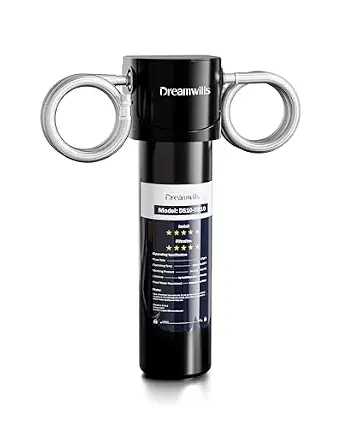 |
| Top Rated A top-rated pick with lots of positive feedback | Waterdrop WD-10UA Under Sink Filter | 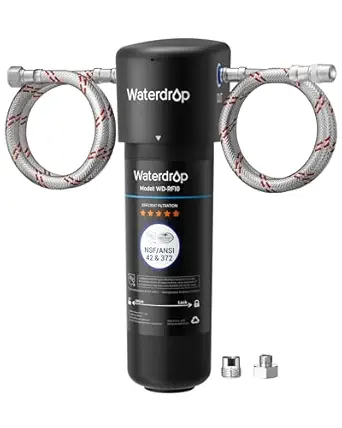 |
| Most Popular A crowd favorite that many people choose with confidence | iSpring RCC7AK-BN Reverse Osmosis System |  |
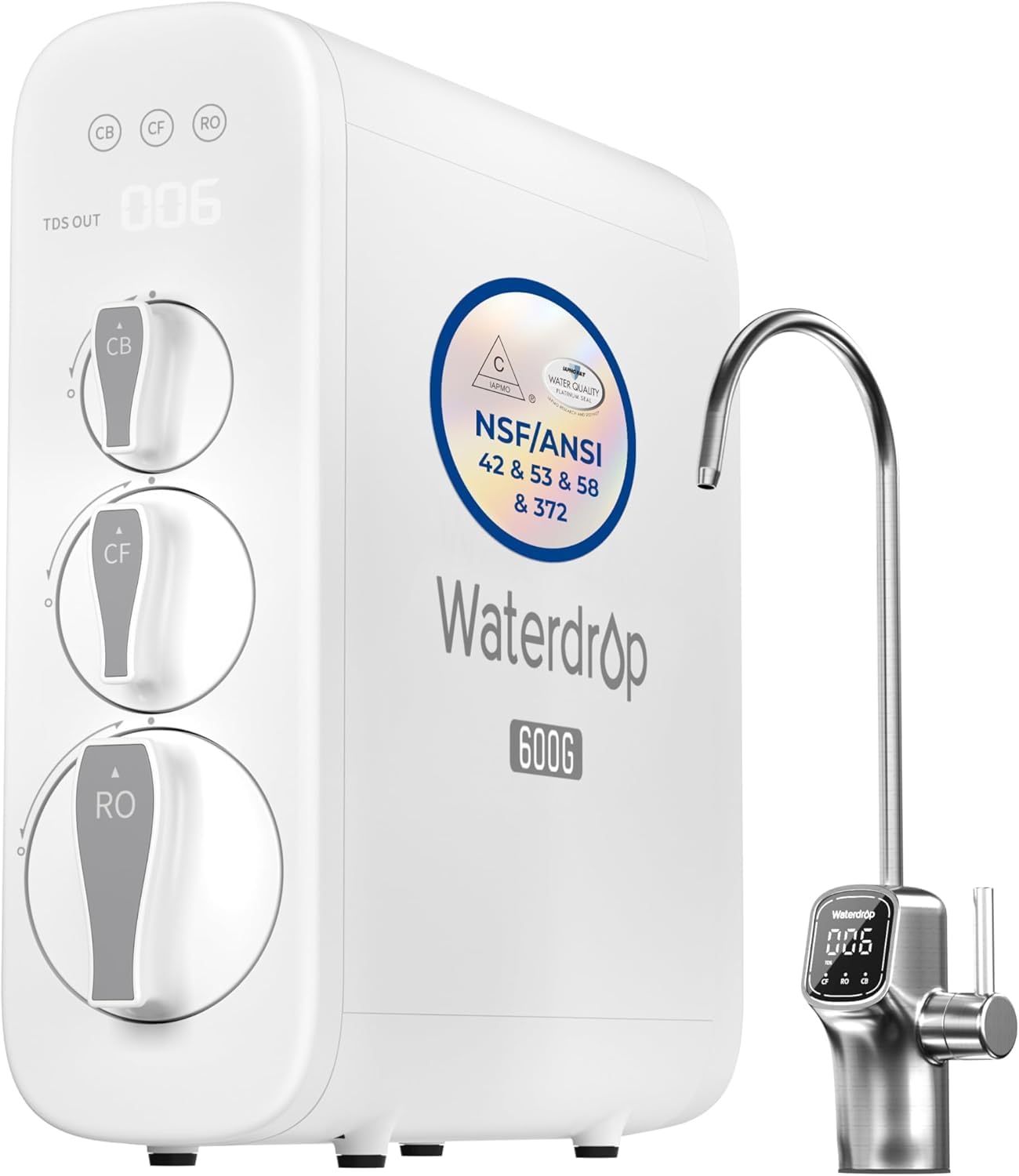
| Best Seller A high-volume bestseller chosen again and again | Waterdrop G3P600 Tankless RO |  |
CuZn UC-200 Under Sink Filter

| Model Number | UC-200 |
|---|---|
| Included Components | Stainless Steel Connection Hose |
| Material Type | NSF Approved Material Components |
| Filter Life | Up to 5 years / 50,000 gallons |
The CuZn UC-200 is an inline under-sink filter designed to deliver improved tap water without removing healthy minerals. It uses a three-stage blend of micro sediment membrane, KDF-55 media, and coconut shell carbon to cut chlorine, lead, PFAS/PFOS and other taste and odor issues, and it connects directly to a cold-water shutoff for a simple DIY install with the included stainless steel connection hose. Its standout benefit is longevity: the manufacturer rates the cartridge for up to five years or 50,000 gallons depending on water quality, which reduces replacement frequency and plastic waste compared with short-life cartridges. The filter does not reduce total dissolved solids so it will not produce RO-level purity, but that means it preserves beneficial minerals in drinking water. Practical limits include the need to check local water chemistry for extreme contaminants and the inline form factor that requires space under the sink for mounting. For buyers wanting a low-maintenance, long-life under-sink filter that improves taste and removes common contaminants, the UC-200 is a compelling, easy-to-install choice.
Best for: Buyers who want a low-maintenance under-sink filter that improves taste and removes common contaminants while minimizing cartridge changes and plastic waste.
Less Ideal for: Those who need complete TDS reduction or RO-level purification, or households with known heavy industrial contamination that requires targeted treatment.
- Very long rated service life (up to 5 years or 50,000 gallons) reduces replacement frequency
- 3-stage media (micro sediment, KDF-55, coconut shell carbon) targets chlorine, lead, PFAS/PFOS and taste/odor
- Retains beneficial minerals because it does not perform reverse osmosis
- Includes stainless steel connection hose and is designed for simple direct-connect installation
- Does not remove total dissolved solids, so it will not provide RO-level purity
- Performance depends on incoming water quality so heavy contamination may require additional treatment
Verdict: Choose the UC-200 if you want an easy-to-install under-sink filter that removes common contaminants and lasts years between replacements.
iSpring RCC7-BN 5-Stage RO

| Purification Method | Reverse Osmosis, Activated Carbon, Carbon block |
|---|---|
| Capacity | 75 gallons |
| Maximum Flow Rate | 3.4 liters per minute |
| Supported Water TDS Level Maximum (PPM) | 750 |
| Power Source | No Power Needed |
The iSpring RCC7-BN is a five-stage under-sink reverse osmosis system designed to produce bottled-quality drinking water at home. It uses three pre-filters (sediment, GAC, carbon block), a thin-film RO membrane that filters down to 0.0001 microns, and a final GAC polishing filter to remove taste and odor, so it is typically installed under the kitchen sink and connected to a dedicated faucet. Notable practical features include a clear first-stage housing for quick visual checks, push-to-connect fittings to simplify plumbing, a tank for on-demand flow, and a metal brushed-nickel faucet included in the kit. The system is NSF/ANSI 58 certified and handles municipal tap water with a maximum supported TDS of 750 ppm, delivering up to 75 gallons capacity and a steady flow rate for household use. Limitations to consider are that it is intended for municipal water rather than untreated well water and it requires periodic filter and membrane replacements to maintain performance, plus it occupies under-sink space for the tank and housings.
Best for: Buyers who prioritize high contaminant removal and certified RO performance and want a relatively straightforward under-sink installation for consistently great-tasting drinking water.
Less Ideal for: Homes with untreated well water or users who need a zero-maintenance filter without periodic cartridge or membrane changes should consider other solutions.
- Effective 5-stage filtration removes a broad range of contaminants including PFAS, chlorine, and heavy metals
- NSF/ANSI 58 certified for reverse osmosis performance
- Clear first-stage housing allows easy visual inspection of the sediment filter
- Push-to-connect fittings and included components simplify DIY installation
- Includes a lead-free designer faucet and tank for on-demand purified water
- Not designed for untreated well water without pre-filtration
- Requires regular filter and RO membrane replacements to retain rated performance
Verdict: Choose the RCC7-BN when you want a certified, high-capacity under-sink RO system that reliably removes a wide range of contaminants for bottled-quality drinking water at home.
PUREPLUS WFS5300A Under-Sink Filter

| Purification Method | Activated Carbon |
|---|---|
| Maximum Flow Rate | 2.5 gpm |
| Upper Temperature Rating | 100 °F |
| Supported Water TDS Level Maximum (PPM) | 500 |
| Filter Life Cycle | 5 years |
The PUREPLUS WFS5300A is an under-sink activated carbon cartridge system built for long service life and steady flow. It installs on a cold-water line using quick-connect fittings and is meant for everyday drinking and cooking water; the cartridge is rated for about 22,000 gallons or roughly five years under typical use. The filter uses a composite coconut-shell activated carbon block with 0.5 micron filtration accuracy and NSF/ANSI 42 certification, so it removes chlorine, odor, sediment and some heavy metals while retaining beneficial minerals. With a maximum flow rate up to 2.5 gpm it maintains normal faucet pressure for most kitchen tasks, and the plastic housing and lead-free materials meet common safety standards. Limitations are that it will not reduce TDS and it requires cold-water-only installation; you may need adapters for certain faucet thread types. For buyers who want a long-lasting, low-maintenance under-sink carbon filter that prioritizes taste and chlorine reduction, this system delivers good capacity and simple installation.
Best for: Buyers who prioritize a low-maintenance, cost-effective under-sink filter for better tasting drinking and cooking water and want long intervals between cartridge changes.
Less Ideal for: Homes that need TDS reduction, mineral-free drinking water, or comprehensive contaminant removal should consider a reverse osmosis or whole-house solution instead.
- Very high rated capacity of 22,000 gallons (about 5 years) reduces replacement frequency
- NSF/ANSI 42 certified carbon block removes 99% of chlorine and reduces odor and sediment
- Up to 2.5 gallons per minute flow preserves normal faucet performance
- Quick-connect fittings and compact cartridge housing simplify installation and service
- Does not reduce total dissolved solids (TDS) or perform reverse osmosis level filtration
- Cold-water-only connection requirement limits where it can be plumbed
Verdict: A long-lasting, NSF-certified carbon under-sink filter that delivers strong chlorine and taste improvement with minimal maintenance.
Dreamwills DS10 Under Sink Filter

| Maximum Flow Rate | 1.3 gpm |
|---|---|
| Purification Method | Carbon Block |
| Supported Water TDS Level Maximum (PPM) | 600 |
| Capacity | 8000 gallons |
| Filter Life Cycle | 2 years |
The Dreamwills DS10 is an under-sink carbon block water filter designed for simple DIY installation and everyday drinking-water improvement. It connects directly to your cold-water supply and is calibrated to produce up to 1.3 gallons per minute, which fills a glass quickly while keeping contact time with the carbon media for effective chlorine and taste reduction. The unit uses natural coconut shell carbon in a BPA-free housing and is tested to NSF/ANSI 42 for chlorine and aesthetic contaminant reduction. Dreamwills sets a practical 1-year or 8,000-gallon replacement cadence to prioritize freshness and reduce bacterial risk, and the compact vertical canister fits easily into crowded cabinets. Installation is tool-free with included adapters and fittings, making it suitable for renters or first-time installers. The trade-offs are that it is for cold water only and focuses on chlorine, taste, and odor rather than removing a wider range of contaminants, so households needing heavy metal or complex contaminant removal will want a different filter.
Best for: Buyers on a budget who want a simple, fast-install under-sink filter to improve taste and reduce chlorine without a complicated plumbing job.
Less Ideal for: Homes that need certified removal of heavy metals, lead, or a wide spectrum of contaminants should consider higher-capacity or multi-stage systems instead.
- NSF/ANSI 42 tested for chlorine and aesthetic reduction
- Hydraulically calibrated 1.3 gpm flow for fast filling
- Compact vertical design fits easily under most sinks
- Tool-free installation with included adapters and fittings
- Uses natural coconut shell carbon in BPA-free housing
- Cold-water only — not rated for hot water use
- Targeted at chlorine/taste reduction and not designed for broad contaminant removal
Verdict: A straightforward, budget-friendly under-sink carbon filter that delivers fast flow and reliable chlorine and taste reduction with tool-free installation.
Waterdrop WD-10UA Under Sink Filter

| Purification Method | Activated Carbon |
|---|---|
| Filter Life Cycle | 1 years |
| Maximum Flow Rate | 2.5 gpm |
| Supported Water TDS Level Maximum (PPM) | 700 |
The Waterdrop WD-10UA is a compact under-sink filtration system built for straightforward, reliable drinking-water improvement in kitchens, bathrooms, RVs, or small offices. It uses an activated carbon cartridge and mechanical water pressure with push-to-connect fittings and a twist-and-lock cartridge for tool-free installation and quick three-second filter changes. The system is NSF/ANSI 42 and 372 certified and specifically targets chlorine, PFAS/PFOA/PFOS, lead, and taste and odor issues while retaining beneficial minerals. With a rated service life of 12 months (about 11,000 gallons) and a tested flow of up to 0.75 gpm at 60 psi — and a 3/8" outlet option to increase throughput — it balances decent flow with filtration performance for everyday drinking and cooking. Practical limitations are that it is intended for cold municipal water only and will not treat well water or hot supplies, and replacement cartridges are required annually. For buyers prioritizing a compact, certified unit that is easy to install and maintain, this delivers dependable performance without complex plumbing changes.
Best for: Buyers who want a low-maintenance, certified under-sink filter that is easy to install and provides reliable contaminant reduction for drinking and cooking water in typical municipal systems.
Less Ideal for: Homes relying on well water, users needing hot-water filtration, or households that require very high flow rates or multi-stage filtration for particulate and microbial concerns.
- NSF/ANSI 42 and 372 certified for chlorine, taste, and material safety
- Twist-and-lock cartridge plus push-to-connect fittings for fast, tool-free installation and quick replacements
- Long single-cartridge service life up to 12 months or about 11,000 gallons
- Designed to reduce PFAS, PFOA/PFOS, lead, chlorine, and bad taste while retaining beneficial minerals
- Suitable only for cold municipal water and not rated for well water or hot water use
- Flow rate is modest compared with multi-stage systems and depends on household water pressure
Verdict: Choose the Waterdrop WD-10UA if you want a compact, certified under-sink filter that is simple to install and reliably reduces chlorine, lead, and PFAS from municipal cold water for everyday drinking and cooking.
iSpring RCC7AK-BN Reverse Osmosis System

| Purification Method | Reverse Osmosis, Alkaline, Activated Carbon, Carbon block |
|---|---|
| Power Source | No Power Needed |
| Maximum Flow Rate | 284 liters_per_day |
| Supported Water TDS Level Maximum (PPM) | 750 |
| Filter Life Cycle | 6 months |
The iSpring RCC7AK-BN is a six-stage under-sink reverse osmosis system that removes a wide range of contaminants and adds minerals back into the water for balanced pH. It installs under a standard kitchen sink and uses sediment, carbon, RO membrane, and an alkaline remineralization stage to reduce TDS, heavy metals, chlorine, PFAS and other contaminants while restoring minerals for better taste. The top-mounted faucet fastener and push-to-connect fittings simplify DIY installation and the transparent first-stage housing makes it easy to see when the sediment filter needs replacing. The unit is NSF/ANSI 58 certified for the complete system and operates without electricity, so it works during power outages. Maintenance requires periodic filter and membrane changes on the schedule recommended by iSpring, and the system and tank take under-sink space and add tubing and a dedicated faucet to the countertop, which may be a trade-off in very small or minimalist kitchens. For buyers focused on verified performance and long-term water quality, this is a practical, well-documented under-sink RO solution.
Best for: Buyers who prioritize proven, certified contaminant reduction and want a do-it-yourself friendly under-sink RO system that improves water taste with added minerals.
Less Ideal for: People who need a compact, zero-footprint solution or who want a filter that requires minimal periodic maintenance and no under-sink storage tank.
- NSF/ANSI 58 full-system certification confirms contaminant reduction performance
- Six-stage filtration with alkaline remineralization improves taste and pH
- Operates without electricity and provides steady purified water via storage tank
- Top-mounted faucet fastener and push-to-connect fittings simplify DIY installation
- Transparent first-stage housing allows visual inspection of sediment buildup
- Requires under-sink space for the system and storage tank
- Regular filter and membrane replacements are needed on a defined schedule
Verdict: Choose the RCC7AK-BN if you want a certified, electricity-free under-sink RO system that reliably removes contaminants and restores minerals for better-tasting water.
Waterdrop G3P600 Tankless RO
| Purification Method | Carbon Block, Reverse Osmosis |
|---|---|
| Filtration Stages | 8-stage Filtration |
| Flow Rate | 600 GPD |
| Pure to Drain Ratio | 2:1 |
| Power Source | Corded Electric |
The Waterdrop G3P600 is a tankless under-sink reverse osmosis system designed to deliver fast, high-capacity purified water while saving under-sink space. It uses an 8-stage filtration train including a reverse osmosis membrane and carbon block stages to reduce TDS, chlorine, heavy metals, PFAS and other contaminants, and the system pumps water quickly enough to fill an 8 oz cup in about 8 seconds. The unit includes a smart display faucet that reports TDS and filter life, and the tankless design avoids a bulky storage tank and makes filter replacement a simple twist-in operation. Because it is plug-in powered, it maintains steady performance and includes an automatic flushing function to help preserve membrane life. Limitations to note are the need for an electrical outlet under the sink and the requirement to drill faucet and drain holes during installation, which may make installation slightly more involved than passive faucet-mounted options.
Best for: Buyers who prioritize reliable, lab-tested contaminant reduction and want a compact, high-capacity under-sink RO system with simple monitoring and quick flow for daily drinking and cooking needs.
Less Ideal for: People who prefer a non-powered, completely passive filter or who cannot modify plumbing or drill new faucet/drain holes should consider different, simpler filtration options.
- High production rate up to 600 GPD for fast dispensing
- 8-stage filtration addressing a wide range of contaminants including PFAS and heavy metals
- Smart faucet with TDS readout and filter life indicator for easy monitoring
- Tankless design saves under-sink space and allows tool-free filter changes
- Requires a nearby electrical outlet since the system is plug-in powered
- Installation requires drilling holes and some under-sink work
Verdict: Choose the G3P600 if you want a compact, tankless under-sink RO that delivers fast, high-capacity, lab-tested contaminant removal with convenient TDS and filter-life monitoring.
Choosing the Right Under-Sink Water Filter: Key Factors to Consider
Contaminant Reduction and Certification
What the filter removes is the single most important consideration. Look for systems that report specific reduction percentages for contaminants you care about, such as lead, chlorine, volatile organic compounds, and particulates. Independent test data or third-party certifications give confidence the system performs as advertised.
Certification by recognized labs or standards bodies is especially valuable because it verifies claims under controlled conditions. Pay attention to which contaminants are tested and the conditions used. A filter rated for chlorine taste and odor removal may not reduce heavy metals, so match the filter's tested capabilities to your water concerns.
Flow Rate and Daily Throughput
Under-sink filters must provide usable flow from a dedicated faucet or the existing cold-water line. Check specified flow rate and gallons-per-day capacity to ensure the system can handle your household demand without frequent slowdowns.
A low-throughput system may be fine for one or two people but can frustrate larger households. Also consider how flow changes as cartridges approach end of life. Some filters maintain steady flow until cartridge replacement is required, while others gradually slow down.
Installation Complexity and Compatibility
Ease of installation affects cost and how quickly you can start using the filter. Many under-sink systems are designed for DIY installation with basic tools and a standard cold-water line connection. Look for clear instructions, included fittings, and whether the unit requires drilling a hole for a separate faucet.
Compatibility with your sink plumbing and available under-sink space matters. Measure cabinet clearance and check connection sizes. Systems that require an adapter or professional plumbing work increase total cost and time to install.
Filter Lifespan and Replacement Costs
Cartridge life influences maintenance frequency and total cost of ownership. Longer-life cartridges reduce how often you need to swap parts but may cost more upfront. Evaluate the expected gallons or months per cartridge and whether replacement parts are readily available.
Also consider how filter performance changes over the cartridge life. Some systems maintain contaminant reduction until near the end of life, while others see gradual degradation. Factor in typical household usage and the cartridge lifespan to estimate annual replacement needs.
Maintenance Routine and User-Friendliness
Routine maintenance should be straightforward. Familiarize yourself with the replacement process, any required system flushing, and whether tools are needed. Features like twist-off housings, color-coded parts, or push-fit connections make maintenance quicker and reduce the chance of leaks.
Consider whether the system has indicators or reminders for replacement. Also check for simple troubleshooting steps in the manual. A user-friendly maintenance routine reduces the risk that vital cartridge changes will be neglected.
Build Quality and Materials
Durable materials and corrosion-resistant fittings extend the life of an under-sink filter and reduce the likelihood of leaks. Inspect the construction of housings, valves, and tubing when evaluating systems.
Food-grade plastics, stainless fasteners, and brass or plated fittings provide more reliability in a wet cabinet environment. Good build quality also makes periodic servicing easier and less likely to disturb adjacent plumbing or cabinetry.
Types of Under-Sink Systems
Under-sink filtration comes in several common formats, each with distinct tradeoffs. Single-stage carbon filters focus on taste and chlorine reduction and are compact and inexpensive to maintain. Multi-stage units combine sediment, carbon, and specialty media to address a wider range of contaminants.
Reverse osmosis systems provide the highest level of dissolved solids reduction but require more space, a drain connection, and usually a storage tank. Inline or cartridge-based designs that attach to the cold-water line are simpler to fit and generally easier to service. Consider which type aligns with your water quality needs and under-sink space.
- Single-stage carbon: compact, easy maintenance, good for chlorine and taste
- Multi-stage cartridge: broader contaminant coverage, larger footprint
- Reverse osmosis: high dissolved solids removal, needs drain and tank
Measuring Your Water and Prioritizing Contaminants
Start by testing your water or reviewing your municipal water quality report to identify the contaminants most relevant to your household. Taste and smell issues often point to chlorine or organic compounds, while test results can reveal metals, nitrates, or hardness.
Once you know the primary problems, prioritize filtration features accordingly. If your water report shows elevated lead or heavy metals, choose a system with verified reduction for those specific contaminants rather than one focused only on taste.
- Use an at-home test kit or municipal report to identify common contaminants
- Match filter media and certifications to the contaminants you need to reduce
Installation Checklist
Before you buy, inspect the under-sink space for clearance, existing plumbing, and any shutoff valves. Measure vertical and horizontal room, and check whether you will need to drill for a dedicated faucet or if you can tap into an existing line. Also determine whether you have easy access to a nearby drain if a system requires one.
Gather the basic tools for a DIY install: adjustable wrench, drill with appropriate bits, plumber's tape, and a bucket for flushing. Verify the kit includes fittings and adapters for standard compression or push-fit connections to avoid additional trips to the hardware store.
- Measure cabinet space and check for interference from garbage disposals or hot water lines
- Confirm whether a separate faucet hole is required and whether drilling is needed
Maintaining Performance Over Time
Regular cartridge changes and periodic sanitizing keep an under-sink system performing as intended. Follow the manufacturer-recommended schedule based on months or gallons. When replacing cartridges, flush the system thoroughly to clear trapped air and any loose carbon fines.
Keep a replacement cartridge on hand if your household uses a lot of water or if supply chains can delay parts. Track replacement dates and note any changes in taste or flow rate that might indicate a filter needs swapping sooner than the recommended interval.
- Flush new cartridges per instructions to prevent discoloration or off-tastes
- Record replacement dates and inspect housings for leaks during each service
Common Installation Problems and Fixes
Leaks at connections are the most common issue and are often fixed by re-seating fittings, tightening compression nuts hand-tight plus a small turn, or adding plumber's tape where applicable. If a system has push-fit tubing, ensure the tube is fully inserted to the stop.
Low flow can result from incorrect cartridge seating, clogged sediment pre-filters, or insufficient water pressure. Verify cartridges are properly installed and that inlet shutoff valves are fully open. For systems that require a drain connection, confirm the drain line is not kinked and that air gaps are installed where required.
- Check fittings and seals first when diagnosing leaks
- Inspect pre-filters and inlet screens for debris if flow drops
How We Chose the Best Under-Sink Water Filter
We focused on real-world performance, long-term maintenance, and homeowner friendliness when narrowing the field to seven under-sink water filters. Our editorial filters prioritized filtration capability by verified contaminant reduction ratings and the range of contaminants targeted. Flow and throughput were next: we looked for systems that maintain an acceptable faucet flow under typical household pressures while offering reasonable filter life. Installation and serviceability were treated as separate criteria because a technically excellent system is less useful if it requires a professional to replace cartridges. We also considered filter lifespan and ongoing consumable needs to gauge annual upkeep. Materials and plumbing compatibility rounded out the assessment to ensure systems fit standard under-sink setups. We excluded specialty or industrial units intended for commercial use, countertop filters, and systems that require invasive under-sink modifications. Products that did not provide clear specification data on contaminant reduction or filter life were also omitted. The result is a curated set of under-sink water filters that balance removal performance, user-friendly installation, and manageable maintenance.
Our full evaluation process is outlined in our review methodology.
FAQ
How often should I replace under-sink filter cartridges?
Replacement intervals typically range from three months to one year depending on cartridge type and household usage. Follow the manufacturer's gallons-or-months recommendation and watch for reduced flow or changes in taste as signs a cartridge needs replacement sooner.
Can I install an under-sink water filter myself?
Many under-sink systems are designed for DIY installation with basic tools and clear instructions. Measure your space and verify included fittings match your plumbing. If the installation requires modifying supply lines or drilling a new faucet hole and you are not comfortable, consider professional help.
Will an under-sink filter affect my water pressure?
A properly sized under-sink filter should have minimal effect on pressure at typical household flow rates. Some systems reduce flow as cartridges load with contaminants, so choosing a unit with sufficient flow rating for your household helps avoid noticeable pressure loss.
Do under-sink filters remove hard water minerals?
Most carbon-based under-sink filters do not remove hardness minerals like calcium and magnesium. Reverse osmosis systems reduce dissolved solids, including hardness, but require more space and a drain connection. Addressing scale often calls for a dedicated water softening solution.
How do I know which contaminants my under-sink filter removes?
Check the system's published reduction claims and any third-party test reports or certifications. Look for specific listings of contaminants and percent reduction under defined testing conditions to confirm whether the filter addresses the compounds you are concerned about.
Final Verdict
Choosing the right under-sink water filter comes down to matching verified contaminant reduction to your household needs while balancing installation simplicity and ongoing maintenance. Prioritize certified filtration for the specific contaminants you want removed, and pick a system with a flow rate and cartridge life that suit your daily water use. Consider installation space and how comfortable you are with routine cartridge changes when deciding between compact single-stage units and larger multi-stage or reverse osmosis setups. Focus on systems that make maintenance straightforward and provide clear replacement intervals. That way you get consistently better-tasting, safer tap water without unnecessary hassle.