
Note: This article contains affiliate links. If you click on these links and make a purchase, we may earn a small commission at no extra cost to you. This helps support our research and content. Read our full affiliate disclosure here.
If your tap water smells or tastes like chlorine, choosing the right water filter makes a tangible difference in everyday drinking and cooking. A good filter for chlorine should remove chlorine and its byproducts while keeping water flow and ease of maintenance practical for daily use. This guide shortlists the top options for removing chlorine, focusing on contaminant reduction, flow performance, and ongoing filter life. Each pick was evaluated for how well it balances chlorine removal with user convenience and system compatibility. Read on to see the shortlisted products and the criteria we used to evaluate them.
Top Picks at a Glance
| Best Overall The best all-around choice for most situations | APEC Water ROES-50 |  |
| Best Quality Built to a higher standard if you want something more solid | iSpring RCC7AK-BN Reverse Osmosis |  |
| Best Value The sweet spot between price and what you get | ICEPURE WFS5300A Under-Sink Filter |  |
| Best Budget The cheapest option that still gets the job done reliably | Waterdrop PT-05B-L Pitcher | 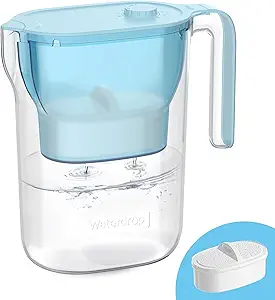 |
| Top Rated A top-rated pick with lots of positive feedback | Waterdrop WD-10UA Under Sink Filter | 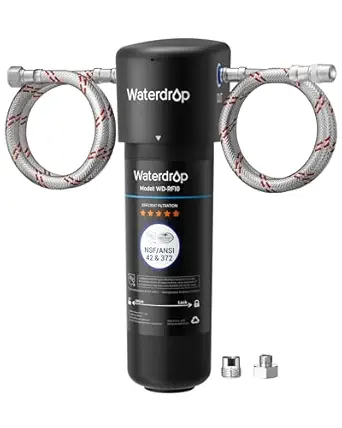 |
| Most Popular A crowd favorite that many people choose with confidence | Brita Metro 6-Cup Pitcher |  |
| Best Seller A high-volume bestseller chosen again and again | Camco TastePURE RV Water Filter |  |
APEC Water ROES-50

| Purification Method | Reverse Osmosis |
|---|---|
| Filtration Stages | 5-Stage |
| Capacity | 50 gallons |
| Operating Pressure Range | 40-85 psi |
| Filter Life Cycle | 6 months |
The APEC Water ROES-50 is a 5-stage under-sink reverse osmosis system designed to remove a wide range of contaminants and improve taste, including chlorine and related taste and odor compounds. It connects under the sink to a dedicated faucet and uses sequential prefilters, an RO membrane, and a post-filter to deliver up to 50 gallons per day; the included storage tank smooths flow for immediate dispensing. Installation is DIY-friendly with quick-connect fittings and color-coded tubing, and replacement filters are straightforward with recommended intervals that range from 6 to 24 months depending on water quality. Practical benefits include reliable chlorine and taste removal, WQA/NSF-level construction confidence, and a complete kit with faucet and tank for an all-in-one setup. Limitations are typical for RO systems: it produces wastewater during purification and requires periodic filter changes and some under-sink space for the assembly and tank. For buyers who want very low-ppm, great-tasting tap water and a proven multi-stage RO setup, this system is a solid choice.
Best for: Buyers seeking a dependable, whole-tap under-sink system that prioritizes low-ppm, great-tasting drinking water and strong chlorine removal for everyday cooking and drinking.
Less Ideal for: People who cannot accommodate an under-sink tank or who want a zero-waste filtration method should consider other filtration approaches.
- 5-stage filtration effectively reduces chlorine, taste, and a broad list of contaminants
- 50 gallons per day capacity suitable for most household drinking and cooking needs
- Includes faucet, storage tank, and installation kit for a complete under-sink solution
- DIY-friendly quick-connect fittings and color-coded tubing simplify installation
- Generates wastewater as part of the RO process
- Requires periodic filter and membrane replacements and some under-sink space
Verdict: Choose the ROES-50 when you want a proven under-sink RO system that reliably removes chlorine and delivers very low-ppm, great-tasting drinking water for daily use.
iSpring RCC7AK-BN Reverse Osmosis

| Purification Method | Reverse Osmosis, Alkaline, Activated Carbon, Carbon block |
|---|---|
| Power Source | No Power Needed |
| Maximum Flow Rate | 284 liters_per_day |
| Supported Water TDS Level Maximum (PPM) | 750 |
| Filter Life Cycle | 6 months |
The iSpring RCC7AK-BN is a six-stage under-sink reverse osmosis system designed to deliver very low-TDS, low-chlorine drinking water and then add back healthy minerals for balanced pH. It is installed under the sink and connects to a dedicated brushed-nickel faucet and storage tank, with push-to-connect fittings and clear first-stage housing that helps you visually check sediment buildup. The system is NSF/ANSI 58 certified and lists high removal rates for chlorine, lead, fluoride, PFAS, and many other contaminants, while the AK mineral stage restores a more neutral, pleasant taste. It runs without electricity and provides up to 75 gallons per day, so it suits households that want high-performance filtration without a pump. Maintenance requires periodic filter and membrane replacements on the specified schedules and you should plan for under-sink space for the tank and housings; flow rate to the faucet is limited by the tank and RO process, not instant hot flow. For buyers focused on maximizing chlorine removal and near-pure drinking water with mineral restoration, this system delivers lab-backed performance and user-friendly installation aids.
Best for: Buyers who prioritize maximum chlorine and contaminant removal plus improved drinking-water taste and are willing to commit to periodic filter and membrane maintenance for high performance.
Less Ideal for: People who need immediate high flow from a faucet without a storage tank or who cannot accommodate under-sink space for a multi-canister system.
- NSF/ANSI 58 full-system certification for verified contaminant reduction.
- Comprehensive six-stage filtration including RO membrane and alkaline remineralization for improved taste.
- Clear sediment housing allows easy visual inspection during maintenance.
- Operates without electricity for reliable performance in any kitchen.
- Push-to-connect fittings and online installation videos simplify DIY setup.
- Produces filtered water via storage tank so faucet delivery is not instantaneous and flow depends on tank pressure.
- Requires recurring filter and membrane replacements on a multi-stage schedule.
- Takes under-sink space for the tank and multiple housings which may be tight in small cabinets.
Verdict: Choose this certified six-stage RO system if you want proven, high-performance chlorine removal with mineralized, better-tasting drinking water.
ICEPURE WFS5300A Under-Sink Filter

| Purification Method | Activated Carbon |
|---|---|
| Maximum Flow Rate | 2.5 gpm |
| Filter Life Cycle | 3 years |
| Capacity | 22000 gallons |
| Other Special Features of the Product | Chlorine Reduction, NSF certified |
The ICEPURE WFS5300A is an under-sink activated carbon cartridge system designed to deliver drinking-quality water with a high chlorine, taste, and odor reduction focus. It installs directly on a cold water line and connects to common 1/2" or 3/8" female NPT faucet fittings, and the manufacturer emphasizes a quick plug-and-play setup and a simple cartridge swap. The unit is NSF/ANSI 42 and 372 certified, uses coconut shell carbon with a 0.5 micron outer layer, and is rated for about 22,000 gallons at a tested flow of up to 2.5 gpm, which means it can supply household drinking and cooking needs without noticeably slowing faucet flow. The long service life is a standout for a practical buyer who wants low maintenance and lower annual filter spend. Limitations: it only handles cold water and does not claim to reduce dissolved solids or provide multi-stage contaminant removal beyond carbon adsorption, so it is primarily a chlorine and taste solution rather than a broad-spectrum purifier.
Best for: Buyers who want a low-maintenance, cost-efficient under-sink solution primarily to remove chlorine and improve drinking water taste with minimal fuss and infrequent filter changes.
Less Ideal for: Households seeking comprehensive contaminant removal (reverse osmosis, fluoride, or heavy TDS reduction) or a hot-and-cold inline solution should look at more advanced multi-stage systems.
- NSF/ANSI 42 & 372 certified for chlorine, taste, odor reduction and lead-free materials
- High rated capacity of 22,000 gallons (about 3 years) reduces replacement frequency
- Tested flow rate up to 2.5 gpm keeps typical faucet performance
- Uses coconut shell carbon with 0.5 micron outer layer for effective adsorption
- Quick tool-free cartridge changes and simple under-sink installation
- Only for cold water lines and not designed to reduce TDS or all contaminants
- No multi-stage filtration (sediment plus specialty media) for broader contaminant removal
Verdict: If your primary goal is reliable, long-life chlorine and taste reduction under the sink with minimal upkeep, this ICEPURE unit is a practical, cost-effective choice.
Waterdrop PT-05B-L Pitcher

| Capacity | 7 cups |
|---|---|
| Filter life | Up to 200 gallons / 3 months |
| Certifications | NSF/ANSI 42 & 372 |
| Material type | BPA-free, lead-free |
The Waterdrop PT-05B-L is a compact 7-cup pitcher that uses a long-life activated carbon fiber filter to improve taste and reduce chlorine, PFOA/PFOS, and dozens of other contaminants; it is certified to NSF/ANSI 42 and 372. Typical use is simple: soak the included cartridge, press it into the reservoir, and pour — the pitcher fits in most refrigerator doors and has a mechanical dial on the lid to track filter life. The cartridge is rated up to 200 gallons or roughly three months depending on local water quality, which lowers replacement frequency compared with cheaper cartridges. Because the pitcher does not lower TDS, it is aimed at removing chlorine and organic contaminants rather than mineral reduction. The body is made from food-grade BPA-free plastic and is easy to handle for daily drinking water and cooking. If you want straightforward chlorine removal on a modest budget with a relatively long filter life, this pitcher delivers reliable filtered water without extra bells and whistles.
Best for: Buyers who prioritize affordable, certified chlorine and contaminant reduction and want a compact, low-maintenance pitcher for daily drinking water.
Less Ideal for: Users seeking removal of dissolved minerals, substantial TDS reduction, or a heavy-duty solution for large households should consider other filtration types.
- NSF/ANSI 42 and 372 certification for verified chlorine and lead reduction
- Long filter lifespan rated up to 200 gallons (about 3 months) reduces replacement frequency
- Compact 7-cup design fits refrigerator doors and countertops
- BPA-free, food-grade plastic construction with an easy-to-use mechanical life tracker
- Does not reduce total dissolved solids (TDS) so it will not soften or lower mineral content
- Replacement filter compatibility requires selecting the correct PF-01A model
Verdict: A budget-friendly, NSF-certified pitcher that reliably reduces chlorine and related contaminants with a longer-than-average cartridge life.
Waterdrop WD-10UA Under Sink Filter

| Purification Method | Activated Carbon |
|---|---|
| Maximum Flow Rate | 2.5 gpm |
| Filter Life Cycle | 1 years |
| Supported Water TDS Level Maximum (PPM) | 700 |
| Other Special Features | NSF/ANSI 42&372, PFAS/PFOA reduction |
The Waterdrop WD-10UA is an under-sink activated carbon filtration system built for straightforward chlorine and common contaminant reduction in municipal cold water. It connects to standard 3/8" or 1/2" cold-water feeds and uses a twist-and-lock cartridge plus push-to-connect fittings for a quick, tool-minimal install and three-second cartridge swaps. Its design prioritizes steady flow and durability with a tested flow rate up to 1.33 gpm from the 3/8" outlet and an advertised 11,000-gallon service capacity or roughly 12 months of use under typical conditions. NSF/ANSI 42 certification and stated reduction of chlorine, PFAS/PFOA, lead, and bad taste make it well suited to improve drinking and cooking water. Limitations include dependence on municipal cold water only (not for hot or well water) and the need to replace proprietary WD-RF10 cartridges annually for continued performance. For buyers seeking a compact, easy-to-service under-sink filter focused on chlorine reduction and consistent everyday use, the WD-10UA offers a reliable, low-friction option.
Best for: Buyers who prioritize a dependable, low-maintenance under-sink filter to reliably remove chlorine and improve tap water taste without complex installation.
Less Ideal for: Homes relying on well water, users who need hot-water filtration, or those who want multi-stage filtration beyond carbon adsorption.
- NSF/ANSI 42 certified for chlorine and taste/odor reduction
- Quick twist-and-lock cartridge and push-to-connect fittings for easy installation and fast replacements
- Designed for steady flow with up to 1.33 gpm outlet flow to avoid sluggish faucets
- Long single-cartridge life rated to about 11,000 gallons or 12 months under municipal water
- Only intended for cold, municipal water and not recommended for well or hot water use
- Requires proprietary replacement cartridges for continued certified performance
Verdict: Choose the WD-10UA when you want a certified, easy-to-install under-sink filter that consistently reduces chlorine and improves tap water taste with minimal upkeep.
Brita Metro 6-Cup Pitcher

| Filter Life Cycle | 2 months |
|---|---|
| Maximum Flow Rate | 9.7 milliliters_per_second |
| Supported Water TDS Level Maximum (PPM) | 500 |
| Power Source | No Power Source |
The Brita Metro 6-cup pitcher is a small, fridge-friendly filtered water pitcher designed for everyday countertop or dorm use. It uses Brita Standard (and compatible Elite) filter cartridges to reduce chlorine taste and odor as well as copper, mercury and cadmium, and the SmartLight indicator times filter changes at about 40 gallons or two months. Fill-through lid and a slim profile make refilling simple and let the pitcher fit in most refrigerator doors, while the included filter should cover roughly two months of typical family use. The practical benefits are clearer tasting water without bottled water waste and easy maintenance thanks to the change indicator and widely available replacement filters. Limitations are inherent to pitcher systems: flow is slower than a faucet filter or under-sink system and the 6-cup capacity may require frequent refills for larger households, so it best serves individuals or small families prioritizing convenience and improved taste rather than whole-house reduction or the highest possible flow rates.
Best for: Buyers who want a proven, certified pitcher that noticeably reduces chlorine and improves tap water taste for daily drinking and light household use, and who value social-proof and reliability when choosing a filter.
Less Ideal for: Homes needing whole-house filtration, high flow or large daily water demand should choose a countertop, faucet-mounted, or under-sink system instead.
- WQA NSF/ANSI certified to reduce chlorine taste and odor and select heavy metals
- SmartLight indicator notifies when the Standard filter needs replacing
- Slim, mini-fridge-friendly design with an easy-fill lid
- Includes one Standard filter that replaces up to 300 single-use 16.9 oz bottles
- Small 6-cup capacity requires frequent refilling for larger households
- Filter flow rate is slower than inline or under-sink systems
Verdict: Choose the Brita Metro if you want an NSF-certified, space-saving pitcher that reliably reduces chlorine and heavy metals for better-tasting tap water.
Camco TastePURE RV Water Filter

| Material Type | Polypropylene (PP) |
|---|---|
| Model Number | 40043 |
| Included Components | Adapter |
| Certifications | NSF/ANSI 42, NSF/ANSI 53, NSF/ANSI 372 |
The Camco TastePURE RV Water Filter is an inline hose filter designed to give campers and boaters cleaner, better-tasting water from campground or city hookups. It connects between a standard garden or drinking-water hose and uses a multi-layer Hex-Flow 6-step cartridge that combines granular activated carbon (GAC) and KDF media to reduce chlorine, bad tastes, odors and sediment while helping control bacteria and mold when idle. The wide-body, high-flow design aims to keep water pressure reasonable for drinking and filling tanks, and the included flexible hose protector reduces kinking and strain at the connection. The unit is certified to NSF/ANSI 42, 53 and 372, which supports its claims for chlorine and lead reduction and lead-free construction. It is a straightforward, purpose-built solution for campers who want certified filtration without complicated installation, but like most inline hose filters it will need periodic cartridge replacement and does not replace whole-vehicle or point-of-entry systems for comprehensive contaminant removal.
Best for: Buyers who prioritize certified, easy-to-install filtration for campground or municipal hookups and want dependable chlorine and taste reduction without complex plumbing changes.
Less Ideal for: People seeking a permanent whole-vehicle or whole-campground treatment system or removal of a wide range of chemical contaminants should consider a more comprehensive point-of-entry or multi-stage solution.
- NSF/ANSI 42 and 53 certified for chlorine, taste and certain contaminant reduction
- Combination of GAC and KDF media targets chlorine, odor and inhibits bacterial/mold growth
- Wide-body, high-flow design preserves water flow for drinking and filling tanks
- Includes flexible hose protector to prevent kinks and reduce strain on connections
- Requires periodic replacement cartridges which add ongoing cost
- Inline filter does not provide whole-house level filtration or remove all contaminants
Verdict: Choose this certified inline RV filter when you want simple, proven chlorine and taste reduction at campground hookups without altering your RV plumbing.
Choosing the Right Water Filter for Chlorine: Key Factors to Consider
Chlorine Removal Effectiveness
The core job of a water filter for chlorine is to reduce free chlorine and, in some cases, chloramine. Look for systems that specify removal percentages for chlorine or list certification to an independent standard. Higher removal rates mean better taste and odor reduction.
Effectiveness also depends on contact time and media type. Granular activated carbon and catalytic carbon variants perform differently against chloramine versus free chlorine. Knowing the type of chlorine treatment in your municipal supply helps match the filter media to the contaminant.
Flow Rate and Household Pressure
Flow rate determines whether the filter can meet daily water needs without noticeable slowdown at taps or dispensers. Some high-capacity filters restrict flow, which is fine for a single dedicated point of use but problematic for whole-house applications.
Check published flow rates at typical household pressure. If you need filtered water at multiple points or for filling cookware, prioritize systems rated for higher flow. Conversely, countertop or pitcher filters often trade flow for better contact time and removal efficiency.
Filter Life and Maintenance Frequency
Filter life affects long-term cost and convenience. Higher-capacity cartridges last longer between changes but may cost more up front. Lifespan is typically expressed in gallons or months and assumes a certain household usage pattern.
Consider how easy it is to monitor remaining life. Models with clear usage guidelines, capacity markings, or simple indicators reduce the chance of replacing cartridges too late or too early. Also factor in whether regular flushing or backwashing is required as part of maintenance.
Installation Complexity and Compatibility
Different systems require different installation scopes. Pitchers and faucets are simple and tool-free, under-sink units require basic plumbing connections, and whole-house systems often need a more involved install. Match the system to your DIY comfort level and the plumbing layout of your home.
Compatibility with existing fixtures, space constraints under sinks, and whether you need an adapter or additional fittings all influence the final choice. Simpler installs reduce the chance of leaks and follow-up service calls.
Replacement Cartridge Availability
Long-term value depends on how easy it is to source replacement cartridges. Widely available cartridges keep operating costs predictable and reduce downtime. Also consider whether cartridges are one-off designs or use common standardized sizes.
Some systems use proprietary filters only sold through specific channels. If replacement scarcity is a concern in your area, prefer models that use commonly stocked cartridges or that list multiple compatible sources.
Certifications and Test Data
Independent testing or certification gives confidence in performance claims. Look for systems with third-party test results for chlorine removal and for any claims about other contaminants.
Even absent formal certification, transparent lab data that reports reduction percentages at specified conditions is valuable. Certifications also help validate expected lifespans and capacity figures under real-use scenarios.
Types of Filters That Reduce Chlorine
Several common filter technologies target chlorine. Granular activated carbon is the most widely used because it adsorbs chlorine molecules and improves taste and odor. Block carbon cartridges increase contact time and typically perform better per volume of media.
Catalytic carbon is designed to handle chloramine more effectively than standard carbon, so it may be a better choice if your water utility uses chloramine. Some multi-stage systems pair carbon with sediment prefilters or post-filters to protect the carbon bed and extend cartridge life.
- Granular activated carbon: good for free chlorine and general taste improvements
- Carbon block: denser media for better contact time and higher removal per cartridge
- Catalytic carbon: improved performance on chloramine
- Multi-stage: sediment prefilter extends carbon life and improves longevity
Matching a Filter to Your Usage Point
Decide whether you need point-of-use filtration at a kitchen tap, a countertop pitcher for drinking water, or whole-house treatment. Point-of-use filters concentrate on taste and odor for drinking and cooking, while whole-house systems aim to remove chlorine from every faucet and shower.
Assess the number of people in your household and peak water usage. A small pitcher might be fine for one or two people, whereas a busy family or someone who filters for cooking and beverages will benefit from an under-sink or dedicated faucet-mounted system with higher capacity.
- Pitcher or countertop: easiest to install, lower capacity, best for occasional use
- Under-sink: higher flow and capacity for regular kitchen use
- Whole-house: removes chlorine everywhere but requires larger cartridges and a more complex install
Maintenance Tips to Keep Chlorine Reduction Consistent
Follow the manufacturer's replacement schedule or the stated capacity in gallons. Delaying cartridge changes reduces effectiveness and can lead to bacterial growth in exhausted media. Always flush new cartridges per instructions to remove loose carbon fines.
Keep a replacement timeline and check flow rate periodically. A sudden drop in flow or return of chlorine taste is a practical signal that replacement is due. For systems with multiple stages, replace sediment prefilters more often than the carbon stage to protect it and maintain performance.
- Flush new cartridges before first use
- Replace prefilters more frequently than carbon stages
- Track gallons filtered or months in use to avoid late changes
Testing Your Water So You Know What to Remove
Before committing to a system, test your tap water to identify if chlorine or chloramine is present and measure its concentration. Simple colorimetric test kits can show free chlorine levels and help you estimate how aggressive a filter you need.
If municipal reports indicate chloramine, consider media rated for catalytic carbon or systems specifically listing chloramine reduction. Knowing baseline levels also helps you evaluate whether an installed filter is performing as expected after installation.
- Use test kits to measure free chlorine
- Check local water-quality reports for chloramine use
- Retest after installation to confirm reduction levels
Space and Plumbing Considerations
Measure available under-sink space and check clearances for cartridge removal. Some cartridges are bulky and require extra depth to swap without disconnecting hoses. Also verify whether your sink plumbing requires adapters for under-sink installs.
For countertop and faucet-mounted options, confirm that the mounting point matches your faucet style and that there is room for a separate dispenser if needed. Whole-house systems need sufficient inlet and outlet clearance plus access for routine cartridge changes.
- Measure cabinet depth for under-sink cartridges
- Confirm faucet compatibility for faucet-mounted units
- Allow service clearance for whole-house system replacements
How We Chose the Best Water Filter for Chlorine
We focused on the features that directly affect a filter's ability to reduce chlorine while remaining useful in real-world home installations. Our primary criteria included laboratory-grade chlorine and chloramine reduction ratings, flow rate under typical household pressures, filter capacity and lifespan, ease of installation and maintenance, and the availability of replacement cartridges. We also considered build quality and NSF/ANSI or equivalent test certifications where available, since those provide independent verification of claims. Products were excluded if they lacked clear performance data on chlorine reduction, did not list expected filter life or capacity, or required complex plumbing changes outside normal homeowner abilities. We prioritized systems that balance reliable chlorine removal with adequate flow and straightforward cartridge replacement because many buyers value both water quality and everyday convenience. The evaluation emphasized measurable removal performance, real-world flow numbers, and how simple it is to keep the system working over time.
Our full evaluation process is outlined in our review methodology.
FAQ
Will a carbon filter remove all chlorine taste and odor?
Carbon filters typically remove most free chlorine and significantly reduce taste and odor. Performance varies by media type and contact time, so denser carbon blocks usually perform better than thin, granular cartridges.
Do I need a different filter if my water uses chloramine?
Often yes. Chloramine is harder to remove than free chlorine and many standard carbon filters are less effective. Look for catalytic carbon or systems that specify chloramine reduction for reliable results.
How often should I replace the cartridge?
Replacement intervals depend on cartridge capacity and usage. Most manufacturers provide a gallons-per-cartridge estimate or a months-based guideline. Monitor flow and taste and replace sooner if flow drops or chlorine returns.
Can a whole-house filter be used just to remove chlorine?
Yes. Whole-house systems can be sized specifically to reduce chlorine throughout the home, but they require larger cartridges and a more involved installation. Consider ongoing replacement costs and space when choosing this route.
How do I know if my filter is no longer working?
Signs include return of chlorine taste or odor, reduced flow rate, or visible discolored water. Regular replacement based on stated capacity is the simplest preventative step, and periodic water testing confirms performance.
Final Verdict
Prioritize proven chlorine removal and adequate flow when choosing a water filter for chlorine. Decide whether you need a simple pitcher or faucet-mounted option for drinking water or a higher-capacity under-sink or whole-house system based on household usage and installation complexity. Balance filter life and replacement availability against removal efficiency so you do not sacrifice convenience for marginal performance gains. With reasonable attention to media type and maintenance, you can significantly cut chlorine taste and odor while keeping water delivery practical for daily use.