
Note: This article contains affiliate links. If you click on these links and make a purchase, we may earn a small commission at no extra cost to you. This helps support our research and content. Read our full affiliate disclosure here.
Living in a dorm changes how you handle basic chores, and access to clean, good-tasting water is one of the simplest comforts that makes dorm life easier. A Water Filter for Dorm Rooms reduces contaminants, improves flavor, and can save you trips to refill stations. Because space and installation options are limited in residence halls, you need a shortlist of compact, low-maintenance filters that fit typical dorm setups. This guide covers the top shortlisted water filters appropriate for dorm rooms and explains how we evaluated them across filtration effectiveness, ease of installation, and upkeep. Use the evaluation notes below to match a filter to your sink situation and daily routine before checking the product details.
Top Picks at a Glance
| Best Overall The best all-around choice for most situations | Brita Everyday 10-Cup Pitcher |  |
| Best Quality Built to a higher standard if you want something more solid | DREO RO Countertop WF112 | 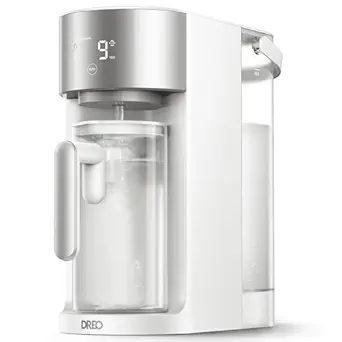 |
| Best Value The sweet spot between price and what you get | PUR 30-Cup Water Filter Dispenser |  |
| Best Budget The cheapest option that still gets the job done reliably | Waterdrop Lucid Pitcher WD-PT-07B |  |
| Top Rated A top-rated pick with lots of positive feedback | Purcooflow P3 Countertop RO |  |
| Most Popular A crowd favorite that many people choose with confidence | Brita Metro 6-Cup Pitcher |  |
| Best Seller A high-volume bestseller chosen again and again | ZeroWater 22-Cup Ready-Read Dispenser |  |
Brita Everyday 10-Cup Pitcher

| Capacity | 10 cups |
|---|---|
| Purification Method | Activated Carbon |
| Filter Life Cycle | 2 months |
| Supported Water TDS Level Maximum (PPM) | 1000 |
The Brita Everyday 10-cup pitcher is a fridge-friendly countertop pitcher that uses a BritaPlus high-density filter to reduce chlorine, mercury, cadmium, copper, zinc and other common contaminants while retaining beneficial minerals. It is typically used for daily drinking water in small households, dorm rooms, or kitchens where space is limited: fill through the easy-fill lid, let water pass through the activated carbon and ion-exchange media, and pour from the spout. The SmartLight filter indicator tracks the 40-gallon/approximately 2-month replacement cycle so you do not have to guess when to swap filters. Practical benefits include improved taste and fewer impurities compared with unfiltered tap water, lower single-use plastic waste because one filter replaces many bottles, and a compact shape that fits most refrigerator doors. Limitations are the need to replace the filter every ~2 months under average use and that the pitcher only holds about 10 cups, so it may require frequent refills for larger groups or heavy use.
Best for: Students or anyone in small living spaces who want reliably better-tasting tap water, minimal maintenance reminders, and a compact pitcher that fits in dorm fridges.
Less Ideal for: Large households, frequent entertainers, or users who prefer on-demand filtered water without periodic cartridge changes should consider larger dispensers or under-sink systems instead.
- High-density BritaPlus filter reduces a broad set of contaminants certified by WQA/NSF
- SmartLight indicator simplifies filter replacement timing
- Compact 10-cup design fits most fridge doors and countertop spaces
- Easy-fill lid and pour spout for straightforward daily use
- Requires filter replacements about every 40 gallons or roughly 2 months under average use
- 10-cup capacity may be small for groups or frequent entertaining
Verdict: A space-saving, easy-to-use pitcher with a higher-density BritaPlus filter and SmartLight reminder that makes better-tasting tap water convenient for dorms and small rooms.
DREO RO Countertop WF112

| Purification Method | Reverse Osmosis |
|---|---|
| Capacity | 3 liters |
| Pure to Drain Rate | 3:1 |
| Other Special Features | Built In TDS Meter, Change Filter Indicator, Touch Control |
The DREO WF112 is a compact countertop reverse osmosis purifier designed for small households or single users in tight spaces such as dorm rooms. It uses a 7-stage RO filter and reports real-time TDS for both feed and purified water, so you can monitor water quality and know when to change the cartridge. The unit includes an auto-fill 1.1L pitcher with a sensor for hands-free refills and a self-cleaning flush that cycles internal tubing to limit buildup. Practical benefits here are reliable RO-level contaminant removal, a small footprint that fits on counters or desks, and filter-change indicators that simplify maintenance. On the downside the RO process produces a 3:1 drain stream so it wastes more water than non-RO pitchers and the built-in tank capacity is best for one to two people rather than larger groups. Setup is installation-free, but replacement filters are required on a regular schedule to maintain performance.
Best for: Students or single occupants who prioritize laboratory-level contaminant removal and want a compact, monitorable RO system for a small space.
Less Ideal for: People with very limited water access or shared suites who need higher daily filtered volume or want to minimize water waste should consider alternative filtration types.
- 7-stage RO filtration with SGS-tested impurity removal for high contaminant reduction
- Built-in TDS meter and filter-life indicator for convenient water quality monitoring
- Auto-fill pitcher and self-cleaning flush reduce hands-on maintenance
- Compact countertop design that fits small spaces like dorm rooms
- Produces wastewater at a 3:1 pure-to-drain ratio compared with some non-RO options
- Limited tank and pitcher capacity is best for one to two users
Verdict: For dorm residents who want true RO-level purification in a compact, easy-to-monitor countertop unit, the DREO WF112 delivers measurable water quality and low-maintenance operation.
PUR 30-Cup Water Filter Dispenser

| Capacity | 7.09 liters |
|---|---|
| Filter Life Cycle | 2 months / 40 gallons |
| Purification Method | Ion Exchange |
| Supported Water TDS Level Maximum (PPM) | 500 |
The PUR 30-Cup Water Filter Dispenser is a slim countertop pitcher-style dispenser designed to sit in a dorm fridge or on a compact counter and store up to 30 cups of filtered water. It uses a Genuine PUR filter that the company certifies for up to 40 gallons or about two months of typical use and employs ion exchange media to reduce chlorine, mercury, copper, zinc and other substances that affect taste and odor. Practical touches include a pull-down spout so you can pour while the unit is still filtering, a carrying handle for easy refills, LockFit to secure the filter, and dishwasher-safe components for easy cleaning. The dispenser is intended for manual, nonpowered operation so it is quiet and portable, but filtration speed and filter life depend on your tap water quality and usage. It is a space-saving option for small shared living spaces and helps cut bottled-water waste, but you will need to replace filters every couple of months and plan for the recurring cost and disposal of used cartridges.
Best for: Students or compact-living occupants who prioritize a low-maintenance, space-saving way to get better-tasting tap water and want a straightforward system that fits a dorm fridge.
Less Ideal for: Households that need instant high-volume dispensing or those wanting filtration of microbes should look at powered point-of-use systems or certified microbial filters.
- Holds up to 30 cups so you can store enough chilled water for a dorm roommate or two
- Genuine PUR filter certified to reduce chlorine and several heavy metals for noticeably improved taste
- Pull-down spout lets you dispense while the cartridge finishes filtering
- Dishwasher-safe components and a carrying handle make refilling and cleaning simple
- Filter needs replacement roughly every two months which adds ongoing cost
- Manual filtration speed can be slower than powered dispensers under high demand
Verdict: A compact, easy-to-clean countertop dispenser that gives dorm residents noticeably better-tasting tap water with Genuine PUR filtration and simple manual operation.
Waterdrop Lucid Pitcher WD-PT-07B

| Capacity | 2.4 liters |
|---|---|
| Filter Life Cycle | 200 gallons / 3 months |
| Purification Method | Activated Carbon |
| Maximum Flow Rate | 0.5 gpm |
The Waterdrop Lucid Pitcher is a compact 10-cup pitcher that uses a 5-stage activated carbon/ACF filter to improve taste and reduce chlorine, PFOA/PFOS, and various metal ions. It is designed for daily countertop or refrigerator use and includes a hands-free lid for easy pouring and an LED indicator that tracks filter life. The filter is rated for about 200 gallons or roughly three months, which stretches replacement intervals compared with many basic pitchers and suits light household or dorm-room consumption. Because it is non-electric and slim enough to fit most fridge doors, it is convenient for small spaces and students who want better-tasting water without installation. Limitations include no TDS reduction if you need mineral removal and the replacement filter model must be matched precisely when buying replacements. The pitcher is overall practical and low-effort for anyone looking to upgrade tap water in a small living space.
Best for: Students or anyone living in tight quarters who want a low-maintenance, non-electric pitcher that improves taste and stretches filter change intervals.
Less Ideal for: People who need heavy contaminant removal or lower TDS water for appliances or specific health needs should choose a different filtration method.
- Slim refrigerator-friendly shape fits small spaces
- LED indicator for easy filter-life monitoring
- Long-life filter rated ~200 gallons/3 months
- Hands-free lid reduces dust and makes pouring simple
- Does not lower total dissolved solids (TDS)
- Replacement filters must match the specified model
Verdict: A space-saving, easy-to-use pitcher that delivers noticeably better-tasting water with a longer filter life, making it a smart dorm-room upgrade.
Purcooflow P3 Countertop RO

| Purification Method | Reverse Osmosis |
|---|---|
| Power Source | Corded Electric |
| Filter Life Cycle | 6 months |
| Supported Water TDS Level Maximum (PPM) | 500 |
| Capacity | 528 gallons |
The Purcooflow P3 is a plug-and-play countertop RO system designed to deliver near-bottled quality water without any plumbing work. You fill the feed tank, plug the unit in, and it automatically filters water into a detachable pitcher until full, which makes it simple to use in small spaces. The system uses a dual carbon plus RO composite arrangement that the manufacturer describes as 4-in-2 filtration with a final carbon polish for improved taste, and SGS testing is cited to back its contaminant removal. Practical benefits include a compact footprint and a 3.5:1 pure-to-drain ratio that wastes much less water than typical RO units, plus a smart indicator and twist-and-pull filter changes for low-effort maintenance. Limitations to consider are the need for a power outlet and the recommendation to use municipal water under 500 ppm TDS rather than untreated well water, and the feed/pitcher capacity is modest so it suits small households or individual use rather than heavy daily filling for large groups.
Best for: Someone living in a dorm, rental, or small apartment who needs a reliable, low-maintenance source of high-quality drinking water without installing plumbing.
Less Ideal for: Large households or users who need high daily volumes of purified water or those relying on untreated well water without prefiltration.
- Plug-and-play countertop design requires no plumbing or tools
- Efficient 3.5:1 pure-to-drain ratio reduces water waste
- Auto-fill dispensing and detachable pitcher for convenient daily use
- SGS-verified filtration performance and multi-stage RO plus carbon polishing
- Twist-and-pull filter replacements and built-in indicator simplify maintenance
- Requires a power outlet to operate
- Not recommended for use with untreated well water above 500 ppm TDS
- Small feed tank and pitcher limit output for large households
Verdict: A compact, maintenance-light countertop RO system that delivers lab-backed purification and low water waste, ideal for dorms and small rentals where plumbing is not an option.
Brita Metro 6-Cup Pitcher

| Filter Life Cycle | 2 months |
|---|---|
| Maximum Flow Rate | 9.7 milliliters_per_second |
| Supported Water TDS Level Maximum (PPM) | 500 |
| Upper Temperature Rating | 85 °F |
| Power Source | No Power Source |
The Brita Metro 6-cup pitcher is a small, fridge-friendly filtered water pitcher aimed at everyday tap water improvement. It uses a Standard Brita filter that the SmartLight indicator times to about 40 gallons or two months before replacement, and the filter technology combines carbon and ion-exchange media to target chlorine taste and several heavy metals. Fill-through lid design and slim profile make it easy to refill and store in most mini-fridges or dorm-room fridges, and one included filter can replace hundreds of single-use bottles, lowering waste and running cost versus bottled water. The pitcher requires no power and is straightforward to use: rinse, insert the filter, fill the reservoir and pour. Limitations are its small 6-cup capacity, which means frequent refills for multiple people, and the pitcher is plastic rather than glass which some buyers may prefer to avoid.
Best for: Students or single occupants who want an easy, space-saving way to improve tap water taste in a dorm or small fridge with a low-maintenance filter system.
Less Ideal for: Large households or anyone who prefers a higher-capacity or countertop filtration system that serves multiple people without frequent refilling.
- Compact, fridge-door friendly shape fits mini-fridges and dorm fridges
- SmartLight indicator notifies when the Standard filter needs replacement
- WQA/NSF/ANSI certified reductions for chlorine taste and select heavy metals
- Includes one Standard filter that replaces up to 300 single-use 16.9 oz bottles
- Only 6-cup capacity requires frequent refills for more than one person
- Pitcher is plastic rather than glass, which some users may prefer to avoid
Verdict: A compact, certified pitcher filter that fits dorm fridges and reliably improves tap water taste with low upkeep.
ZeroWater 22-Cup Ready-Read Dispenser

| Capacity | 5.2 liters |
|---|---|
| Purification Method | Ion Exchange |
| Supported Water TDS Level Maximum (PPM) | 1 |
| Included Components | 22-Cup Dispenser, 5-Stage Filter, TDS Meter |
The ZeroWater 22-Cup Ready-Read dispenser is a countertop pitcher-style dispenser that uses a 5-stage ion exchange filter to remove virtually all total dissolved solids and reduce contaminants like lead, chromium, mercury, and PFOA/PFOS. It is typically filled from the tap and stored on a dorm-room counter or mini-fridge, then dispensed through a spigot for drinking or cooking. The built-in TDS meter gives a quick readout so you can monitor when the filter needs replacing, and the included filter and meter mean you can start using it right away. The dispenser is BPA-free and designed for frequent small refills, and its 22-cup capacity suits a few people sharing a room without constant refills. Limitations include needing occasional filter replacements and the need to follow the meter reading to maintain low TDS; it is not a point-of-use plumbed system and requires countertop space.
Best for: Students who want a reliable countertop filter that provides measurable purification and fewer refills for a small shared living space.
Less Ideal for: Those needing a plumbed-in or instant hot/cold dispenser or people with extremely limited counter space should consider other solutions.
- 5-stage ion exchange filtration certified to reduce lead, PFOA/PFOS, chromium, and mercury
- Integrated TDS meter included to monitor dissolved solids and indicate filter replacement
- 22-cup capacity fits shared dorm use and reduces refilling frequency
- BPA-free plastic construction and ergonomic handle for easy pouring and handling
- Requires periodic replacement filters which add ongoing cost
- Countertop footprint may be large for very small dorm rooms
Verdict: If you want a straightforward, certified countertop filter for dorm living that gives measurable TDS readings and removes heavy metals and PFOA/PFOS, this dispenser is a dependable choice.
Choosing the Right Water Filter for Dorm Rooms: Key Factors to Consider
Filtration Performance and Tested Contaminants
Dorm water quality varies by campus and building, so understanding which contaminants a filter actually reduces is critical. Look for systems that list specific targets such as chlorine taste and odor, sediment, lead, or common disinfectant byproducts. Certifications or lab test results provide objective evidence of performance and help you compare how well different filters handle contaminants common to municipal supplies.
Filtration media matters: activated carbon is common for taste and odor, while composite cartridges or reverse osmosis address a broader range of dissolved solids. Choose a level of filtration that matches your concerns without overcomplicating installation or maintenance.
Installation Constraints in Dorm Rooms
Many dorms prohibit permanent plumbing changes and tight cabinet workspaces limit under-sink installations. Prioritize filters that require zero or minimal tools and that can be set up without altering existing plumbing. Faucet-mounted filters, pitcher-style filters, and standalone countertop units are generally campus-friendly because they do not need hard piping or invasive mounting.
Also check whether a unit needs access to a cold-water line, a dedicated drain, or extra clearance. If you plan to move between dorms or apartment-style housing, portability and quick disassembly will matter more than permanent fixtures.
Physical Size and Storage Needs
Dorm rooms have limited counter and storage space, so the filter footprint is a major decision factor. Pitchers stack easily in a mini fridge or shelf when empty, while countertop dispensers require cleared surface area. Some compact counter filters offer foldable or detachable parts for storage.
Consider where you will refill and where you will store replacement filters. Bulky filter housings or large reservoirs can be impractical in a shared kitchenette or small desk area.
Filter Life and Ongoing Maintenance
Replacement frequency affects both cost and convenience. Short-lived cartridges that require monthly swaps increase the chance of lapses in maintenance, while longer-life filters reduce hassle. Check the rated gallons or months per cartridge and whether replacement filters are widely available.
Maintenance also includes simple tasks like periodic cleaning of housings or descaling. Choose systems with clear, tool-free cartridge changes and visible indicators for end-of-life to avoid using a depleted filter.
Dispensing Method and Daily Convenience
How water is accessed will impact your daily routine. Pitcher filters are convenient for drinking and small-batch cooking but require frequent refills. Faucet-mounted units provide on-demand filtered tap water but can obstruct sink use or not fit all faucet types. Countertop dispensers with taps combine larger capacity with easy pouring but take up more surface area.
Consider whether you prefer a chilled reservoir, a quick-pour spout, or a system that fills bottles easily for campus activities.
Portability and Move-In/Move-Out Practicalities
Students frequently change rooms or housing types, so portability and the ability to pack a system safely are important. Lightweight materials, detachable parts, and minimal plumbing connections simplify moving. Also consider the time required to set up in a new sink or shared kitchen.
Look for units designed to travel or that disassemble into compact pieces. Durable construction reduces the chance of damage during relocation.
Common Dorm Installations and Which Filters Fit
Dorm sinks, shared kitchenettes, and micro-kitchens create a small set of installation realities. Faucet-mounted filters fit many standard spouts but can be incompatible with pull-out or nonstandard faucets. Pitcher-style filters are universally compatible and require only countertop space and occasional refills. Countertop cartridge systems and small gravity-fed dispensers offer higher capacity but need a dedicated surface.
Before buying, inspect the sink and faucet at your dorm. Measure clearance, note whether the faucet head is removable, and check for shared drainage rules. This quick audit will help you select a filter form factor that works without modifications.
- Faucet-mounted units: fast access, potential fit issues with specialty faucets
- Pitchers: universal compatibility, limited capacity
- Countertop dispensers: larger reservoirs, take up counter space
- Under-sink options: higher capacity and performance but usually not allowed in many dorms
How to Evaluate Replacement Filter Availability
Replacement filters are a recurring expense and determine long-term convenience. Check whether cartridges are sold through multiple retailers and whether they have clear, stable part numbers. Units with proprietary, hard-to-find replacements increase the risk of temporary downtime if a cartridge is unavailable.
Also verify whether replacements are simple to install and clearly labeled with replacement intervals. Consider keeping an extra cartridge on hand if you rely on a single filter for daily drinking water.
- Look for widely available part numbers
- Confirm installation is tool-free
- Check estimated gallons per cartridge and typical months of use
Cleaning and Hygiene Tips for Shared Living
Filters and housings can accumulate biofilm or sediment if neglected. Regular cleaning of reservoirs, lids, and spouts prevents odors and maintains flow. Use manufacturer-recommended cleaning methods or mild soap and water; avoid harsh chemicals that might damage filter seals.
If multiple roommates will use the same system, set a simple cleaning schedule and designate responsibilities. Rinse new cartridges before first use when instructed and allow parts to air dry completely before reassembly to reduce bacterial growth.
- Rinse new cartridges as directed
- Wipe reservoir and spout weekly
- Air-dry components between uses to reduce microbial buildup
Maximizing Filter Life and Performance
To get the rated life from a cartridge, avoid letting the filter run dry for extended periods and keep the reservoir covered to limit airborne contamination. In warmer climates or during summer months, consider more frequent swaps if water quality or usage increases.
Store spare cartridges in a cool, dry place and follow recommended replacement schedules. Monitoring flow rate and taste are simple ways to detect when a cartridge is nearing end of life: reduced flow or off-flavors usually indicate replacement time.
- Keep reservoirs covered to reduce contamination
- Monitor flow and taste for signs of cartridge wear
- Store spares properly to preserve effectiveness
Eco Considerations and Waste Reduction
Filter cartridges create plastic waste, so consider systems with recyclable parts or those participating in take-back programs. Some filters use replaceable media inserts rather than full plastic housings, which reduces waste. Reusable bottles and large-capacity dispensers also lower single-use plastic reliance.
Balance environmental priorities with practical dorm constraints. A slightly larger unit with longer-lasting cartridges can produce less waste than frequent small replacements.
- Check for recyclable cartridges or take-back programs
- Favor longer-life cartridges to reduce plastic waste
- Use refillable bottles with filtered water to limit disposables
How We Chose the Best Water Filter for Dorm Rooms
We shortlisted filters that balance effective contaminant reduction with dorm-friendly form factors and straightforward installation. Filters were evaluated on measurable filtration capability for common municipal contaminants, physical footprint and portability for small living spaces, and the simplicity of installation or setup given typical dorm plumbing constraints. Maintenance factors such as filter life, replacement frequency, and clear user instructions were weighted because students often prefer low-upkeep solutions. We also considered dispensing options and how they affect daily convenience, including gravity pitchers, countertop units, faucet-mounted filters, and under-sink-style cartridges where installation is permitted. Products were excluded if they required permanent plumbing modifications, professional installation, or unusually large footprints unsuited to shared rooms. We did not include items that lack clear replacement filter availability or systems with ambiguous performance claims. The final picks prioritize practical tradeoffs between contaminant removal, size, installation flexibility, and cost of ownership for dormitory living.
Our full evaluation process is outlined in our review methodology.
FAQ
Are pitcher filters good enough for dorm use?
Often yes. Pitcher filters are simple, require no installation, and improve taste and common contaminants. They have limited capacity, so they work best if you refill regularly and store filtered water in a fridge when possible.
Can I install an under-sink filter in a dorm?
Usually not without permission. Many dorms restrict permanent plumbing changes and under-sink work. If you have permission and the space, under-sink systems provide stronger filtration, but check housing rules first.
How often should I replace a dorm water filter cartridge?
It depends on usage and the cartridge rating. Manufacturers typically list replacement intervals in months or gallons. For dorm use, expect to replace cartridges more frequently if several people drink from the same system or if water contains higher sediment loads.
Will a faucet-mounted filter fit my dorm sink?
It depends on the faucet type. Standard fixed faucets are usually compatible, but pull-out sprayers, integrated filtration tap designs, and certain low-profile heads may not fit. Inspect the faucet or bring measurements before purchasing.
Do dorm filters remove lead or bacteria?
Some filters reduce lead and certain microbial contaminants, but capabilities vary. Look for specific testing or certifications that list lead reduction or microbial control. Not all common dorm-friendly filters handle both chemical and biological contaminants equally.
Final Verdict
When choosing a water filter for dorm rooms, prioritize installation compatibility, physical footprint, and realistic maintenance needs. Match filtration capability to your campus water concerns without overcomplicating setup or upkeep. Tradeoffs are inevitable: compact pitchers are easiest to use while countertop or faucet-mounted systems can offer more capacity or on-demand dispensing. Focus on filters with clear replacement schedules, easy cartridge changes, and a form factor that fits your sink and storage situation. Armed with those priorities, you can confidently select a dorm-friendly filter that delivers safer, better-tasting water daily.